Colin Sheridan: Europe is rehearsing a war it may not be facing
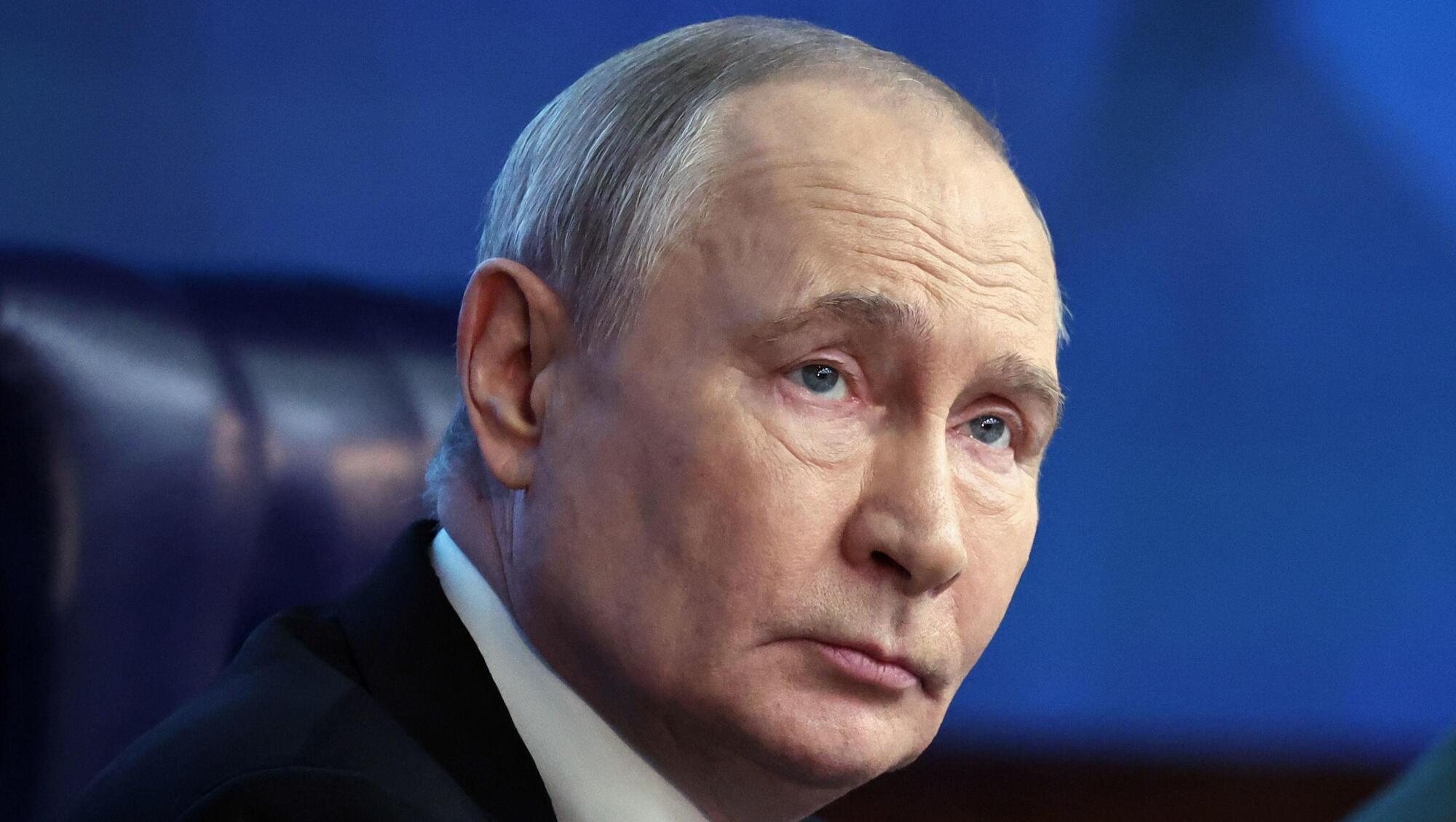
Russian president Vladimir Putin: Intelligence officials in frontline states such as Estonia have said publicly that there is no evidence of imminent plans for a Russian attack on EU or Nato members. File picture: Alexander Kazakov/Sputnik, Kremlin Pool Photo/AP

There’s a particular tone that creeps into public life when a big idea takes hold — a mix of urgency and self-importance, the faint rattle of epaulettes, the conviction that anyone who asks for evidence is either naïve or suspect.
Ireland, usually allergic to martial melodrama, is starting to catch it. Across Europe, the “Russian threat” has hardened into something less like analysis and more like zeitgeist.
It generates warnings, panels, briefings, “resilience” campaigns, and that newest genre of public statement — the one that sounds as if it was written for a film trailer.
Intelligence officials in frontline states such as Estonia have said publicly that there is no evidence of imminent plans for a Russian attack on EU or Nato members.
The clearest warning sign is the use of children. When leaders invoke children — losing them, training them, hardening them — they are manufacturing consent.

CONNECT WITH US TODAY



Be the first to know the latest news and updates