Colin Sheridan: Harm caused by reality TV is increasingly hard to ignore
This entertainment model increasingly appears dependent upon emotional destabilisation, sexual exposure, and psychological risk
Colin Sheridan: Harm caused by reality TV is increasingly hard to ignore

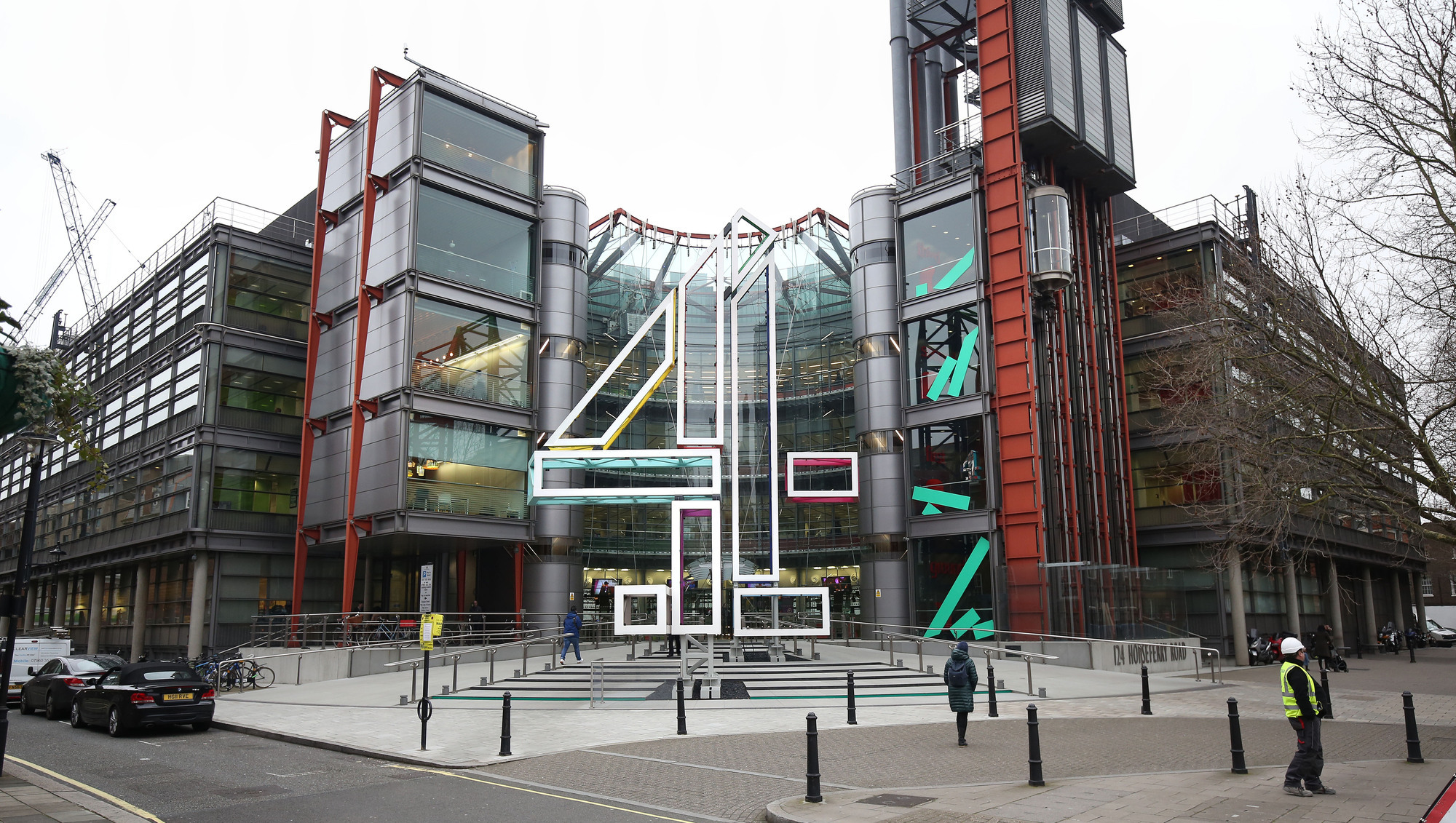
Channel 4 has removed previous seasons of ‘Married at First Sight UK’ from its streaming platforms while reviews and investigations continue. File picture: PA

There are few more humiliating sentences a grown man can write in a national newspaper than this: I have watched an irresponsible amount of reality television. Not anthropologically. Not in the way people claim to watch it “ironically”, as though they are conducting a doctoral thesis on lip filler and attachment disorders. I mean properly watched it.

Entire lost weekends surrendered to The Bachelor. Grim winter evenings dissolved into the lacquered emotional warfare of Made in Chelsea.

Why? I mean, I own Chekhov novels. I’ve even read some. It’s just that reality television is modern comfort food. It requires almost nothing from us except consciousness and, increasingly, not even full consciousness. And yet, for some time now something about the whole enterprise has started to feel less harmless.

The recent controversy surrounding Married at First Sight UK exposes a truth we always suspected. The show involves relationship “experts” pairing complete strangers who then meet for the first time at the altar before embarking upon an accelerated public emotional breakdown over several weeks of dinner parties, partner-swapping tensions, and increasingly alarming quantities of prosecco.

Even by reality television standards, it is a concept that feels less like matchmaking and more like a psychological stress test commissioned by a streaming platform.

But the allegations now surrounding the programme are profoundly serious. Reports emerging through BBC Panorama and subsequent coverage have included allegations of rape, sexual assault, and coercive behaviour involving contestants during filming, alongside claims that producers and broadcasters failed adequately to protect vulnerable participants. The allegations are disputed by those accused, but the scale of the fallout has already been extraordinary: Channel 4 has removed previous seasons of the programme from its streaming platforms while reviews and investigations continue.

At that point, we are no longer discussing “guilty pleasures” in the ordinary sense. We are discussing an entertainment model that increasingly appears dependent upon emotional destabilisation, sexual exposure, and psychological risk.

Reality television has always defended itself with the same shrug. Nobody is forced to go on these programmes. Contestants know what they are signing up for. Viewers understand it is edited.

But this defence feels thinner with every passing scandal. Over the years, the genre has accumulated a body count of controversies that no serious industry should really survive.

Trauma and exploitation

Big Brother turned public humiliation into family entertainment. Love Island forced profoundly uncomfortable conversations around contestant welfare and mental health after several former participants died by suicide. The Jeremy Kyle Show effectively built an entire business model around exposing vulnerable people to maximum emotional distress before eventually collapsing under the weight of its own cruelty.

And still we watch. That is the uncomfortable part. Not merely that producers exploit people, but that millions of us continue to consume the results while pretending the moral responsibility lies entirely elsewhere. Reality television has become the ethical equivalent of ordering a battery-farmed chicken while posting passionately about animal welfare.

Part of its appeal, of course, is that these programmes offer something increasingly absent from ordinary life: certainty. They provide heroes, villains, betrayals and redemptions in neat episodic arcs. Fiction used to perform this role, but fiction asks more of us. It requires imagination. Patience. Interpretation. Reality television asks only judgement. And this we give with abandon.

This may be one of the strangest cultural shifts of the last twenty years. We once escaped into stories shaped by novelists, playwrights, and screenwriters. Now we escape into surveillance. We no longer want layered characters, but access. We want confession. We watch strangers unravel in high definition while amateur

psychologists on TikTok diagnose them with narcissism before the ad break.

Reality television has not merely replaced drama. In many ways, it has flattened our appetite for imagination itself.

Why sit through a carefully written film about loneliness or heartbreak when you can watch two emotionally unstable semi-influencers scream at one another beside a prosecco fountain? Why engage with ambiguity when algorithms have discovered that outrage and humiliation perform far better?

The most unsettling part is that the genre increasingly rewards the very worst instincts in both producers and audiences. Contestants are selected not because they are interesting, but because they are combustible. Emotional instability becomes content. Sexual vulnerability becomes branding. Trauma becomes storyline.

And the rest of us sit on the sofa pretending this is all harmless fun because someone occasionally says the word “journey”.

There is, perhaps, one small mercy in all this. Ireland has largely resisted producing industrial quantities of reality television ourselves. Like the navvies and tattyhokers of yesteryear, we have certainly exported enough reality stars to keep the British ecosystem functioning. The nation has contributed its fair share of contestants, influencers, villa residents, and professionally tanned heartbreak specialists.

But compared with Britain or America, we have never entirely surrendered to the form.

Maybe this is because Ireland remains, at heart, a country deeply uncomfortable with exhibitionism. We are still a nation where people apologise after receiving compliments. The idea of publicly discussing your emotional intimacy issues beside a hot tub while drones film overhead feels instinctively unnatural to most Irish people over the age of 35.

Or perhaps we simply know our neighbours too well. Reality television depends upon a certain willingness to become spectacle. Ireland, for all its faults, still retains enough parish-level social terror to make many people think twice before publicly humiliating themselves on a Wednesday night.

And yet even here, the culture is beginning to seep in around the edges. The latest example arrived this week when Galway footballer Seán Fitzgerald stepped away from the county panel amid widespread reports linking him with Love Island. There was something oddly symbolic about the entire episode. The GAA has long represented one of the few remaining corners of Irish life still nominally protected from the logic of personal branding and influencer celebrity. It is built, at least in theory, upon locality, amateurism, and collective identity.

Now even inter-county footballers are being pulled towards the gravitational force of villa fame, sponsored teeth whitening, and Instagram discount codes.

Galway footballer Seán Fitzgerald stepped away from the county panel amid widespread reports linking him with 'Love Island'. File picture: Piaras Ó Mídheach/Sportsfile

Fitzgearld is showing some stones in pursuing his reality TV dream, aware as he must be, of the vitriolic backlash to his choices. A month in Mallorca probably sounds considerably more appealing than fielding high balls in sideways Connacht rain. But there is still something faintly dystopian about the idea that one of the country’s great amateur sporting traditions now sits on the same cultural conveyor belt as coupling ceremonies in a hot tub.

Perhaps every institution eventually becomes content.

The obvious counterargument is that people have always enjoyed spectacle. The Romans had gladiators. The French, the guillotine. Perhaps every age gets the entertainment it deserves.

And still, I cannot entirely disown my affection for the genre. There remains something hypnotic about it. After a long day, the brain often prefers low-stakes emotional chaos to subtitled Scandinavian cinema about grief.

I understand this intimately. I have willingly consumed enough reality television to qualify for psychological monitoring myself.

But maybe the latest scandals around Married at First Sight UK represent a tipping point, or at least a moment of moral hesitation. A moment where the phrase “guilty pleasure” begins placing slightly too much emphasis on the pleasure and not quite enough on the guilt.

Because there comes a stage where the defence that “it’s only entertainment” starts to sound less convincing when actual human beings are being emotionally flayed for content.

Reality television’s great trick was convincing us that authenticity is automatically virtuous.

But there is nothing noble about turning vulnerable people into consumable spectacle. Sometimes a camera does not reveal truth. Sometimes it simply records exploitation with a ring light.

More in this section

Revoiced

Newsletter

Had a busy week? Sign up for some of the best reads from the week gone by. Selected just for you.

Cookie Policy Privacy Policy Brand Safety FAQ Help Contact Us Terms and Conditions

© Examiner Echo Group Limited