David O'Mahony: How the Irish landscape has been the backdrop for the supernatural
A significant part of our historical landscape — dolmens, cairns, portal tombs — is associated with the dead, and just as importantly with how they dwell alongside us
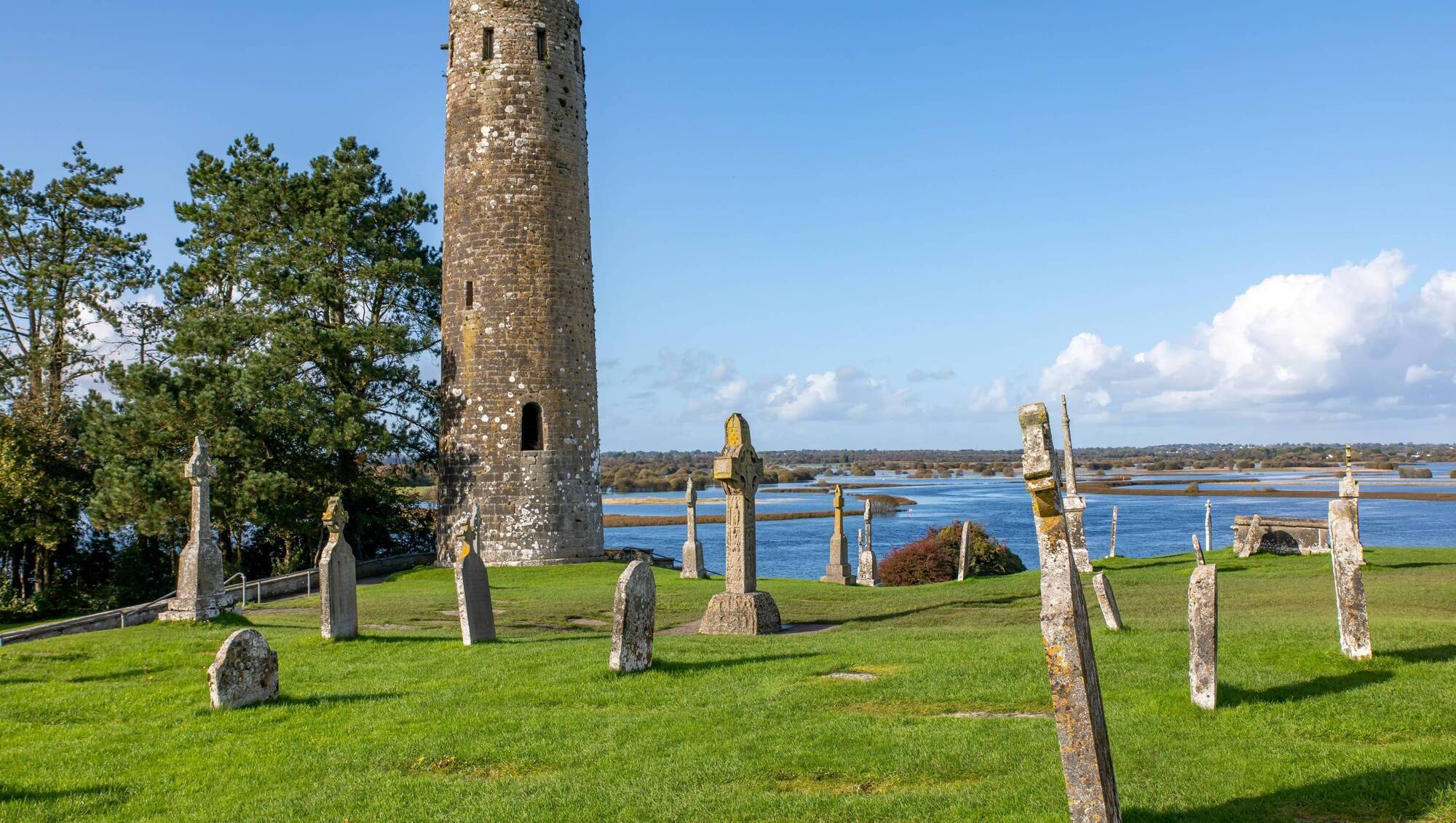
David O'Mahony's son did not want to get out of the car on a family visit to Clonmacnoise, declaring it 'haunted'

David O'Mahony's son did not want to get out of the car on a family visit to Clonmacnoise, declaring it 'haunted'

Ireland is often labelled the isle of saints and scholars, but I tend to think we’re missing an S: The supernatural. Many of our finest stories — mythological and otherwise — feature the otherworld, magic, curses, or unearthly powers.

Or perhaps, given the time of year, we’re missing two S's, tucking Samhain in gently between “scholars” and “supernatural”, depending on your preference. ‘Tis the season, after all, when traditionally the barrier between worlds becomes gossamer thin, so much so that if you could only press in just the right way you might break through.

Medieval Irish legal and religious texts take it for granted the supernatural was real and occasionally harmful (unless a saint does it, then it’s sound out; women, regrettably, do not get the same status).

Although it would go the other way as well. Like Nietzche’s abyss, if you gaze long into it, it gazes into you. Imagine meditating out on a hillside on Halloween night only for Balor of the Evil Eye to wink at you from across the divide.

The idea of dressing up at Halloween, after all, comes from attempting to disguise oneself from spirits which may or may not be wandering the Earth at this time of year. 

The sidhe were for generations thought to be able to swing by and cause chaos, and at some point, perhaps because of it matching up with All Hallow’s Eve, the dead started to come along for the ride as well.

Although the dead are always with us in this country, which can be as good or bad as we want it to be, really. Maybe it’s a subconscious thing baked into our DNA. 

A couple of years ago, we went to visit the great monastic site at Clonmacnoise. One of my sons, who is autistic and sees the world a bit differently from neurotypicals, became quite upset and didn’t want to get out of the car. He hates speaking, so speech is sometimes reserved for urgent need — and eventually he told me: “It’s haunted”.

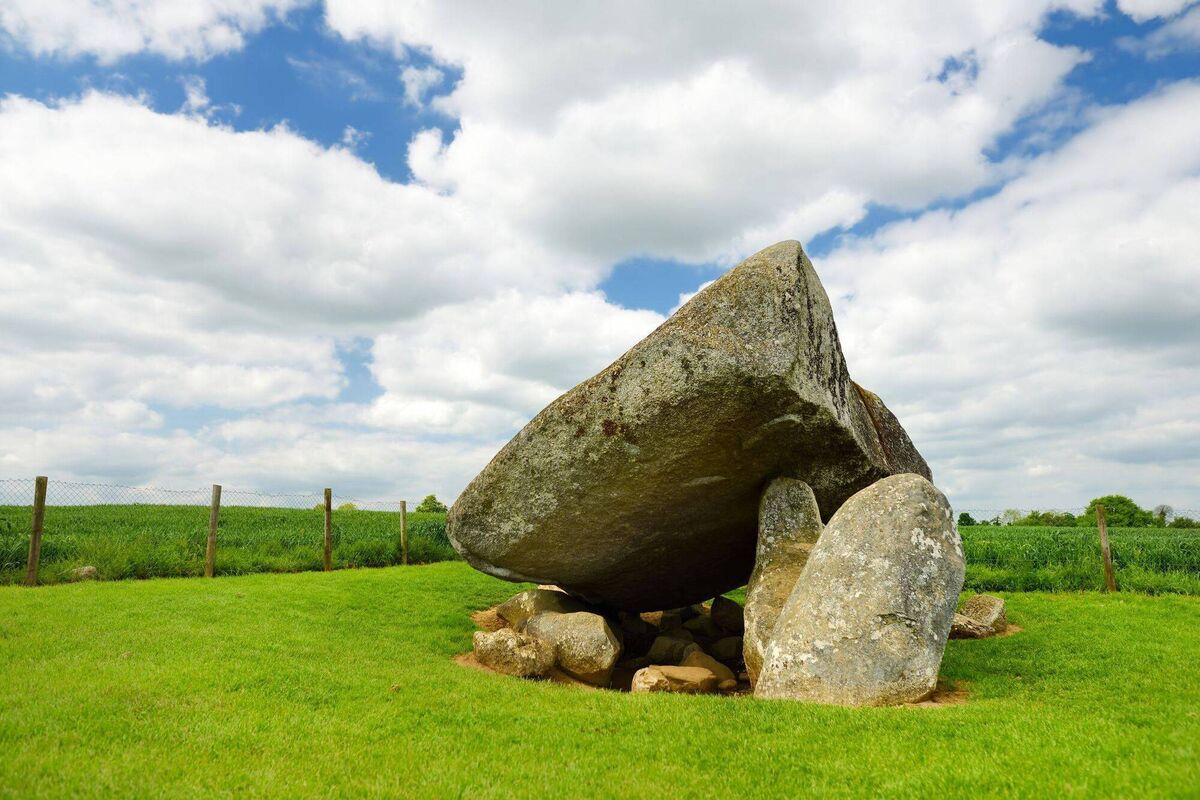
You can drive across swathes of the country, along the Wild Atlantic Way for instance, and see hundreds of dolmens, cairns, portal tombs, and other monuments to the dead. File picture

But then again, a significant part of our historical landscape is associated with the dead, and just as importantly with how they dwell alongside us.

I was asked recently why I thought Ireland was so conducive to gothic horror (Stoker, le Fanu, et al), and my answer really focused on the landscape — in most gothic texts, even in horror generally, the environment is very much a character in its own right.

In Ireland, the buried past is hiding in plain sight, even if we can sometimes know very little of those interred in their graves. You can drive across swathes of the country, along the Wild Atlantic Way for instance, and see hundreds of dolmens, cairns, portal tombs, and other monuments to the dead. 

Tradition taught some of these burial mounds were ways in and out of the otherworld, so there is a sort of natural inclination or heritage whereby something unearthly or unseen is, y’know, just over there. If you tripped over the wrong rock, maybe you’d fall in.

Actually, if somebody turned over the wrong rock you might be the subject of a curse, as I wrote about a couple of months ago; elements of the Irish landscape, and the places built into it, were for hundreds of years taken to be evidence of the supernatural.

Is it any wonder, then, that this country played such a profound role, through Joseph Sheridan le Fanu and others, in the development of the modern ghost story? And that’s not even factoring in vampires (also le Fanu, with Carmilla, about 25 years before Stoker wrote Dracula), werewolves (though, as Clodagh Finn noted recently, ours are friendly and speak Latin), and other things that go bump in the night?

Our countryside was, and is, awash with memories of supernatural folklore, even if some of them are sort of mangled to the extent we’ll never know what sort of exact stories our ancestors might have told on the dark nights of winter following Samhain.

Whether my great-great-great to the Nth grandparents, telling stories of Tír na nÓg and otherworldly places, ever thought they’d have a descendant like yours truly writing ghost stories about cemeteries and boglands is unclear.

Certainly they’d probably be somewhat alarmed that Halloween is one of my favourite times of the year, and that I’m not even scared by horror films (either something has gone very wrong in my psyche or very right — I’ll let you decide).

But landscape does shape even the stories I tell. One of my Halloween stories is about a man helping Famine ghosts in Skibbereen graveyard; others are inspired by the stories of will o’the wisps on the boggy ground and Stingy Jack, cursed to roam the Earth with his, er, jack o’lantern.

I’m not claiming to be the heirs to le Fanu and Stoker — or female gothic writers like Clotilde Graves and Dorothy Macardle — but maybe they’d see a little bit of them in my work. After all, I’ve grown up in the same land they did.

Happy Halloween, or happy Samhain if you prefer.

Stay spooky.

  • David O’Mahony is Irish Examiner assistant editor, a historian, and a writer

More in this section

Revoiced

Newsletter

Had a busy week? Sign up for some of the best reads from the week gone by. Selected just for you.

Cookie Policy Privacy Policy Brand Safety FAQ Help Contact Us Terms and Conditions

© Examiner Echo Group Limited