David O'Mahony: It is always people that make a story worth telling
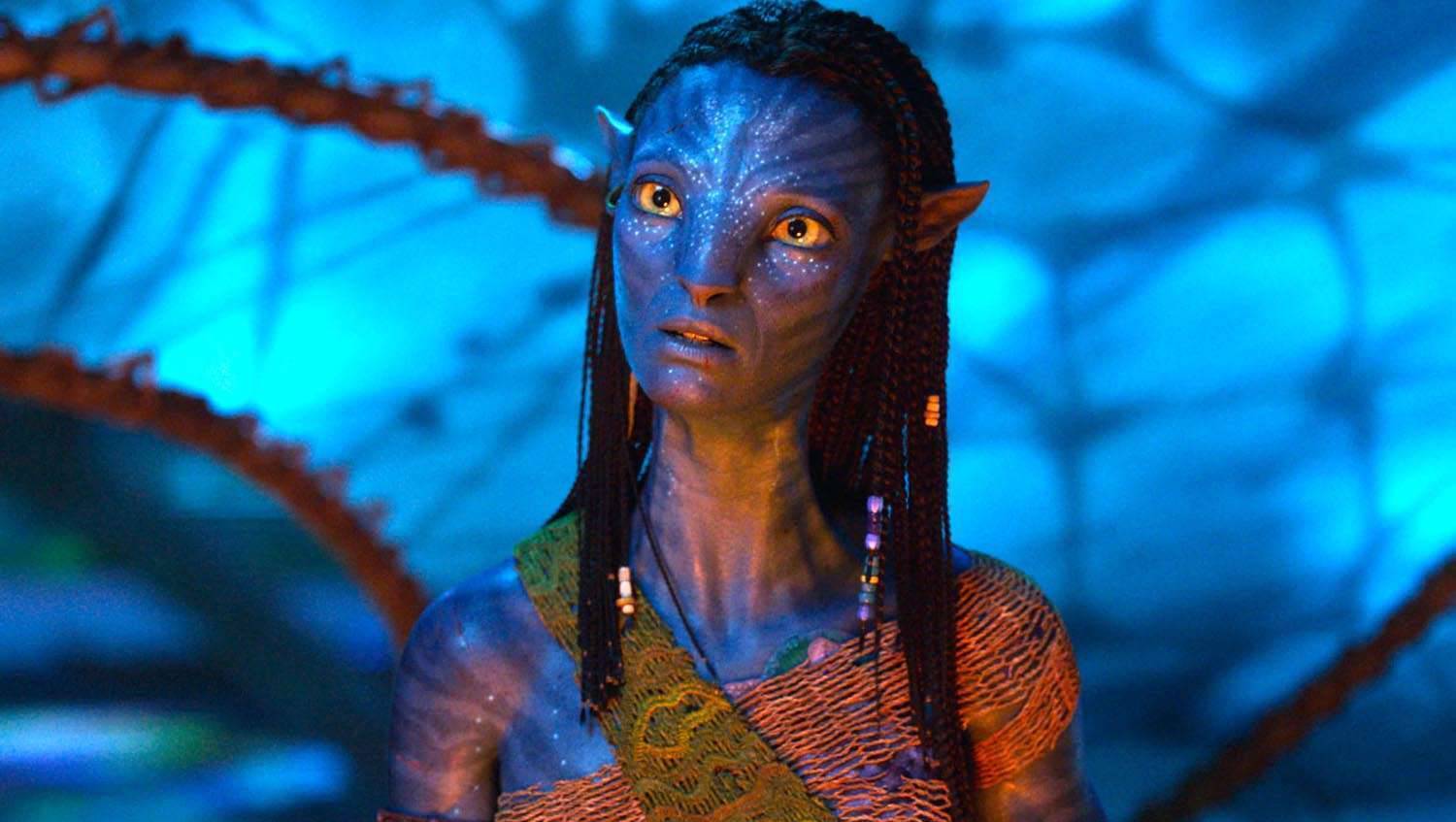
'Avatar: Fire & Ash', will be remembered for its technical brilliance rather than audience connection with its characters.

It's a hackneyed phrase in journalism that “news is people”. That doesn’t mean it’s wrong, though. It’s why we use case studies — often it’s a better way to tell a story than dealing with what a former editor of mine elsewhere used to call “the institutional stories”. Worthy ones that involve governments and politicians and businesses, but which can seem as remote without that human interest.
The same applies to literature and films, by the way. And maybe it’s in my head because we’re in spooky season, where horror films abound and a great number of those fall into the slasher genre, where (with notable exceptions like the first or even the original ) the focus is less on the characters and more on how badly they die.
Wait, come back, this column isn’t going to be a distillation of misery.
Rather, it’s a reminder and celebration of how putting people at the heart of a story can give those stories an enduring quality that might be lost otherwise — and in the age of AI, or SI, or WTF or however you want to describe it, that seems to be more important than ever.
The wider use of technology for filmmaking can allow for great spectacles, but without a lingering sense of achievement. The Avatar series, for all the money it’s made (it’s a lot) and all the technical skill it shows (award-winning skill), has made a relatively minor cultural impact. The storyline, for instance, is a bit simplistic; and while there’s nothing wrong with keeping things simple, in the long run you come back to , if you come back at all, because it is visually stupendous, not because you see yourself in the characters (or the opposite of yourself, in a villain).
Other filmmakers and writers do this quite well.
Mike Flanagan, whose adaptation of Stephen King’s is now streaming on Prime, is one of the best-known names in contemporary horror. But when it comes to actually writing his scripts and storylines, horror isn’t the focus. When working on his mini-series adaptation of Shirley Jackson’s , he said he focused on family drama first, horror second. He did something similar with , which ended up with a family tearing itself apart in every possible direction (and then being also torn apart by more supernatural elements).
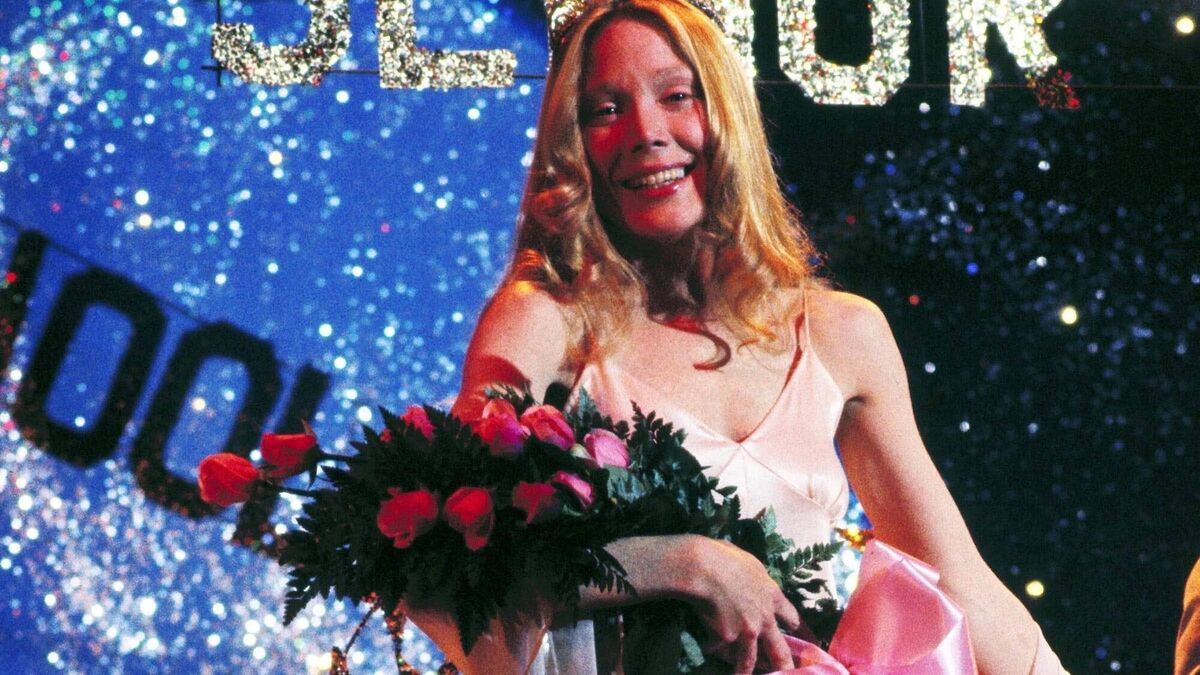
if you haven’t come across it before, is at its heart about the viciousness of bullying and domineering parents. They just happen, unbeknownst to them, to focus their hate on a girl who possesses psychic powers, to ruinous consequences.
It’s easily interpreted as a story about a bullying victim’s revenge, about a girl being pushed beyond her limits with catastrophic results. There’s a school of thought out there that you’re not supposed to be rooting for her, and it’s long enough ago since I read the book that I can’t remember if it’s written that way (I generally remember how books make me feel, rather than all of their details). But it says something about the subject matter that probably most readers, and indeed people who watched the 1970s film with Sissy Spacek as well as the current series, think she has a point. Maybe she took it too far, but a point nonetheless. Evidently, a good number of us feel hard done by in how we’ve been treated by our fellow human beings.
They are, after all, capable of worse acts than even a horror writer like yours truly could come up with.
Thankfully, people can do wonders as well as wickedness.
Read More
In the past few days I’ve managed to introduce two of my children to Peter Jackson’s Lord of the Rings films. Well, the first one at least.
Having not actually watched it myself in a few years, I had almost forgotten how much was packed into it (and this was the theatrical rather than extended version). But it’s 25 years old, and despite having made heavy use of CGI it holds up without seeming dated — apart from the lack of women, though that reflects the source material.
Much of the actual design, anyway, such as the flaming eye of Sauron, is down to Peter Jackson rather than Tolkien, who wrote a tale featuring an epic quest to defeat a Satan-like figure while absolutely grounding it in the relationships of the people he wrote about. Frodo and Sam have a deep, resolute friendship; Viggo Mortensen’s Aragorn remains an implacable example of positive masculinity, courage, and leadership through example; Boromir throws himself into a fight he cannot win both to atone for a moment of weakness but mostly because it was the right thing to do.
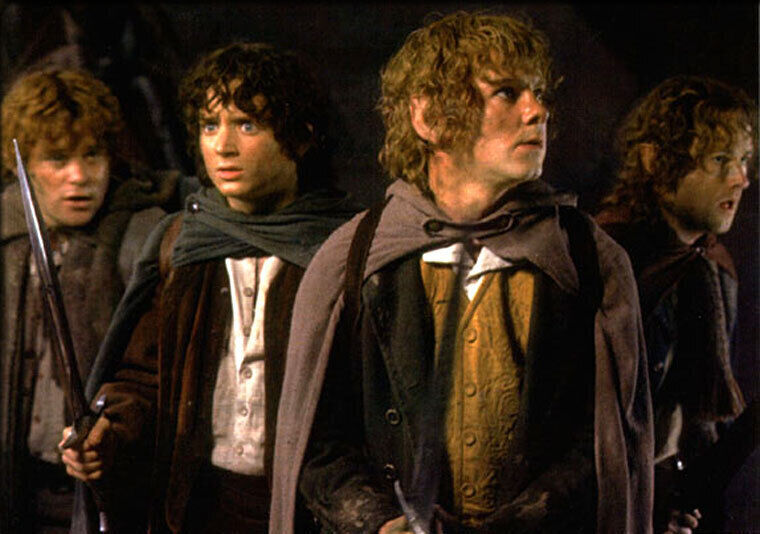
Daughter, at seven, wanted to know if had taken its ideas from the video game . It’s actually the opposite – the whole Elder Scrolls series owes some debt to Tolkien’s universe. But to be fair, if you didn’t know that already and were experiencing Middle Earth for the first time, it’s an easy comparison to make. I’m more interested, anyway, in not that she has a lightning grasp of how one work influences another, but that she looked at me with a very serious face to ask if the nine members of the fellowship of the ring were that number to be the opposite of the nine ring wraiths stalking said ring.
Although perhaps I shouldn’t be, given that when she and I last played Dungeons & Dragons, she managed to take a minor non-player character, arrested for attempted burglary, and come up with a whole series of unplanned tasks and jobs so that character could not only retrain – as a castle guard, no less – but get their old job back.
That’s the kind of thing you don’t get from overblown AI slop. Stories are people.
.

CONNECT WITH US TODAY



Be the first to know the latest news and updates