Terry Prone: Over-diagnosis more than a statistical reality in chronic illnesses
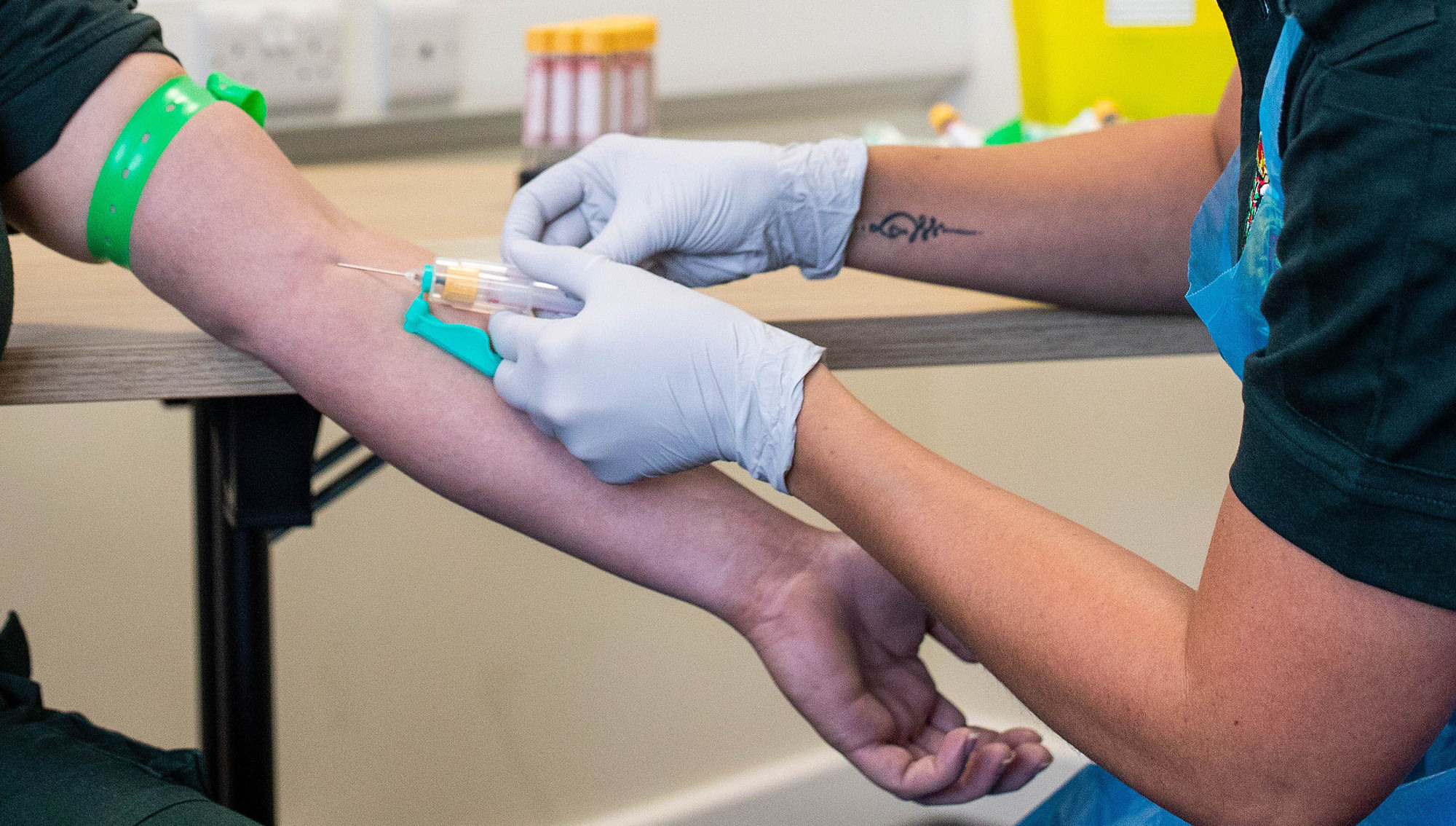
Understandably, more than 80% of those who have recently learned that they have a parent suffering from Huntington’s want the test. Picture: PA

Understandably, more than 80% of those who have recently learned that they have a parent suffering from Huntington’s want the test. Picture: PA

A beach book it isn’t. In my view, the best read of the summer is not wrapped around by a pastel drawing of Adirondack chairs bathed in sunlight. Instead, the cover shows one of those extra strong paper labels you get to wear like a bracelet to identify you and what ails you when you’re in hospital.

That’s by way of a clue to the fact that this book, The Age of Diagnosis by Dublin-born neurophysiologist Dr Suzanne O’Sullivan, is all about what ails you now, may ail you in the future, could put you off your oats, into hospital or, if you get seriously unlucky, kill you less pleasantly than you ever imagined.

Dr O’Sullivan is a doctor for 30 years. She studied in Trinity College Dublin before going off to England, where she has specialised in neurology for 25 years while also writing non-fiction medical books where the case studies are often drawn from her daily work.

What her most recent paperback makes fascinating is the fact that developments in medicine and changes in society have led to two rapidly increasing phenomena: Over-diagnosis and over-medicalisation.

Over-diagnosis is much more than a statistical reality. It can mean a correct diagnosis which is of no use to the patient and could screw with their life big time.

If you’re as unlucky as one 15-year-old, you could have a doctor spot your medical problem long before medical treatment is really required — and have their diagnosis confirmed by medical tests — so that this particular 15-year-old was handed the glad tidings that she was possessed of something called untreatable genetic spastic paraparesis long before she had a clue that there was anything wrong wrong with her.

That was life-changing, but not life-improving.

The way Dr O’Sullivan sees it, the phenomenon of over-diagnosis leads to frequent testing of people who have no symptoms without evidence that the tests are going to either prolong or improve their lives. Because we have collectively bought into the notion that early diagnosis puts the patient out ahead of the illness, we see few problems in frequent testing. Rather the reverse.

We are convinced that it is almost a guarantee of cure. Cancer is treatable and — more and more, these days — is turning into a chronic rather than an immediately fatal diagnosis. Hence our general approval of testing in order to spot cancers early in their progress.

Except that, as Dr O’Sullivan points out, spotting some cancers extra early isn’t necessarily a boon.

A 2023 American study, which looked at the diagnosis of breast cancer in women at different ages, worked out that 31% of the breast cancers diagnosed in women over 70 were over-diagnosed.

In other words, the women so diagnosed probably underwent frightening and uncomfortable treatments that may not have been needed to keep them alive.

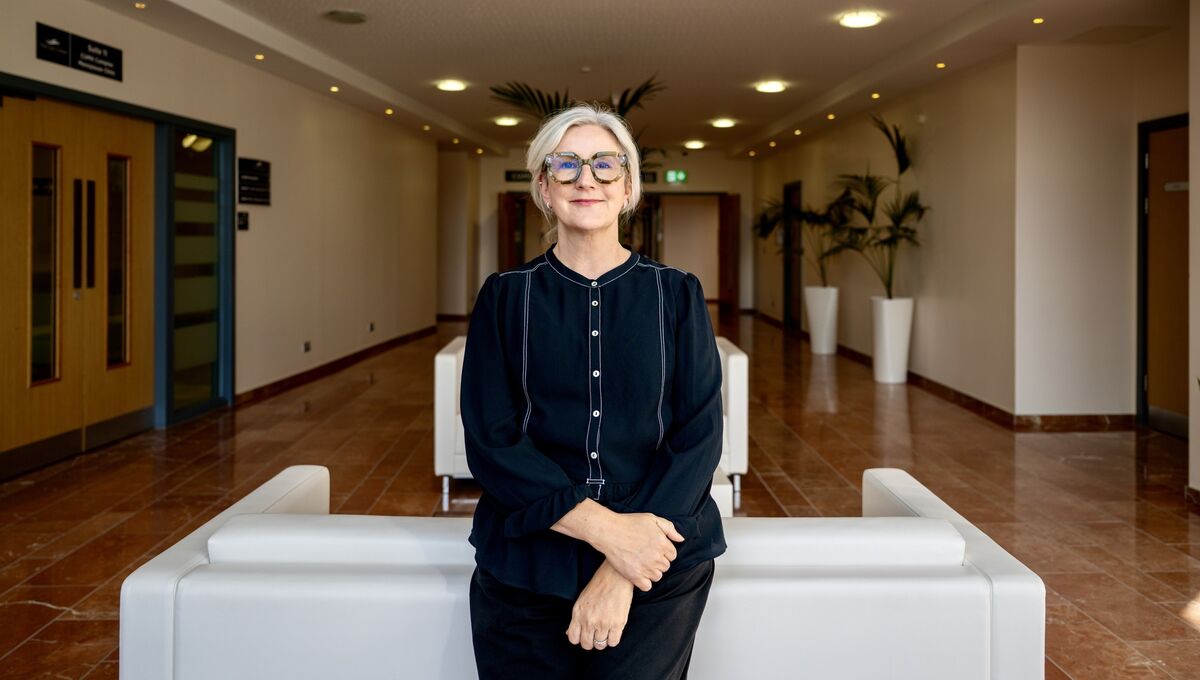
Dr Suzanne O'Sullivan considered if putting a label on a patient was always helpful, since it might help cause the 'nocebo' effect. Picture: Chani Anderson

And it’s not just women. Jeremy Clarkson is now beating the drum for screening to facilitate early detection of prostate cancer, but Dr O’Sullivan notes that, out of every 1,000 men screened, 20 end up being treated for cancers that would never have caused them a problem if the cancers had been left alone.

“This story is repeated worldwide for every type of cancer that is subject to screening,” she states.

“Cancer screening programmes save lives, but they also risk exposing people to unnecessary invasive medical treatment and to the psychological drawbacks of a cancer diagnosis.”

Dr O’Sullivan’s book doesn’t just look at cancer. It looks at a wide range of conditions and diseases.

One of them is Huntington’s — a brain cell disease which causes movement, mental health, and cognitive problems.

Huntington’s, sometimes called Huntington’s chorea, is inherited.

All the children of a sufferer may not develop it, and a test can distinguish between those who will face the certainty of, at some point in their lives, developing Huntington’s and those who won’t.

The younger generation of a Huntington’s family, in other words, can volunteer for a test that will reveal the truth and effectively confirm their fate.

But what about the diagnoses that have filled social and mainstream media for the last few years, often in the form of relieved, even thrilled, reactions to the diagnosis by the individual involved?

We have all read the accounts of people diagnosed with ADHD or autism for whom the diagnosis represents a gift of freedom to understand themselves in a new way.

Dr O’Sullivan, watching this explosion of diagnoses, began to wonder, first of all, if humans were “pathologising distress”: Making medical what is simply human.

Then she considered if putting a label on a patient was always helpful, since it might help cause the “nocebo” effect. This is the reverse of the placebo effect, where negative expectations of a treatment cause adverse effects.

Would patients be less keen to latch onto a label if they knew that a diagnosis can generate symptoms “even when there is little or no disease”?

It didn’t look like that back in the early 1980s, before the gene for Huntington’s was identified. Until it was, a predictive test couldn’t be developed. In the absence of such a test, surveys were conducted with the families of sufferers and, almost to a man and a woman, they confirmed that the minute such a test became available, they would line up to have it. Forty years later, when the test came onstream, that isn’t happening.

“Despite their original enthusiasm,” writes Dr O’Sullivan, “when faced with the reality of testing, around 90% of the people worldwide who go to a genetics clinic and are offered the test ultimately decide not to have it.

The uptake of testing among at-risk populations has been estimated to be as low as 5% in France, 9% in Greece, 15% in Australia, and 19% in Canada

That’s despite the good reasons for having such a test if the individual is in the at-risk group, not least of which is the decision to be made about having children who might, in turn, develop the condition.

Fertility treatments circumventing that possibility are increasingly possible. But even for individuals who do not plan to have children, knowing that they have the condition would allow them to plan for its future management.

Understandably, then, more than 80% of those who have recently learned that they have a parent suffering from Huntington’s want the test. According to one clinical geneticist quoted by Dr O’Sullivan, they turn up to her clinic convinced that having it is the right, even the inevitable, thing to do.

The vast majority, having considered that they would never be able to unlearn what the test would reveal, leave the clinic having reversed their decision.

Huntington’s is just one of six diagnoses examined by Dr O’Sullivan, together with the physical and psychological implications they carry. It is more impelling than any thriller.

  • The Age of Diagnosis by Suzanne O’Sullivan. Published by Hodder

More in this section

Revoiced

Newsletter

Had a busy week? Sign up for some of the best reads from the week gone by. Selected just for you.

Cookie Policy Privacy Policy Brand Safety FAQ Help Contact Us Terms and Conditions

© Examiner Echo Group Limited