Woman so ill she needed oxygen support urges people to give clinical trials a go
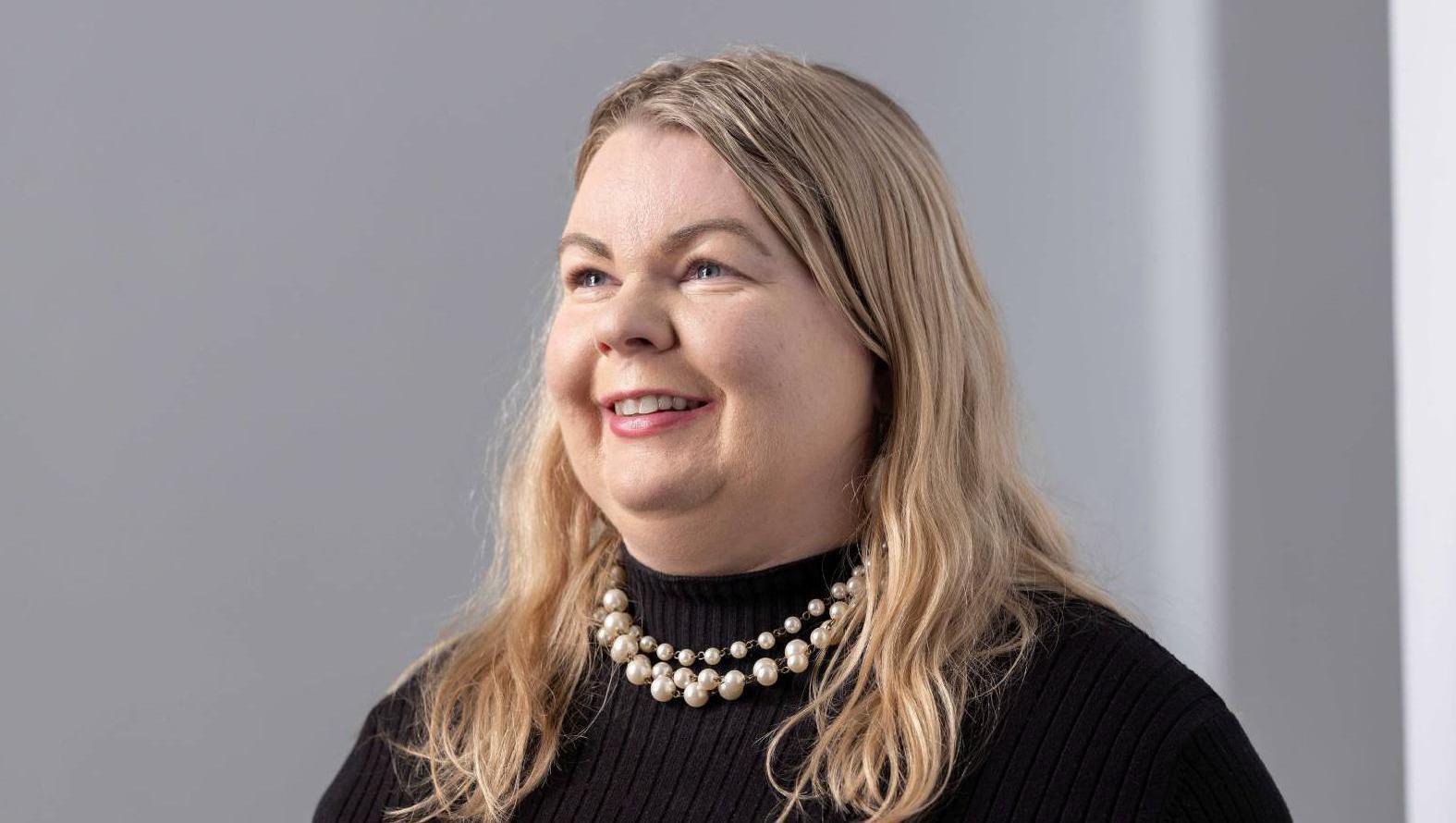
Linda Sheehan from Limerick benefited from a clinical trial for new medication.

Linda Sheehan from Limerick benefited from a clinical trial for new medication.

A Limerick woman who was so ill she needed oxygen support before going on a successful clinical trial has called on other patients to give them a go.

Linda Sheehan, now 41, had to use a wheelchair to visit Fota Wildlife Park and Dublin Zoo as her health deteriorated suddenly from 2022 onwards.

“When I was walking around, I needed oxygen,” she said.

Ms Sheehan suspected covid-19 when she first noticed she was becoming breathless.

"I kept getting chest infections that would clear with medication, but not for very long.” 

Tests later identified a rare lung disease called autoimmune pulmonary alveolar proteinosis (aPAP).

She was given the option to join a clinical trial at the University College Dublin Clinical Research Centre (CRC) instead of invasive treatment.

Having trained as a GP secretary before becoming ill, she felt no qualms about opting for the Impala 2 global clinical trial.

Linda Sheehan was so ill she needed oxygen support.

"Within six weeks, I could walk further. Now, I’m nearly a year and a half without oxygen," she said.

She urged other patients to consider trials for their illness, saying: “I would say give it a go. It made me go off oxygen. I have a new lease of life.

"I’m able to walk, I’m able to exercise, I’m able to shower.” 

The CRC just marked its 20th anniversary and is the largest academic clinical research centre in Ireland.

Its director, Professor Peter Doran, called for “continued investment” in research.

“Advances in genomics, cell and gene therapies, artificial intelligence, digital health technologies, and precision medicine are changing not only how we treat disease but how we understand health itself,” he said.

“The question is no longer whether these innovations will transform healthcare, but it is whether Ireland will be a leader in that transformation or merely a consumer of innovations developed elsewhere.” 

Professor Anna Olsson-Brown, professor of clinical trials at University College Cork (UCC) and Cork University Hospital (CUH), said more trials for cancer treatments will help develop better knowledge of potential side effects from life-saving immunotherapies.

“There is a real focus in CUH and UCC in bringing more clinical trials into the region and also to try and think about how we can support the national programmes as well.” 

Immunotherapy is a growing area of research for experts.

“This is a relatively new area in Ireland. There are pockets of [research], and I want to try and push that forward really so we can best optimise the benefits of immunotherapy,” said Ms Olsson-Brown.

“We want to introduce more immunotherapy into Ireland and allow people to have better access as time goes on... Most, if not all cancers, hide from the immune system. 

"It’s one of their mechanisms of protection and how they become established. If we could understand the ways that cancer can do that and try to reverse those evasive mechanisms, we would be able to target potentially every cancer.” 

Research on why some people respond well or not at all to immunotherapy is also expanding globally.

“Over the last three to five years, that’s been a real focus; how we can maximise immunotherapies for as many patients with as many types of cancer as possible,” she said.

Last November, Cancer Trials Ireland called for “increased investment” as an imperative, saying Ireland only had 1.1% open EU trials running at the time.

More in this section

Lunchtime News

Newsletter

Get a lunch briefing straight to your inbox at noon daily. Also be the first to know with our occasional Breaking News emails.

Cookie Policy Privacy Policy Brand Safety FAQ Help Contact Us Terms and Conditions

© Examiner Echo Group Limited