Michael Moynihan: Accessibility is possible in Cork City — just look at MacCurtain Street
After Make Way Day, I started looking at parking around the city differently. According to the Cork Access Group, it's lost 10 disabled parking spaces in the past few years
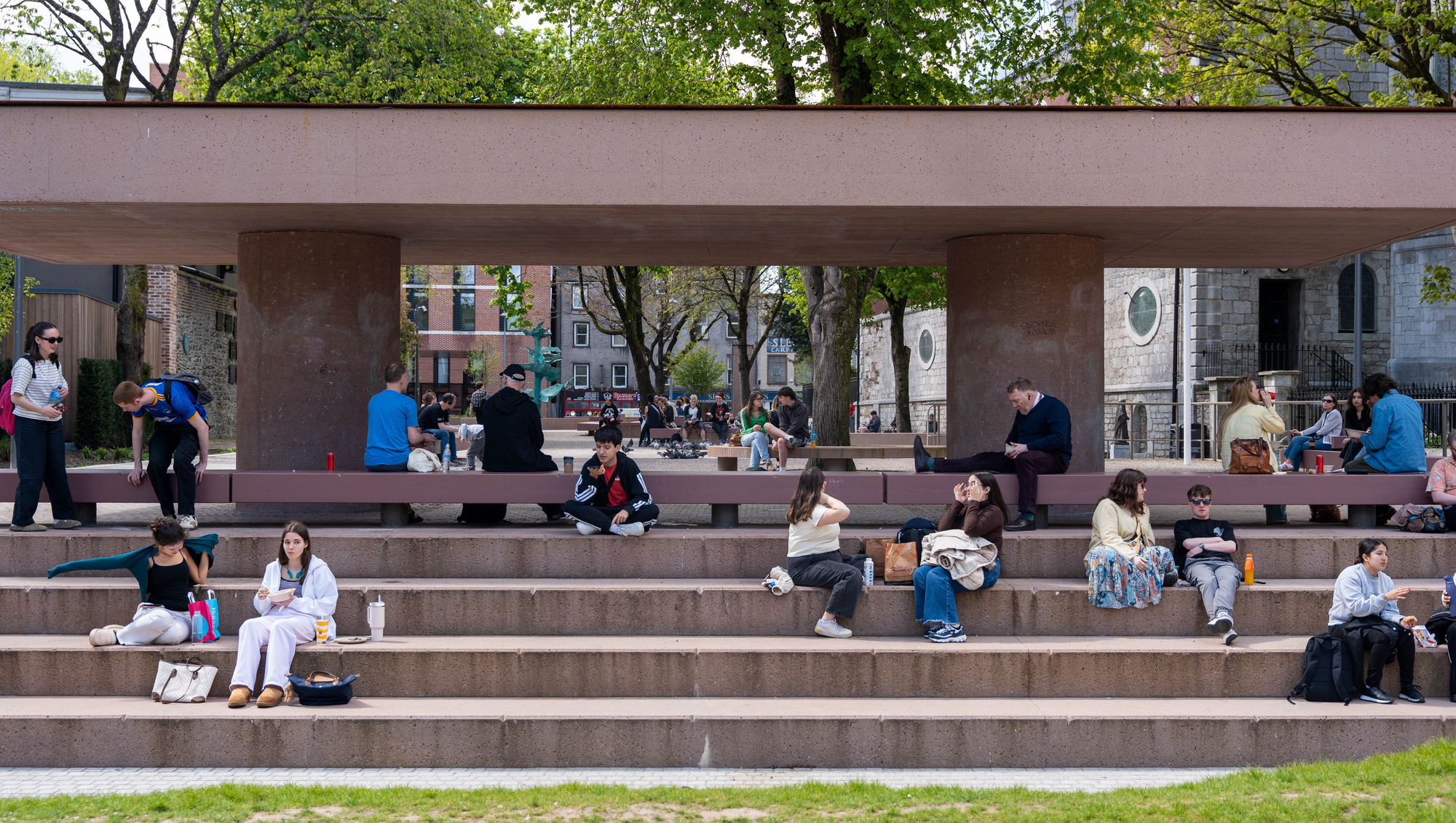
People enjoy the outdoor space at Bishop Lucey Park during the spell of good weather. However, Johnny points out that access for disabled people is very limited. Picture: Noel Sweeney

People enjoy the outdoor space at Bishop Lucey Park during the spell of good weather. However, Johnny points out that access for disabled people is very limited. Picture: Noel Sweeney

A couple of weeks back, I wrote here about Make Way Day

It’s the Disability Federation of Ireland’s annual call for people to take note of their behaviour, specifically how that behaviour can affect those with disabilities by putting obstacles in their way.

As part of this event, the DFI asks people to share pictures of outrageous parking, for instance, and I was reminded of this when walking near Páirc Uí Chaoimh last Sunday.

The parking was not outrageous, per se — it was more a case of outright lawlessness.

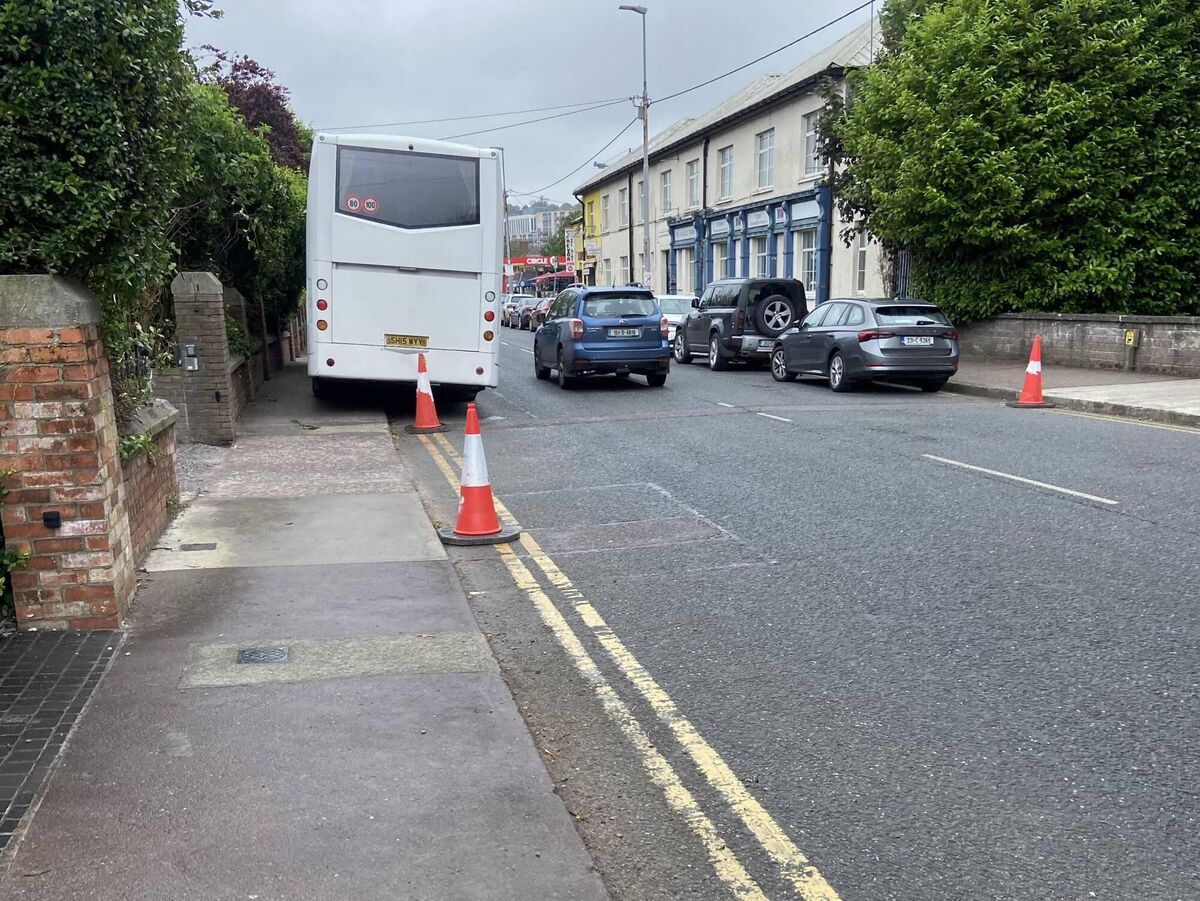
There was no shortage of cars abandoned on green areas or parked on double yellow lines, but my favourite was the large bus parked across the footpath by Kennedy Park. 

A complete blockage, forcing people to walk out and around into traffic, while a garda scrolled on his phone nearby.

Securing a ticket for the Munster Championships does not mean poor parking is allowed.

Just to clarify: The ticket to a Munster Championship game is for admission to a stadium. It doesn’t entitle you to act the ignoramus. It’s not a certificate of cauboguery, even though your behaviour may suggest otherwise.

With that in mind, I got in touch with Johnny Murphy a couple of days afterwards, just to check in on Cork’s general level of access for people with disabilities.

Make Way Day is just once a year, after all. What about the other 364 days on the calendar?

“I’m chair of the Cork Access Group,” explains Johnny.

“Every quarter I sit on a committee with the roads department of Cork City Council. They’re grand people to deal with, but lately we’ve lost a lot of disabled parking bays in the city centre, which has a significant impact on people with disabilities in Cork.

“Tuckey Street had four disabled parking bays, but that’s been pedestrianised, so they’re gone. We were told they’d be replaced, but they haven’t been yet.

“There were three on the South Mall, and I was told that those had been moved over by Forde’s Funeral Home. 

But even if you found a spot there and parked, coming from there over into town on a wet day, if you have mobility issues, for example, is no joke.

“There were another four or five more parking bays on Morrison’s Island, but those are now gone as well. I’d say Cork is down at least 10 disabled parking bays at present, which is very unfair.

“These bays need to be replaced. There’s talk about set-down areas, but that’s not the same thing. Disability parking is needed.”

Some of the bays that are still available come with a significant caveat, he says.

“Patrick’s Street is closed to traffic at half-three until half-six by law. There are four nice disability bays on Academy Street, but if you can’t access Patrick Street by law for three hours a day, what good are they to you?”

De facto exclusion

There are consequences when people can’t access those parking bays. As Johnny puts it, de facto exclusion is one clear result.

“Losing disabled bays keeps people with disabilities out of the city centre, plain and simple, and the city should be for everyone,” he says.

“There shouldn’t be obstacles put in people’s way when they want to come into the middle of the city. 

"I’m from Cork, and I love Cork. I love going into the English Market, for instance, to get fresh produce — but there are no parking bays near the market, so how are people with disabilities going to access it?

“I know there are some parking spots on the Grand Parade around the old Capitol, and if those are there, then a couple of parking bays could be put in, surely?”

On the positive side, Johnny speaks highly of the local authority staff. He points out that a more cohesive approach would help but has high praise for many of the individuals concerned.

More joined-up thinking

“I find the people I deal with in Cork City Council sound. Absolutely sound. But there should be more connecting the dots, more joined-up thinking.

“In fairness, the council has appointed a disability officer, which we didn’t have up to now. That’s a positive move, and she’s very passionate about her brief — I’d insist that she sit in on our meetings with the council.

“We’ve also had some good results with the council. The road crossing out by Cork University Hospital — which would obviously be very busy — needed upgrading for a long time. 

"It was very dangerous and we were raising it as an issue for a long time. They found the money and improved it. Is it perfect? No, but it’s better than it was, and it’s as good as they can get it now. 

That’s all we’re asking for — to take people with disabilities into consideration.

When the opposite happens, it’s disappointing, naturally enough. Take one of the newer, more controversial developments in the city centre.

“With a development like Bishop Lucey Park, we’d normally go in and evaluate it for them, to say ‘this needs to be done, that needs to be put in’ for people with disability issues,” said Johnny.

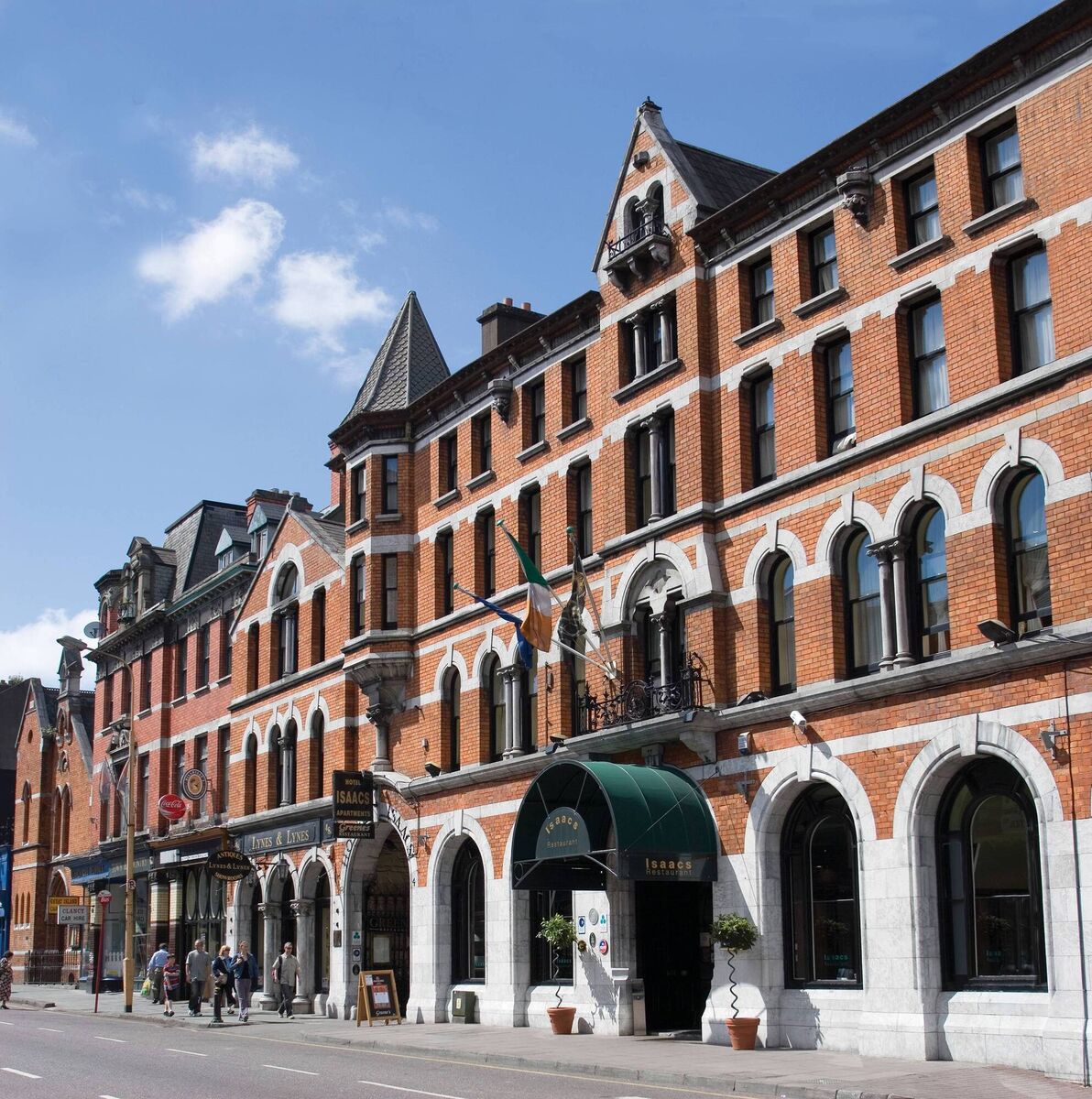
“We weren’t involved whatsoever with the process with Bishop Lucey Park, though, which was very disappointing. If you look at MacCurtain Street, we had a big input there when that was being developed, and it’s top class. Everyone raves about it.

“When we’re asked for our input and we have the time to give, we do. Since Bishop Lucey Park was reopened, I was in an online meeting with council officials, and I asked how people in wheelchairs were supposed to manoeuvre around Bishop Lucey Park, as it’s all stones. It’s impossible.

“They spent €7m on the redevelopment but I think it’s excluding people with disabilities. I was fairly narky about it, to be honest.”

MacCurtain Street is now much more accessible to people with disabilities, and other areas need to follow suit. 

Across the river is a shining example of what can be done, he says. When describing MacCurtain Street as “best-in-class, really good” there are concrete examples to back up that assertion.

“Sometimes it’s down to an individual engineer you’re dealing with,” says Johnny.

“With MacCurtain Street it was Shane Mackey, who was terrific.

“If you turn off MacCurtain Street down to Bridge Street you come to the corner by the Paddy-wagon office, and the steps by the quay were very steep, very awkward if you were in a wheelchair or had mobility issues.

“I remember saying to Shane, ‘Well, there’s not a lot you can do with this’, and he said, ‘Not at all, I’ve a plan for this’.

“And he did, obviously, because they did the work there, and now that area is much more accessible. A wheelchair can get across the quay and up through Bridge Street, no bother. So it shows that they can do it.”

It’s a cliche, of course, to say that a city that is accessible to the elderly, people with disabilities, and those pushing prams is a city that’s accessible to all.

But it’s also true.

More of the MacCurtain Street spirit would be welcome.

x

Your home for the latest news, views, sports and business reporting from Cork.

More in this section

Revoiced

Newsletter

Had a busy week? Sign up for some of the best reads from the week gone by. Selected just for you.

Cookie Policy Privacy Policy Brand Safety FAQ Help Contact Us Terms and Conditions

© Examiner Echo Group Limited