Michael Moynihan: Heat is now an issue for Ireland, and it will be for the foreseeable
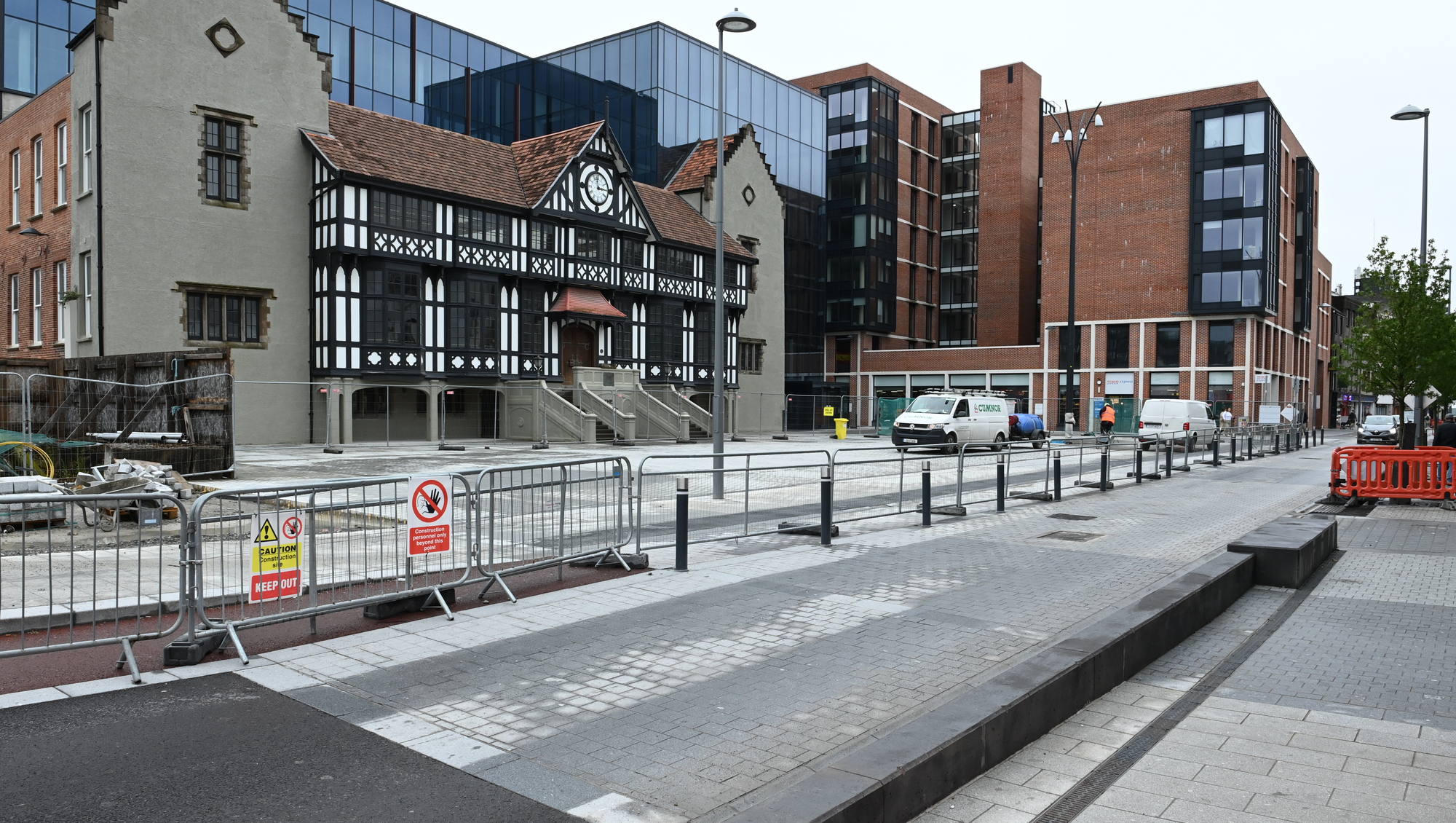
The new Cork City Library: 'I and my colleagues, just using artificial intelligence, have taken an image of that area and added in what it would look like if we had these beautiful green spaces and blue spaces, play spaces, spaces for people with shaded areas, where people can relax, and where there’s drinking fountains.' Picture: Larry Cummins

Is the end in sight?
The heat that has been punishing the larger mammals among us for weeks may finally be easing, which means we might soon be able to wipe away the sweat and get on with the usual summer traditions. Grumbling about the rain and so forth.
What can we learn from the heatwave, apart from the unparalleled joy induced by a Magnum Classic at noon? There are surely lessons which need to be taken on board, which is one of the reasons I got in touch with Dr Christie Godsmark of UCC, who’s involved with the Climate and Health Alliance — a group with members from public health NGOs, professional bodies and the like which, she said, was seeking urgent Government action on issues related to climate change and, in particular, its impact on public health.
You may have seen a reference to the alliance’s work recently when it reported parts of Cork City were 15C hotter than other parts, the kind of observation that makes you sit up and take notice pretty quick.
Christie focuses on the alliance’s concerns about heat in the environment, which is a natural fit for someone in UCC’s school of public health, where she lectures in occupational health (“I have a strong interest in climate change and health,” she told me. “I’m affiliated with the Sustainability Institute at UCC and my interests would include climate change and health: I have a particular focus on heat.”)
(True enough: her PhD was on human thermoregulation in an extreme hot-dry environment, and how workers responded to certain environmental conditions.) We’re being told all the time about climate change, but is the recent hot spell a portent of our future in a heating world?
Read More
“I think heat is an issue for us now, and it will be so for us for the foreseeable future.
“Our meteorological and environmental colleagues have given us clear projections for Ireland. We know we are going to have longer lasting hot days, they’re going to be more frequent, and they will probably have increasing severity.
"What’s also important to remember is that Europe is the fastest warming continent, and we also have particular vulnerabilities. Within Europe, we do have an aging population and we also have a lot of people moving to cities.
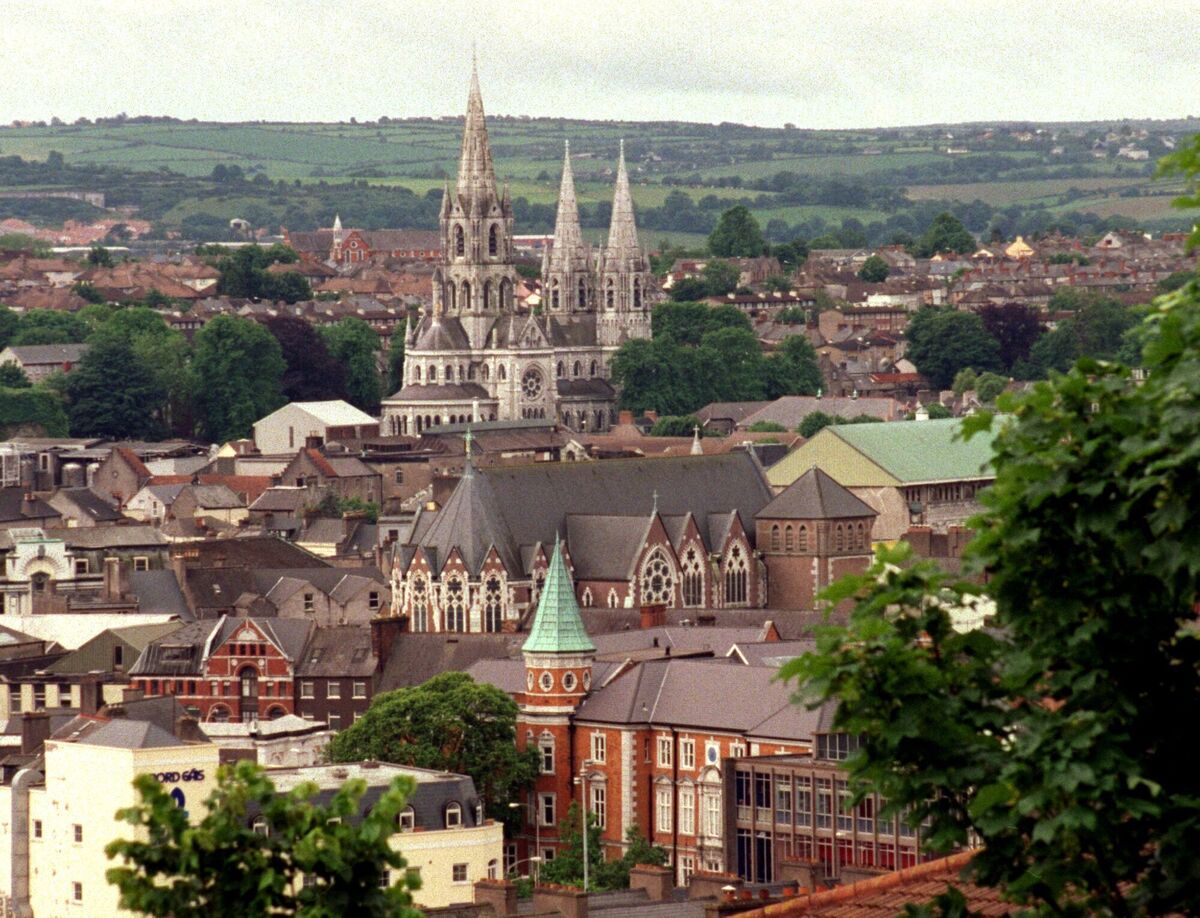
“I think the statistics suggest that by 2050, 70% of people are going to live in cities, but in Europe that number will actually reach 80% of the population living in cities. So this urban heat island phenomenon becomes important, and cities are an area we need to target because of that urban heat island effect.”
This has been one of the buzz words of the hot spell, the urban heat island. But what does it actually mean?
“The most important, I’d say, is the changing material found in those urban areas. There are less green spaces (grassy areas), less blue spaces (water-based environment), and more heat-absorbing materials like concrete and roads.
“We also have a concentration of heat-generating activities within cities, while there can also be poor building designs in some cities.
“All these factors together create an urban heat island where the city and urbanised areas can be hotter than surrounding rural areas. I don’t want to comment too much on the buildings specifically, because that’s not really my area of expertise, but if we were to develop a heat health action plan based on the guidance from the World Health Organization, then these sorts of issues feed into that. They would have to be addressed directly in the plan."
One significant element of such a health action plan would be reducing heat exposure. Christie pointed out this can be done at multiple levels — at a personal level, room level, building level, urban level, and then regional to global levels.
“We also need communication with people about their personal behaviours — we need to look at our buildings’ designs, at blue routes and green routes, and so on. The first thing is the local city council."
Well, local is local. What are the options on Leeside?
“I’m talking about Cork because I’m in Cork, but this applies to all cities in Ireland.
“Local city councils need to develop heat health action plans, and those must be informed by the WHO guidance so they can protect public health.
“There are absolutely opportunities for Cork specifically. Take the new Cork City Library, the space that has been dedicated for that purpose. I and my colleagues, just using artificial intelligence, have taken an image of that area and added in what it would look like if we had these beautiful green spaces and blue spaces, play spaces, spaces for people with shaded areas, where people can relax, and where there’s drinking fountains.
“It’s not that difficult to imagine this, so, why not? We have a project where there is enormous potential to create green and blue infrastructure for the benefit of public health.
“In the climate change and health world, these are climate and health co-benefits where, by tackling one issue, you have knock-on health benefits.”
For all of those benefits, Christie added she “wouldn’t want health to be a thing that’s sort of tacked on at the end”, pointing out a heat health action plan is a public health response to challenges posed by heat.
“So since we have that heat, we know there are people who are going to be particularly vulnerable. I’m talking about all the people, people with chronic conditions, pregnant women, young people and especially workers, those who may have to work in really hot places both indoors and outdoors.”
There are other areas where the knock-on benefits of such action plans filter out into the wider community.
“Take cycling. There you’re tackling air quality issues by getting people to cycle more rather than using private cars for transportation.
“And in doing so, they’re then having knock-on health benefits. Of course, we’re having less greenhouse gas emissions if you’re not driving your fossil fuel-powered car, so you have better air quality.
“But we also have better cardiovascular health. Because people are cycling and fit we have lower rates of obesity. That leads to people having better mental health as well.
“And there are other environmental positives, like having less noise in our cities from fewer cars.”
Clearly we can’t say with a straight face that heatwaves are exceptional events which outflank us when they arrive. We can expect more of them, which means we need to plan accordingly.
- X: /mikemoynihanex
- Instagram: /mikemoynihanex
- TikTok: /mikemoynihanex
CONNECT WITH US TODAY



Be the first to know the latest news and updates