Michael Moynihan: Small, thoughtless acts can have a profound effect on someone's day
'Irish urban streetscapes can be difficult because there are narrow roads, narrow footpaths and so on.'

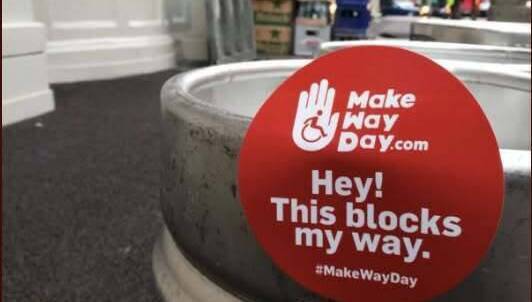
Tomorrow is Make Way Day 2026.
If you’re not familiar, it’s an initiative run by the Disability Federation of Ireland designed to draw attention to the challenges faced by people with disabilities as they try to get around. The DFI encourages people to take pictures of obstacles and to post them on social media, to share such pictures with their networks, and to contact their local councillors, and others, for support.
I had a chat with Tom Meagher of the DFI about the day.
“It’s been going since 2017, and the thinking behind it is to get people to move out of their own experience a little bit, to consider things from a different angle.” You can take that angle part literally. Tom points out that seeing things from a slightly different perspective makes all the difference.
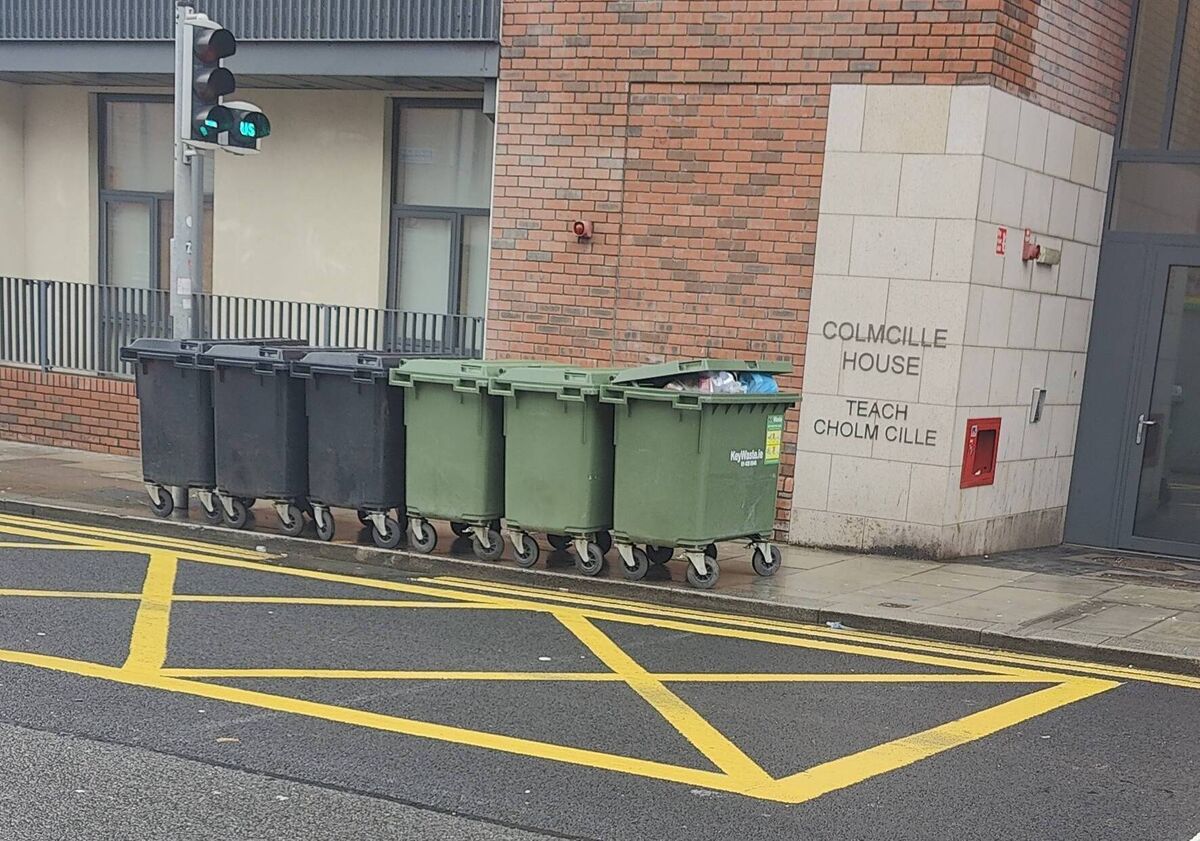
“A lot of the time people will do things unconsciously which will impede others — they’ll put a bin out in the middle of the footpath, or not cut the hedge or brambles at the edge of their property.
“Those are obstructive for people with visual impairment, for instance, because those brambles can whack them in the face, or the bins can get in the way when they’re walking past. The same for people using wheelchairs or with mobility issues.
“We know well that people don’t do those things out of malice, obviously. No-one is trying to make life harder for people with disabilities. But what we’re trying to do with Make Way Day is to invite people to consider what those actions do for someone in a wheelchair, or who is visually impaired, or has a different disability.
“Actions like those I’ve mentioned may force people off the footpath and out into the road, for instance, which is obviously dangerous.”
Recognising those actions for what they are, and what they do to others, is a lesson that usually sticks, Tom said. Awareness of the impact on others is the best driver of change.
“The other side is that once people see what the consequences of those actions are, then they can’t unsee those consequences. They become aware of those actions and they tend to change their behaviour as a result.”
The photographs sought by the organisers are key in that regard. They’re a simple but effective illustration of just how awkward a wayward bin or carelessly parked car can be.
“We post those on social media to help people recognise their actions, so that people will think, ‘yeah, I’ve done that’ when they see those images.
“And people want to help, as I’ve said. The usual reaction is ‘I’ve done that myself, but I’ll change’. And it’s also worth pointing out that it’s just a small change — we’re not asking anyone to make massive changes to their psychology or to their actions.
“It’s usually something small and easy that they can do every day, and people really take those changes to heart.”
Those photographs, by the way, can be...
“Some of them are absolutely absurd — a car parked in such a way that the entire footpath is blocked, and people’s comments are, ‘I can’t believe that this happened’.
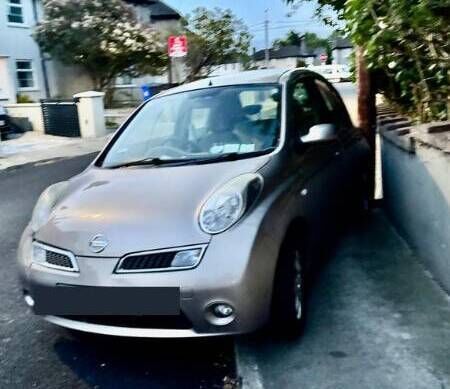
“But the point we’re making is that most people aren’t like that and are maybe parking carelessly the odd time. Those are the people whose behaviour we’re trying to change, because they’re the kind of people who would stop doing that immediately if they knew they were hindering or inconveniencing others.
“They’re the people whose reaction tends to be ‘I didn’t realise I was doing that, so I’ll stop’.”
Setting the tone is a delicate matter. As Tom acknowledges, telling people they’re ignorant and endangering others is no great encouragement to change behaviour. Pointing out that it’s easy for someone to be momentarily thoughtless is a more fruitful approach.
“That’s it. We’re not trying to point the finger at people, or to blame them for being terrible individuals. I can certainly think of times when I’ve done those things myself, or my friends or family have. Everyone is busy, everyone is under time pressure, so it’s just about getting people to acknowledge the issues they may be creating for others.
“One way a lot of people get more awareness of these problems is when they become parents, by the way. If you’ve ever pushed a buggy around town you’ll realise pretty fast that people’s parking can have a big impact on you. A car across the footpath can often send you out onto the road and into oncoming traffic.
“That’s annoying and dangerous, and we find people often think as a result of those experiences, ‘well, how are people in wheelchairs dealing with this, how are people who are visually impaired dealing with it?’”
Last week, yours truly was on RTE radio fighting the good fight against dogs licking plates in coffee shops. Our four-footed friends also pose a challenge in this context, though their owners are the ones truly responsible.
“Another problem that people may not be aware of is dog waste — that’s a big issue for blind people, who don’t see it, obviously.
“I’m aware that there are general campaigns from time to time encouraging people to clean up after their dogs and this aspect of the problem — the impact on the disabled — could be included to help encourage people to clean up after their dogs.”
Other challenges include a recent innovation which many readers will be familiar with: the abandoned scooter blocking the entrance to a premises.
“People often leave their scooter in front of the door of a shop or business while they go in, and that can be a huge access issue for someone,” said Tom.
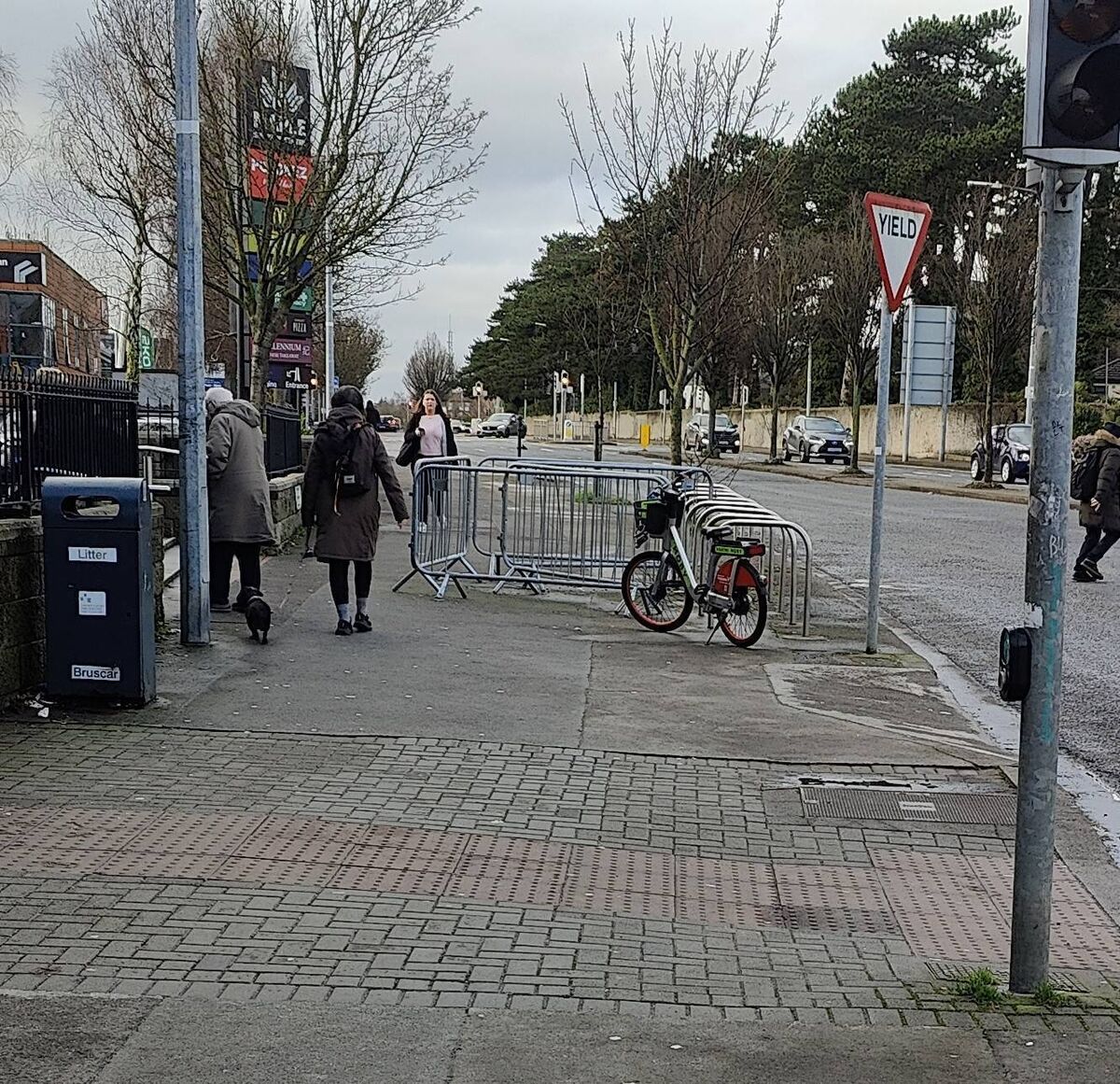
“What you often hear from people who leave a scooter outside the door or park their car across the footpath is ‘oh, I was only in the shop for a minute’. But they need to realise that that minute or two could mean someone misses a train or a bus. Disabled people often have to book public transport in advance, so missing a train or a bus is hugely disruptive.
“Again, I don’t think people consider that before acting. What we’re trying to do is to encourage people to think ‘well, if I park there or leave the scooter there I’ll be inconveniencing someone significantly, I’ll move the car or the scooter to another spot’. That second or two can make all the difference.”
There’s the small matter of our environment to consider also.
“Irish urban streetscapes can be difficult because there are narrow roads, narrow footpaths and so on. There’s a reality involved here in that if you go to certain other countries the roads and footpaths are far wider and drivers don’t feel the need to park across the footpath.
“In Ireland those areas are physically tight, so it takes an effort from local and central government to create an environment which suits the very young, the very old, the disabled — and which suits everyone else as well as a result.
“An urban environment which works well for a wheelchair user will work well for everyone.”
For more see: makewayday.com, #MakeWayDay26
CONNECT WITH US TODAY



Be the first to know the latest news and updates