David O'Mahony: We are drowning in content but lacking in culture
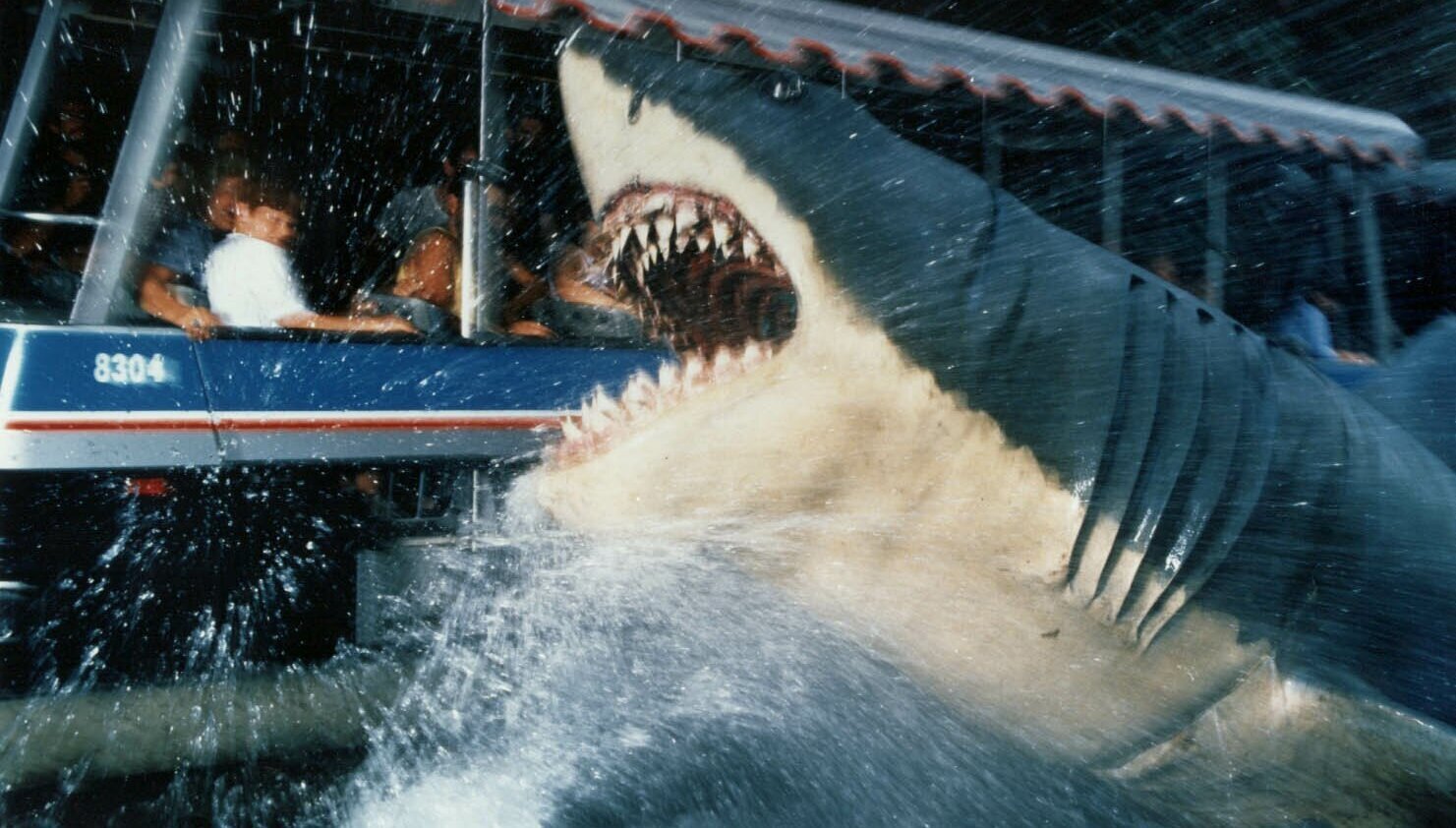
Jaws: The novel, and its film adaptation by Stephen Spielberg, have done so much to make people think poorly of sharks that the author expressed remorse more than once. Now that’s a cultural impression.

We are drowning in content and yet precious little of it seems to be sticking beyond the first impression.
Before you start on with the “old man shouts at cloud” routine, let me explain a bit.
I’m talking about touchstones, cultural moments or shared experiences that linger a little bit. Maybe not always consciously, but they’re still there. We’re starting to, if not lose, then certainly dilute our ability to have these moments.
Let’s take Netflix as an example. It produces more hours of content than any other streaming service on the planet, and a company called Parrot Analytics — which measures everything from pure hours watched to social media sentiment — shows its films are less and less culturally persistent.
I think “cultural footprint” is the phrase. That is to say, people watch them and move on, rather than feeling any sort of sustained connection to them. It’s like trying to skim a stone on a lake and the rock sinking straight rather than sending out ripples.
Of course, not everything has to be culturally relevant beyond its immediate shelf life. It entertains, or informs, and disappears. However, given Netflix has been overtaken by YouTube in terms of time watched per person per day, it shows a shift that overall is not for the better.
Generative AI lumbering in the background like some sort of feckless, roving mutant is eroding things further. In five years, who’s going to remember that time they watched an AI video of Optimus Prime fighting a kitten? Nobody, that’s who. Search your feelings, you know it to be true.
Every Monday in this publication, our arts pages feature a series called Culture That Made Me. In this, an individual discusses their own little milestones, all of which cumulatively have informed who they are, how they think, or what they do.
Two weeks ago it was DJ Jazzy, who picked out Mulan, Rihanna, and David Attenborough as important influences. On the Monday just gone, it was the crime writer Liz Nugent, who highlighted Enid Blyton, her first experience of cinema in Skibbereen, and Peter Benchley’s novel . These are the sorts of influences that cross boundaries and generations, that leave lasting legacies.
It’s sometimes forgotten, incidentally, that the novel, and its film adaptation by Stephen Spielberg, have done so much to make people think poorly of sharks that the author expressed remorse more than once. Now that’s a cultural impression — a wrong one, but nonetheless — that’s so embedded it has passed down through the years almost as much as enjoyment of the film and novel is.
Other films and stories have that same sort of impact, though.
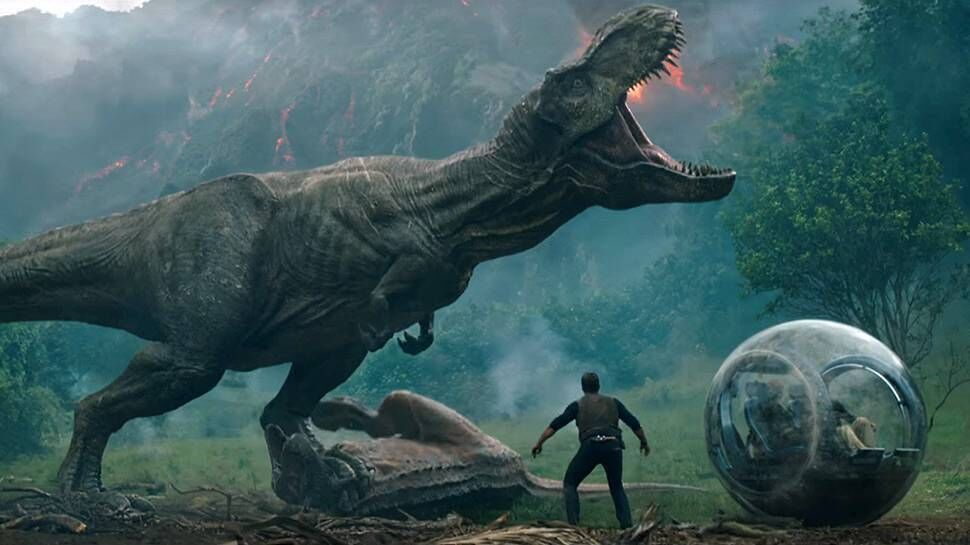
I can remember seeing in Cork’s now-departed Capitol Cinema — let’s gloss over how long ago that was and mitigate by saying I wasn’t even 12 — and the audience, after a second or two of awed silence at its end, gave it a round of applause.
You wouldn’t catch yourself doing that to Skibidi Toilet on YouTube, or one of the plethora of generic Christmas movies that will sprinkle themselves all over Netflix in a few months.
And yet still has that sort of resonance with my own children. It’s a combination of factors: the storytelling, the use of animatronics that still hold up all these years later, even the music.
Netflix may have one particular strategy — novelty keeps a certain type of attention, even if it’s a sort of cursory one — but that costs billions. YouTube, meanwhile, has always mostly outsourced content creation to its users, paying them with advertising, subscriptions, or special contracts.
Some of it, to be fair, is quite good: when the twins were small we learned a lot about ways of playing Minecraft from watching videos of a family called the Izzys, for example. But that’s the point: they were a family playing together and sharing their different passions with one another.
They weren’t vomiting out seething cesspools of pointless AI slop, which while easy to generate at scale, is simply churning out an almost endless swathe of dull, beige sameness.
At least when Netflix goes for genre movies, they have real people both in front of and behind the camera.
But if everything is the same, and cost concerns push companies to do the same things as each other, how does anything stand out if it doesn’t retain that human touch?
One small ray of sunlight may be how younger people — Gen Z and Gen Alpha — are exhibiting not just distaste for AI, but even outright refusal to use it. There have been numerous reports about Gen Z having staunch concerns about it, with people in that age group using it but increasingly sceptical and getting angrier.
They are, after all, the ones losing the entry-level jobs, and are also more likely to seek out employment that is ethical and environmentally conscious — things generative AI are decidedly not.
As for Gen Alpha, I can attest mainly to my own three kids. Twin 2, who’s 12 and the most tech capable, refuses to even watch AI-generated ads when using a device, saying “why would I want a game made by a computer when there are people?” Daughter, 7, makes vomiting noises. And Twin 1, who is autistic and sometimes uses phrases as a type of shorthand, merely says “bye bye” — in context, his code for “get lost”.
Maybe the kids will be alright after all.

CONNECT WITH US TODAY



Be the first to know the latest news and updates