Culture That Made Me: Donnybrook author Liz Nugent picks her touchstones
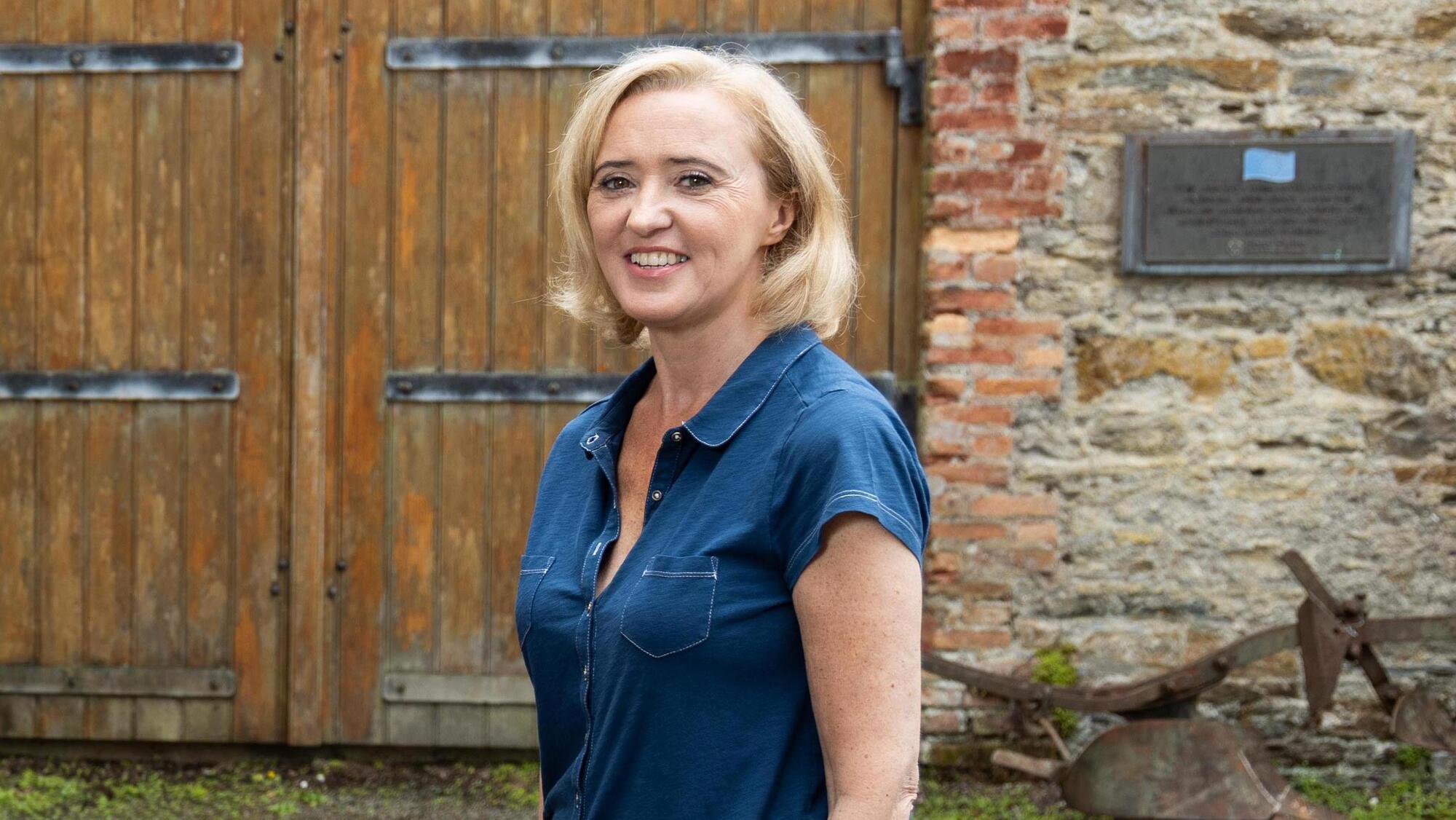
Liz Nugent's latest novel is The Truth About Ruby Cooper. Picture: Darragh Kane
Born in 1967, Liz Nugent grew up in Donnybrook, Dublin. In the 1990s, she travelled the world as a stage manager for Riverdance. From 2003 until 2013, she worked as a story associate on Fair City. In 2014, she published her debut novel, Unravelling Oliver, a psychological thriller which won an Irish Book Award, the first of five national book awards. Other crime fiction prizes followed. Her latest novel, is published by Sandycove.
Growing up, I loved Enid Blyton’s books. The Secret Seven were crime lovers. They investigated crimes. I loved George, the tomboy character, in The Famous Five. Nowadays, we'd know she was a lesbian. She didn't want to conform. She didn't see why she couldn't do what the boys could do. She was a feminist, wanting to climb walls like the boys and go on dangerous missions, tracking down the bodies and pirates or whatever they were after. She was ahead of her time.
My granny, Lil O'Donovan, was a national schoolteacher from Skibbereen. When I went to her house every summer, she took us to the beach every day – to Tragumna, Owenahincha or Barleycove. She was a subscriber to I brought it to the beach as my reading material. It was a mini encyclopaedia about various things like, for example, parts of the body.
There was a jokes’ page called 'Laughter is the best medicine'. It always had a tale of derring-do like, say, a man who found himself on the side of a mountain and he chewed his own arm off to get it out from under a rock, and he climbed down the mountain with his one arm, and he was saved at the end of it. Fantastic stories.
My first cinematic experience was at the cinema in Skibbereen. We went with the children next door to my granny's house. I can't remember what film we were trying to see, but we weren't allowed into it because it had already started. The film we got into was . We didn't know what the words meant, but we all trooped in anyway. We were 20 minutes into when we were kicked out of the cinema. We weren't being collected until the film was over, so we walked around the streets.
Elvis Costello’s song was made famous by Robert Wyatt, but I love the version by June Tabor, an English folk singer because of the clarity of the vocals. It was written about the Falklands War. In 1982, the shipbuilding industry, which had been decimated, came back in a big way to Liverpool. Suddenly there was work for everybody. Everybody was excited. If you weren't shipbuilding, you were joining up and fighting the war. It was the juxtaposition – the potential benefit it brought to Liverpool versus the loss of young human life, young men going off to fight in a war.
Peter Benchley’s novel is very good. There's a lot more going on in it than in the film. There's sex in it, which there isn't in the film, that went over my 12- or 13-year-old head. I found the book very exciting, but then I was caught reading it and it was confiscated by the nuns in my school. I didn't realise there was an age-rating on books because there wasn't censorship at home – I was allowed to read whatever I wanted. I had to wait until the end of term – when confiscated goods were given back – to find out what happened in the end.
Maeve Binchy was a student in my school. Her novel was published a year after I left school. When I re-read it a couple of years ago, I realised how ahead of her time she was. She had these characters, an Irish girl and an English girl. The English girl was sent over to Ireland during the war to be safe by her austere English parents. She became friends with the Irish girl; they had a lasting friendship. The book spanned 30 or 40 years, dealing with domestic violence, abortion, impotency, inheritance – really feminist topics. I don't know how she got away with it.
John Banville's is a crime novel loosely based on the Malcolm MacArthur [murders’ case]. I read it in 1989 when it was published. Then in 2002, I worked on a stage production of it. It's a masterpiece about a character who's very damaged and callous. I thought if I ever write a book, I'm going to write about a very damaged man. So, when I wrote my first novel, it was about a damaged, callous man. was a seminal, life-changing novel for me.
At the Hinterland Festival in Kells, Co Meath in 2019, I interviewed crime novelist Jane Casey. Afterwards, we walked down the road. This man was walking towards us. He looked familiar. He was small, slight and tweedy with a hat on. He said, “Excuse me, are you Jane Casey? I'm sorry I missed your event. I wanted to ask you a question. How do you do your research? Have you ever actually met any murderers?”
She said, “My husband's a criminal barrister, but it's not like I talk to real murderers.” He said, “Well, you have now.” I said, “Are you Malcolm MacArthur?”
He was taken aback because he tried to shock us. He didn't think he'd be recognised. There was an awkward pause. I said, “Do you get recognised much?” He said, “Funny you should say that. People mistake me for [Anglo Irish Bank’s] Seánie Fitzpatrick.” [Note: Malcolm MacArthur was convicted of the murder of nurse Bridie Gargan, and released from prison in 2012]
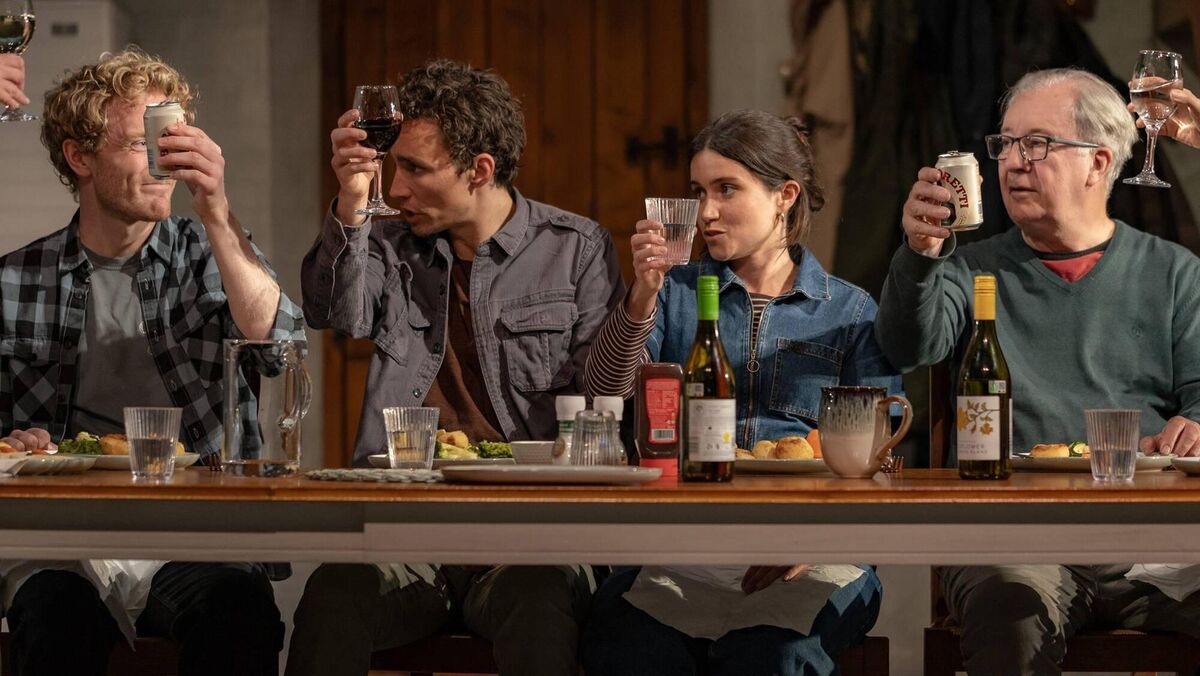
Mark O'Rowe is extraordinarily talented. His most recent play, was fantastic. There's another one done by the Abbey in 2014, , with Sinéad Cusack, Ciarán Hinds and Tom Vaughan-Lawlor. It was unbelievable. I remember the interval ended on a hook. I was on the edge of my seat. I couldn’t wait for Act 2 to begin. I, along with several people, didn’t leave the theatre. They lost a fortune in the bar. We were so riveted, waiting to see what was going to happen.
My favourite play is Brian Friel’s The narrator is brought up by his aunts and his mother. It's the sadness at the end when he relates what happened to them – two ended up homeless on the streets of London, one bitterly on her own. He had this absent father, a Welshman, who popped up every couple of years and then vanished, always coming with promises that next time he’d bring him a bicycle or whatever. Then there was the priest who came back from the Missions, their brother, who they were so proud of, but it was transparent he'd been sent home from the Missions because he lost his mind. It’s terribly sad, but a beautifully written play.
I love Matisse. He was an all-rounder. I went to a chapel he designed in Vence, near Nice in the south of France. It’s run by a tiny, strict nun. Matisse painted the walls’ murals, which look modern. He designed the vestments the priests wore. They're displayed in glass cabinets.
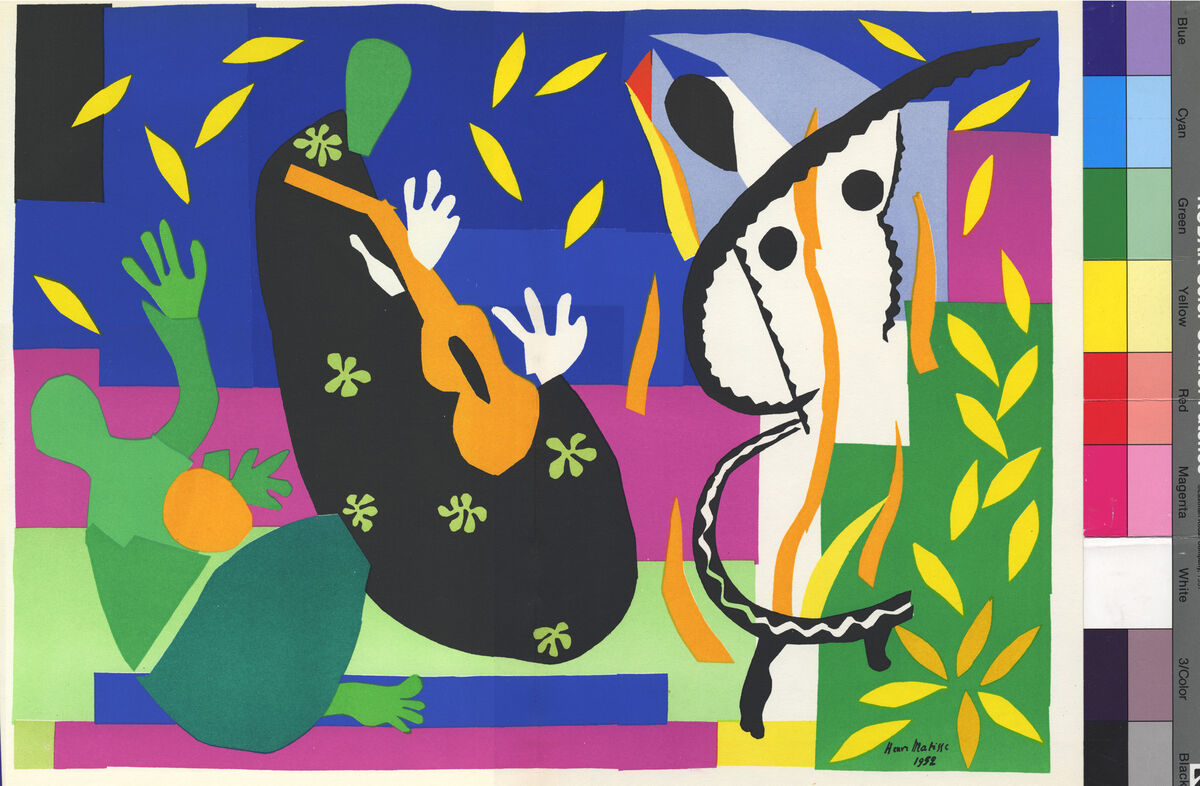
He designed the chalice. The reason he did this was because when he was very ill as a younger man, this young woman came to nurse him. She joined a convent, but they didn't have their own church. He wasn’t particularly religious, but as a thank you, he designed and built this chapel for her. It was an incredible gift.