Fergus Finlay: The fact that more people need rape crisis services shows we are failing as a nation
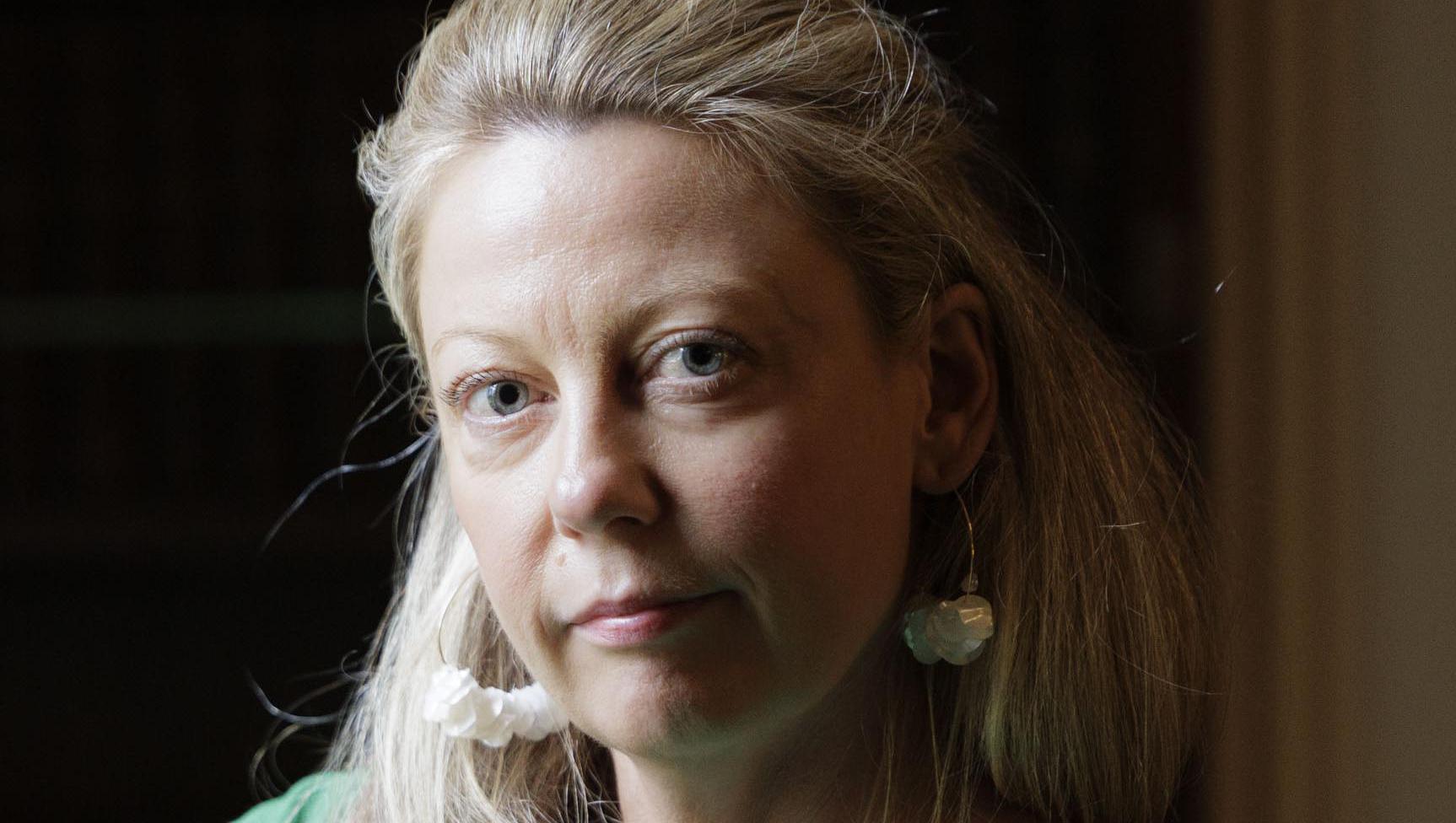
Rachel Morrogh, CEO of the Dublin Rape Crisis Centre, a desperately needed organisation that reaches places governments can’t reach. Picture: Andres Poveda
I met two remarkably brave men the other day. Tom and Jordan. I met them at what you could call the premiere of their movie. A simple little movie it was. And incredibly compelling.
It was just the two of them, and a young woman called Tina, talking to camera about their experience of sexual violence. Throughout the movie, as the cliché has it, you could hear a pin drop in the audience.
Two men and a woman talking about how, when they were younger, they had been damaged to the point of suicide by acts of sexual violence. But then they were supported to survive that experience.
I should give you some context. The occasion was the launch of the Dublin Rape Crisis Centre’s (DRCC’s) annual report. (For the avoidance of a conflict of interest I’ve been a Board member of the DRCC for some years now.)
One of the important things we wanted to do on the day was to tell stories of survivors. And they have to be told, over and over, without apology.
They all told harrowing and brave stories in the movie. Tina wanted to tell her story anonymously, so she was visually represented by a moving line drawing.
And again, and again, and again, when you hear stories like this, it forces you to realise rape is not a sexual act. It’s an act of coercion, of violence, of force, of brutality, committed by someone who doesn’t care, against someone who in that moment is unable to defend themselves.
In a weird sort of way, one of the things that has often struck me most about sexual violence is that those who commit it end up feeling sorry for themselves. They are incapable of carrying guilt and shame, so they feel self-pity in the aftermath of the crime they have committed.
Those against whom the crime is committed are the brave ones. Every survivor of sexual violence I’ve ever met, who has made it back from that violence, has done so because of monumental, ferocious determination not to be beaten.
But it’s also true that making it back is a bit like climbing Everest. And it’s really, really hard to climb Everest without the help of a sherpa. That’s why I often think of the people who work in the Dublin Rape Crisis Centre as sherpas in this excruciating world.
DRCC is 47 years old this year. And this was the busiest year the helpline has ever had, with just under 24,000 contacts. Every time the phone rings, there is someone on the other end who is struggling. Struggling with fear, with the after-effects of trauma, with pain and distrust and isolation.
When you listen to Tom and Jordan, it becomes clear their phone calls to DRCC might have been the last phone calls they ever made. In those situations it’s DRCC’s job to make sure that doesn’t happen.
Tom, Jordan, Tina, and every other caller, got to know through those phone calls that support was available. Whatever the caller needs, it’s our job to make sure they know they will never be turned away. Once that point is arrived at, DRCC’s work begins.
The staff who work on the helpline know that many of their callers will be both frightened and confused. They know what’s happened to them, but they don’t know what the next steps are or should be.
Many of them will never have heard of a Sexual Assault Treatment Unit. Many of them wouldn’t know how to contact the Gardaí, or what branch of the Gardaí they should talk to. And that’s where the skills of listening and guidance come into play.
But at least once a day, people who work in the DRCC, in addition to guiding on the telephone, actually accompany people who have suffered a sexual assault to the Treatment Unit or a Garda Station.
Can I give you one small example, from my own experience. Years ago, in my time at Barnardos, I met and spent time with two little girls whose mother had fairly recently been the victim of sexual and physical assault at the hands of her husband (their father).
I am still haunted by those little girls. Beautifully dressed in Sunday best, with the saddest, emptiest eyes I have ever seen in a child.
I don’t want to go into too much detail, but I do want to tell you I met them again after a year of intensive therapeutic and family support for them and their mother. And they had turned into the two of the most mischievous little girls I’ve ever met.
I don’t think the DRCC would claim that all of our therapeutic interventions replace despair with mischief, but they are designed to enable hope and to build self-worth.
The process is demanding and takes time. And it is an intrinsic part of the work that survivors of sexual abuse undertake on the road to recovery, with the help of highly skilled therapists.
DRCC — and other rape crisis agencies — do everything they can. But there are two areas in which we’re failing as a nation.
The first is a matter of legal and constitutional principle, which has failed to be addressed by Government.
It remains the case that people who have been through the trauma and life-changing experience of sexual violence can find themselves in a position of having to hand over the notes of their therapy sessions to the defence (in the event that someone is being prosecuted for the sexual offence).
These will be notes containing their deepest fears, anxieties, and feelings of unwarranted shame. It is simply outrageous that any survivor of sexual violence should ever find themselves in this situation.
But here’s our other failure. The numbers keep growing. The DRCC is a desperately needed organisation that reaches places governments can’t reach. That takes risks governments can’t take. And that offers supports in way that governments can’t match.
But it is only desperately needed because the incidence of sexual violence in Ireland is high, and growing. One of the more important programmes pioneered by DRCC is the We-Consent programme.
This programme is driven by the knowledge that 70% of all adults in Ireland think we have a problem with consent, and 81% agree that talking about consent will result in more healthy sex and sexuality.

Consent is a simple concept but frequently misunderstood. There’s no consent if there’s no free will or capacity to decide. Consent for one act can never be interpreted as consent for another. Consent is ultimately about safety and respect.
The DRCC website has a slogan about consent that goes “Sex, maybe. Fun, hopefully. Consent, always.”
As hard as the DRCC has worked at trying to drive up awareness about sexual violence and about consent, there is far too much still to be done.
I used to think when I was in Barnardos that it would be a wonderful thing if Barnardos was no longer necessary. I often think the same about the DRCC.
But we’re going to need it for a long time to come, and we’re going to need it as strong as it can possibly be.