Energy options: Our current situation is untenable
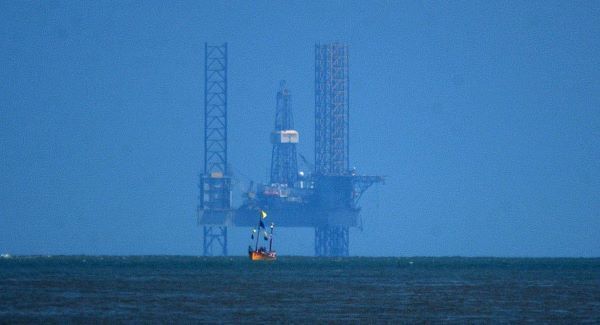
Oil shapes our economies in a definitive way. This reality is underlined by the recent fall in fuel prices, a boon provoked by cheaper oil on international markets.
How long this situation will last is anyone’s guess but we all know it cannot last for ever.
Higher oil prices will return but even that is better than the prospect, presented as an inevitability over recent decades, of oil supplies coming to an end.
It is unfortunate too that our addiction to oil sustains some of the world’s most dreadful regimes.
Nuclear power has been painted as a demonic way of generating energy, one that will eventually consume the society that consumes its output. Despite that, it remains one of the primary sources of electricity in our world.
It may be possible that as the generation so emotional in its opposition to nuclear power moves to the edges of public life that this option may be reconsidered with more open minds.
Hydroelectricity schemes are marginal in Ireland and no longer match the ambitions of those who built them more than half a century ago — just seven years short of a century in the case of Ardnacrusha. Some of the country’s hydro schemes are now at least as important as water reservoirs as they are as energy generating schemes.
Wind and solar energy, and to lesser degrees wave energy, carry the hopes that we might become less dependent on imported fossil fuels, still around an unsustainable 90% of our energy needs.
The contribution that renewable energy sources might make to slowing climate change is so important that it would be hard to underestimate it.
We simply cannot, and time is quickly running out on this one, continue burning fossil fuels at present rates.
Like every source of energy wind power has its champions and its opponents. Some oppose it on environmental grounds. Others, some highly respected economists among them, suggest it is a madcap scheme far too reliant on subsidy — check your next electricity bill, it’s called the Public Service Obligation and costs every domestic electricity user almost €100 per annum.
Despite all of these misgivings, and not all of them are irrational, generating electricity through wind seems to answer so many questions that it should be embraced enthusiastically, but with some some caveats.
It hardly seems acceptable that investors can dismiss communities’ concerns about unwelcome wind farms by saying building these facilities at sea is too expensive.
Some way of cracking this nut must be found if wind projects are to be embraced as they should be.
It may be that adjusting subsidy levels is the answer. Of course value for money is the great question and it seems the answer to this question needs to be framed in a European rather than a national context.
In any event we should hope renewable energy sources deliver on their promise as our current dependency on imported carbon fuels is unwise and ultimately unsustainable.


CONNECT WITH US TODAY



Be the first to know the latest news and updates