Elaine Loughlin: Budget 2027 rhetoric has fooled the haves into thinking they're in the same boat as the have-nots
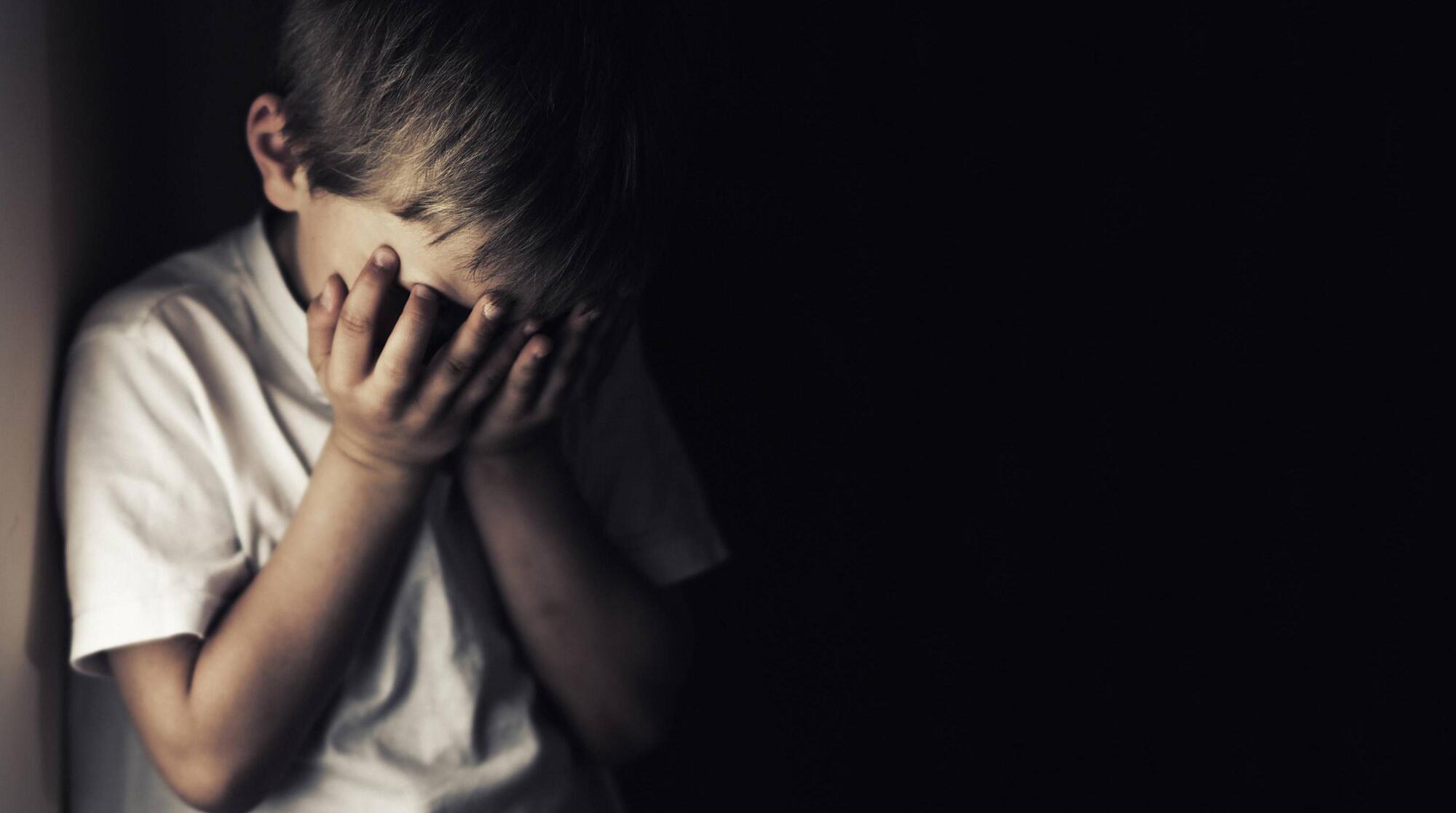
Spiralling costs have put thousands of families on the brink with more than 95,000 children stuck in consistent poverty. File picture

With Budget 2027 just a matter of days away, the Government in many ways only has itself to blame for inflated expectations.
Politicians have conditioned voters into thinking that they are all in a cost-of-living crisis.
Everyone is experiencing increased costs, but some have been insulated more than others, and it is not always the most in need who receive the bulk of supports at budget time as one Fianna Fáil senator concisely pointed out this week.
There were about nine others in the chamber when senator Joe O'Flaherty got up to speak on Wednesday evening, but it's a contribution that the Taoiseach, Tánaiste and their ministerial colleagues would be wise to look back on.
O'Flaherty spoke about the group of people who cannot get by from one week to the next, those who are literally scraping by, and "are on WhatsApp trying to get a son or a daughter to send them a couple of euro" to get them through to the next payday or the next pension payment.
Read More
In an honest admission, he added: "We live in a kind of balloon in this building. We are very insulated. We do not understand the scale of the poverty that remains in this country. Senior Government ministers and senior political leaders in particular are largely insulated from that.
"Their language is very important, particularly when we are speaking about whether the increase for pensioners is going to be €10 or €7.50.
"Most senior politicians would not see €2.50 as making much of a difference but, for a 70-year-old man living on his own who drinks three pints a day to combat social isolation, to get out and meet someone or to save putting on the heat in his house, that €2.50 is an awful lot of money."
The long-serving politician went on to say that he was putting his hand up by acknowledging that last year's Budget "did not reflect the ethos and values we have as a Government and as a caring society that values all people".
"We faced a public backlash for it. I hope we will see the result of that lesson in this budget. It needs to be a budget that emphasises care, empathy and, above all else, the support that underpins and defines the Fianna Fáil Party."
Spiralling costs have put thousands of families on the brink with more than 95,000 children stuck in consistent poverty, meaning they live in homes where there is no money to turn the heating on when temperatures plummet and there is nothing to spare to buy a coat or a new pair of school shoes when they get too tight.
Almost 18,000 people are now homeless in Ireland, including more than 5,800 children — figures which should be unimaginable, but have become an accepted norm. These people are in real crisis. These people need every support possible.
Ultimately, the annual budget is about decisions. While politicians will talk at length about bridging the gap for families or reducing child poverty, the funding allocations each year tell more about where the priorities lie.
One key area to look out for in next week's budget is the allocations within the Department of Children.
While the finer details have been closely guarded by minister Norma Foley, there has been much hype around the plans to bring down the cost of childcare. Reducing, what is often a second mortgage for parents, would be a welcome measure for many families, but it also represents a universal boost.
There has, however, been less discussion around funding for Tusla, which supports the most vulnerable children in this country.
Publishing the agency's 2025 annual report earlier this year, Tusla chief executive Kate Duggan, detailed surging demands with child protection and welfare referrals surpassing 100,000 for the first time.
Child protection referrals have jumped by 34% in the last two years, with the largest increases in physical abuse and neglect.
“We were not able to meet the scale of demand in a timely way for all children and families," Duggan said.
The latest batch of Child Law Project reports revealed that a child had to be admitted to a children’s hospital because there was no suitable social care placement for him.
The child's guardian ad litem told the court “that there was every chance that the boy could reach his full potential in time but because he was in such an unstable situation, no therapies could start”.
It's no wonder that more than half of people are not confident that children at risk of harm receive appropriate support from State services and do not believe that they have sufficient resources to meet current need, according to a survey carried on behalf of the Children's Rights Alliance.
These are our most vulnerable citizens. But there will always be competing demands.
While the cost-of-living crisis has become a buzz word inside the Dáil chamber, there are households, who are feeling the pinch and certainly witnessing the jump at the petrol pumps or at the grocery checkout, but who could not describe the rise in the cost of living as a personal emergency.
New car sales are a key indicator of the health of an economy, it represents a major, non-essential discretionary expense that households have a capacity to take on.
A total of 121,979 new cars were sold up to the end of July, a 5% jump on the same period last year.
Compare this to 2009 when new car sales in Ireland experienced a severe slump, dropping by 62% compared to 2008 with just over 57,000 new vehicles bought, according to the Society of the Irish Motor Industry.
In line with this trend, new tractor sales in 2026 were also 5% higher year-on-year up to the end of July with 1,770 new registrations.
The most popular power band for new tractors sold in July was the 121hp to 140hp category, which accounted for 25% of all registrations. Tractors in this category generally range from between €75,000 to €145,000 depending on the brand.
Trips abroad have also increased. Passenger numbers through Dublin and Cork airports rose to 19.6 million in the first six months of the year, a jump of one million on the same period in 2025.
Irish people took 4.1 million overnight trips abroad in the second quarter of the year, taking an average of 5.5 nights away.
CSO data also shows that Irish residents spent a total of 9.2 million nights on domestic trips in the second quarter of 2026, representing a 5% increase compared to the same period last year, with holiday given as the reason for 48% of these staycations.
The gap between those who are barely surviving and those who are still managing to take the foreign holiday or buy a new car is widening and yet the messaging for both cohorts is the same: You are in a cost-of-living crisis.
- Elaine Loughlin, political editor


CONNECT WITH US TODAY



Be the first to know the latest news and updates