Global action needed to protect young people from digital media perils, researchers suggest
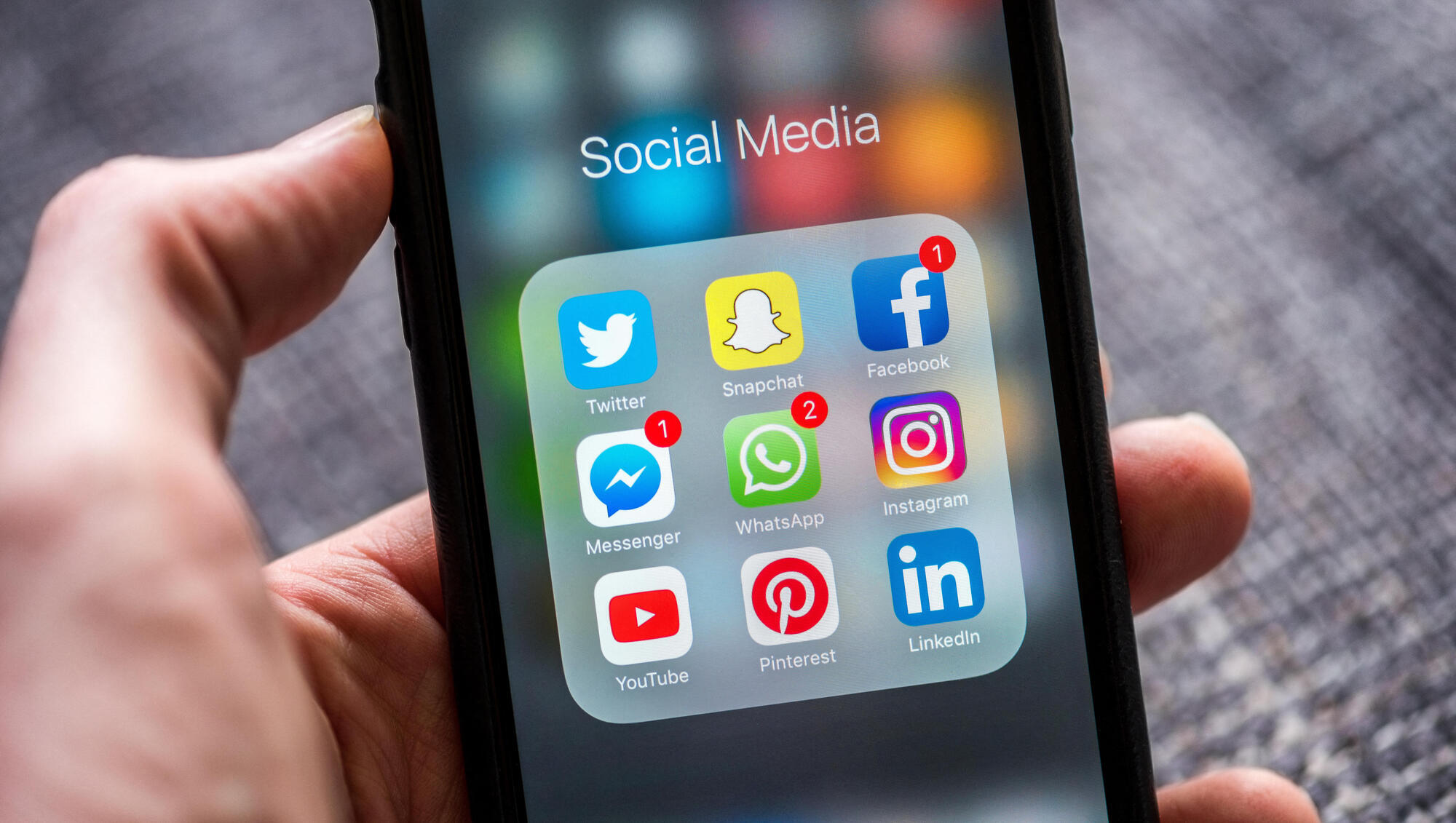
The study found that excessive use of digital media – dubbed “problematic” use by researchers – was linked to a higher risk of mental health problems, sleep issues, and reduced exercise.
The link between excessive use of digital media and poor mental health, poor sleep, and a lack of exercise among young people “justifies coordinated global action”, experts have said.
Researchers accused technology companies of treating health as “an afterthought” while developing business models that capture attention and collect data.
They called for firms to share data on how their features impact the health of users in a bid to create a “healthier digital world” for youngsters.
The team of global experts also stressed that features such as infinite scroll and autoplay are “deliberate design choices” and not a “matter of individual self-control”.
The three-paper series, published in the Lancet, includes a major analysis of reviews comprising nine million people under the age of 25.
The study found that excessive use of digital media – dubbed “problematic” use by researchers – was linked to a higher risk of mental health problems, sleep issues, and reduced exercise.
However, researchers stressed that the links are “modest”.
Professor Ilona Kickbusch, of the Digital Transformations for Health Lab (DTH-Lab) in Switzerland, said: “Use of digital media is now woven into the fabric of childhood and life as a young adult.
“Governments have let technology companies write their own rules, leading to business models built to capture attention and collect data, with health treated as an afterthought.
“The evidence linking problematic digital media use to poorer mental health, sleep and physical activity, although not conclusive, justifies coordinated, global action.
“With the right governance, a healthier digital world for young people is possible, one that allows them to benefit from online opportunities without substantial risk of harm to health.
Read More
Louise Holly, of DTH-Lab UK, said: “The associations between problematic digital media use and health harms identified in our review are modest in size and rest on low-certainty evidence that cannot establish cause and effect.
“Meanwhile, the most valuable data on how these platforms actually affect users are hidden within technology companies, limiting independent scrutiny and slowing scientific progress.”
The team suggests that spending more than two hours of screen time a day could be linked to around 2.8 million healthy years of life lost to depression, with 240,000 lost to obesity worldwide each year.
Dr Falk Muller-Riemenschneider, of the National University of Singapore, said the projections “are intended to be illustrative of the possible scale of harm” and should “not be taken as an accurate measurement of harm”.
The series recommends that governments should require tech companies to assess new products or features for harm before they are released, and to share data with researchers.
It also called for the creation of an international body to monitor the potential harms of artificial intelligence among children and young people, and the creation of a global governance treaty through the World Health Organisation to set baseline standards and prevent weak regulation.


CONNECT WITH US TODAY



Be the first to know the latest news and updates