Mick Clifford: Budget 2027 will take care of those with any kind of power while the rest flounder
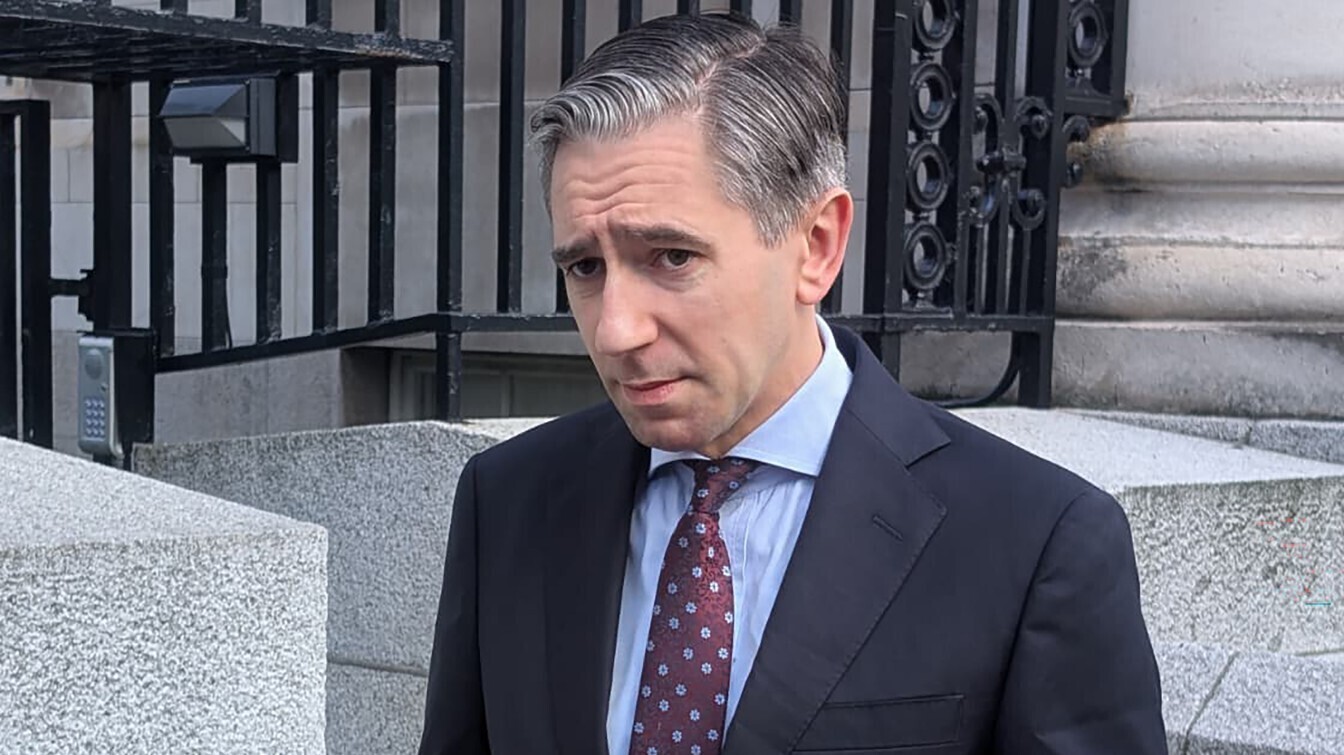
If Simon Harris had a backbone he would have shown John Dallon, one of the self-appointed leaders of last April’s fuel protest, the door last week at their breakfast conflab. Photo: Cillian Sherlock/PA

In the run-up to the budget we get a glimpse of who matters in this country and who doesn’t.
For instance, all the indications are that the allocation of resources next Tuesday will confirm that wealthy middle-age people matter while poor, emotionally fragile children don’t. And worryingly, there is some evidence that those who threaten law and order really matter, while others who live lives of quiet desperation can go whistle dixie.
Last weekend it was reported that inheritance tax will be cut across the board. Those who will benefit from this matter because there is a perception that they are likely to vote for Fine Gael, and therefore their wellbeing and wealth is a concern for the minister for finance, Simon Harris.
A study by the ESRI a few years ago concluded that 3% of the population pay inheritance tax. To qualify to pay a single penny of the tax, an offspring must inherit in excess of €400,000.
So take the average family of three siblings, typically inheriting in middle age. The family home would have to be worth more than €1.2m before a single penny of tax is paid.
There is an issue around allowances for inheritors who are not offspring, but it looks like Harris intends to go much further than just addressing that.
The bulk of inheritance is through property and usually the family home. The value of such property has increased exponentially simply due to the housing market and policies of successive governments.
And now we are told that Harris wants to make such lucky bunnies even more wealthy by foregoing even the relatively small amount of tax that might accrue in huge windfalls, typically in middle age.
Who will have to forego services to pad out such windfalls? Maybe the children of prisoners.
Last Tuesday, Grainne Ni Aodha reported in the Irish Examiner that a programme that helps cultivate relationships between parents in prison and their children is in jeopardy.
The Reach Out programme provides contact and events for children to connect with parents who are locked up.
The children have committed no crime. Typically, they are suffering emotionally because of what landed a parent in prison.
And since 2019 over 100 prisoners have taken part in the programme. Could this be anything but positive for children who are beginning life already burdened with the disadvantage of having a parent incarcerated?
A study carried out by UCC and UL has confirmed that benefits have been conferred on these children.
Now the programme is running out of money. Over the last seven years the total cost has been a paltry €168,423. In order to continue it requires a small consideration from central government which has not yet been forthcoming.
Nobody in power would say that these children don’t matter, but judging by the threat to this project, their wellbeing doesn’t matter very much. Certainly not as much as the wellbeing of the cohort who inherit hundreds of thousands of euro and more.
Meanwhile, we have the rise of a new breed who are determined that what they say and threaten will matter to everybody.
Last Sunday in Moate, Co Westmeath, a meeting was convened by the leaders of the fuel protests from April. They met to decide the next move in their quest to dictate to the elected government where exactly resources should be allocated.
It was a largely rural audience but among the speakers, for some strange reason, was Dublin City Councillor Gavin Pepper. He has been identified in the Dáil as a far-right activist, which he denies.
“In the Dáil with these politicians, it’s a game of playing with our lives every single day,” Pepper told the gathering. “They don’t seem to want to listen or want to care.”
It was unclear from his remarks whether he was advocating for a form of government removed from parliamentary democracy.
A reporter from interviewed John Dallon, one of the self-appointed leaders of last April’s protest.
He told the reporter he met Harris at a breakfast event two days previously and gave the minister a two-page document. This contains the measures that Dallon says are required to be addressed in the budget.
The reporter wondered whether Dallon and his colleagues, or honchos, or however they style themselves, were going to hold the country to ransom again.
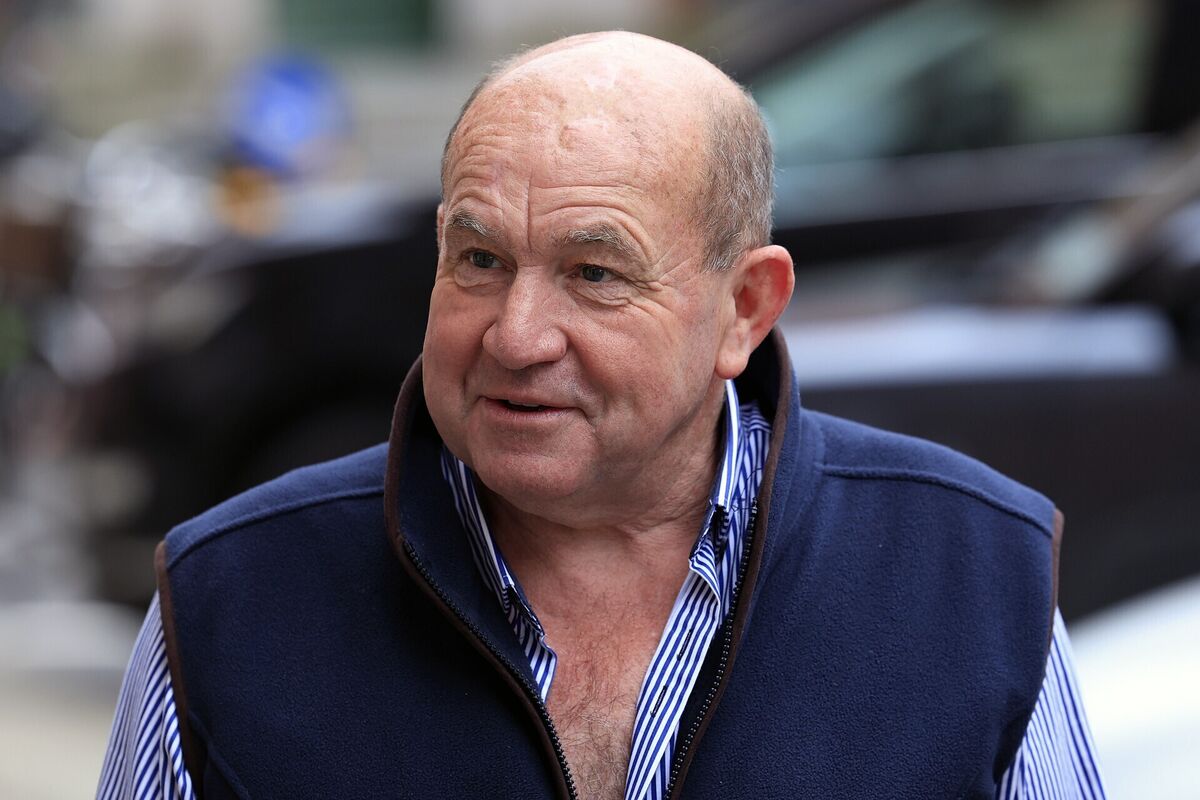
“It was really the government that held the country to ransom,” Dallon told her. “If the government had come out and talked to the people and faced the people, it wouldn’t have got to where it got.”
Which people? Businesspeople like himself who are paying for higher fuel because of a war in the Middle East? Who voted for Dallon to represent them? From where do these leaders draw their power?
How strapped are they personally? The people have access to what politicians’ financial interests are but we know nothing of the interests of these self-appointed tribunes of the people.
Later, another speaker told the packed meeting how it’s going to be.
“If the government don’t agree to help the people of Ireland who are struggling, everybody, not just truckers or farmers, we have a message for them. We also have learned from the fuel protest and we know exactly which way to go about it.
“We are not going to sit back anymore, you’re going to get it from all angles. We have network of people all over this island — the gardai are 17-and-a-half or 18,000 members, we have a lot more than that.”
The speech was met with cheers and no obvious dissent. Does that sound like a threat against law and order if the specific concerns articulated by the organisers of the meeting are not prioritised?
The whole tenor of what was reported of the meeting smacked of a mob en route to storm the Bastille and displace an aristocracy that was living in a different world. The protesters draw their power from the physical capacity of their vehicles, rather than any moral imperative.
Protest is a vital component of democracy, but what was being chewed over at the meeting involved literally holding the State to ransom unless specific demands are met, irrespective of whom the cost of that falls back on.
This is serious. There are sections of society suffering in the current economic climate. There are other sections who are suffering because of how society is organised and because of their own vulnerabilities.
And then there are these protesters, lashing out primarily against hikes in fuel due to a war in the Middle East, but casting the whole thing as the responsibility of an out-of-touch elite.
These people now matter, according to the reaction of government. If Simon Harris had a backbone he would have shown Dallon the door last week at their breakfast conflab.
Instead, both here and with the pet project of inheritance tax, we are seeing that those who wield any kind of power are to be properly taken care off. And those in real need will have to be satisfied with the crumbs.


CONNECT WITH US TODAY



Be the first to know the latest news and updates