'These are people who have everything to give': Tipperary nun urges rethink on Ukrainian accommodation
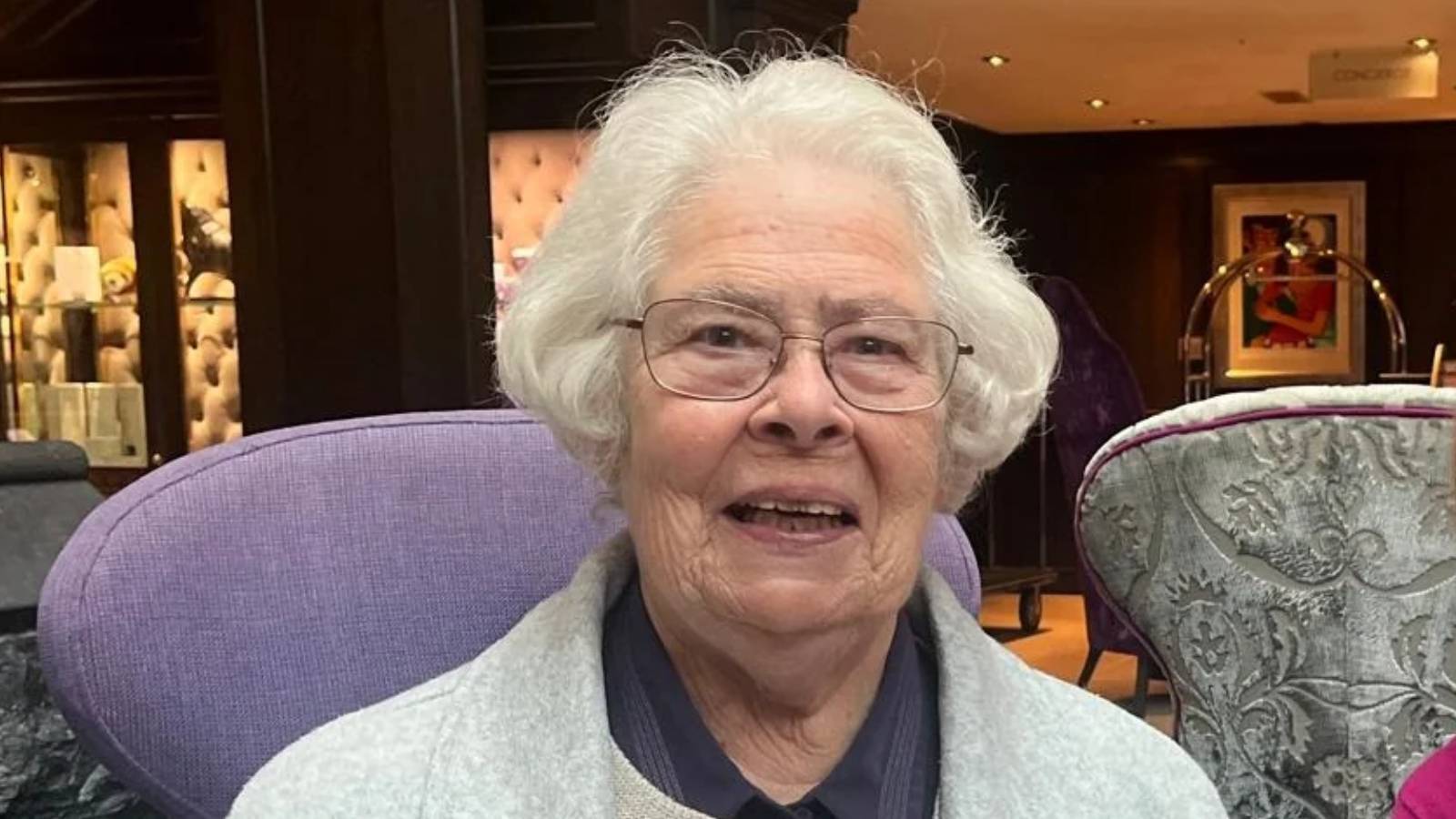
Sr Nora Bourke: 'They were all vulnerable people who had established friendships, learned English, and become part of the local community.'
A nun who has spent years working with refugees here has appealed to the Government to reconsider its decision to remove residents from her former convent in Tipperary, describing the treatment of people who have fled war as “mean, horrible, and unfair”.
Sr Nora Bourke, who has been closely involved with the Ukrainian community in Roscrea, said she was deeply concerned about the impact of the decision on people who had spent years rebuilding their lives in Ireland after fleeing the Russian invasion of their homeland.
Her intervention comes as thousands of Ukrainians living in State-contracted accommodation around Ireland face having to find alternative housing under the Government’s decision to phase out the arrangements.
She said the residents at the former Convent of the Sacred Heart in the town where she had been based for 20 years, were asked to leave the property by the end of October, and were to find their own accommodation.
Read More
“Those who were in the vulnerable category, elderly or pensioners or disabled or single mothers they were allowed to stay, but a lot of them moved out because they were afraid of where they would end up," said Sr Nora.
“They were all vulnerable people who had established friendships, learned English, and become part of the local community, only to find themselves facing another period of uncertainty about where they would live."
The Government announced in May that it would begin phasing out State-contracted commercial accommodation for Ukrainians from August, with the process due to be completed by March 2027.
According to the Department of Justice, around 16,000 Ukrainians were living in State-contracted commercial accommodation at the time of the announcement, while more than 40,000 others were living in accommodation supported through the Accommodation Recognition Payment scheme.
Sr Bourke wrote to the Department of Justice to highlight her concerns which she said “went unanswered” apart from an acknowledgement letter.
She said the consequences of moving people who had already experienced the trauma of war should not be underestimated.
“It’s needless disruption on people who are very vulnerable,” said Sr Nora.
Sr Nora said there was a failure to recognise the contribution Ukrainian refugees had made to the communities in which they had settled.
“These are not lazy grabbers,” she said. “These are people who have everything to give.
“They just want a chance. And it’s such a pity.”
Sr Nora said the Government needs to look beyond the “immediate question of accommodation” and consider the longer-term consequences of uprooting people, particularly children.
She warned that further displacement could create “another cycle of trauma” for families who had already been forced to leave their homes because of the war.
“You’re creating a problem for the future” she said.
Sr Nora also challenged the attitude that refugees should simply be moved elsewhere, “without proper consideration of their circumstances”.
“There’s no healing in any of that” she said.
"Again the State are pushing people out who are building lives here and in the end, we will pay for it with the damage and harm we are doing to the world’s most vulnerable people.
“I say the very same about the homeless people here — we are damaging people by not supporting them.
"Again these are decisions being made at the top level that are so far removed from what is happening on the ground."
The Government said the phased withdrawal of supports would be accompanied by information and help from the Irish Red Cross and the International Organisation for Migration to help residents move towards independent living.
Vulnerable residents who believe they need continued State-supported accommodation have also been invited to declare their circumstances and provide supporting evidence.
The scale of the uncertainty facing Ukrainian families was highlighted in an report earlier this month.
The report detailed the circumstances of 89 Ukrainian residents at the former Cork Airport Hotel, who were among 299 people in Cork city and county affected by the latest notices.
The wider figures show more than than 122,600 Ukrainians have been issued with temporary protection in Ireland since Russia’s invasion in 2022, with more than 84,700 still living in the country.
For Sr Nora, however the debate is not simply about numbers or government accommodation policy, “It is about recognising the human beings behind those figures".
Her concerns are echoed by Liz McQuaid, a Roscrea teacher who volunteered for nearly three years teaching English to Ukrainian residents at the convent accommodation.
Ms McQuaid said the Ukrainians had made enormous efforts to integrate into the community and that the relationships they developed should not be dismissed.
She began teaching after discovering that English-language classes available through the education system were already full.
In October 2022, she contacted the relevant education authorities and offered to teach the women voluntarily.
She subsequently began holding classes at the convent, allowing women with young children to attend without having to travel into the town.
At its height, she had more than 70 students.
The classes catered for people at different levels of English, from elementary to advanced, and became an important meeting point for women who were trying to establish themselves in a new country.
Ms McQuaid said the women were enthusiastic students and that the classes developed into something much more significant than language lessons.
“The people in the community, despite the language barrier, had connections and were contributing” she said.
“They have lost out and we have lost out, and that is a shame.”
Sr Nora said Ireland should be looking at the "potential of people who had come here rather than allowing them to be treated as a burden".
She pointed to Ireland’s own history of emigration, "when generations of Irish people left for countries such as Australia in search of opportunities and were given the chance to build new lives”.
“People fleeing war deserved the same opportunity to contribute.”
The Department of Justice and Children has been contacted for comment.

BLACK FRIDAY
Already a subscriber? Sign in

CONNECT WITH US TODAY



Be the first to know the latest news and updates