ieExplains: What role does Ireland have in the Coalition of the Willing?
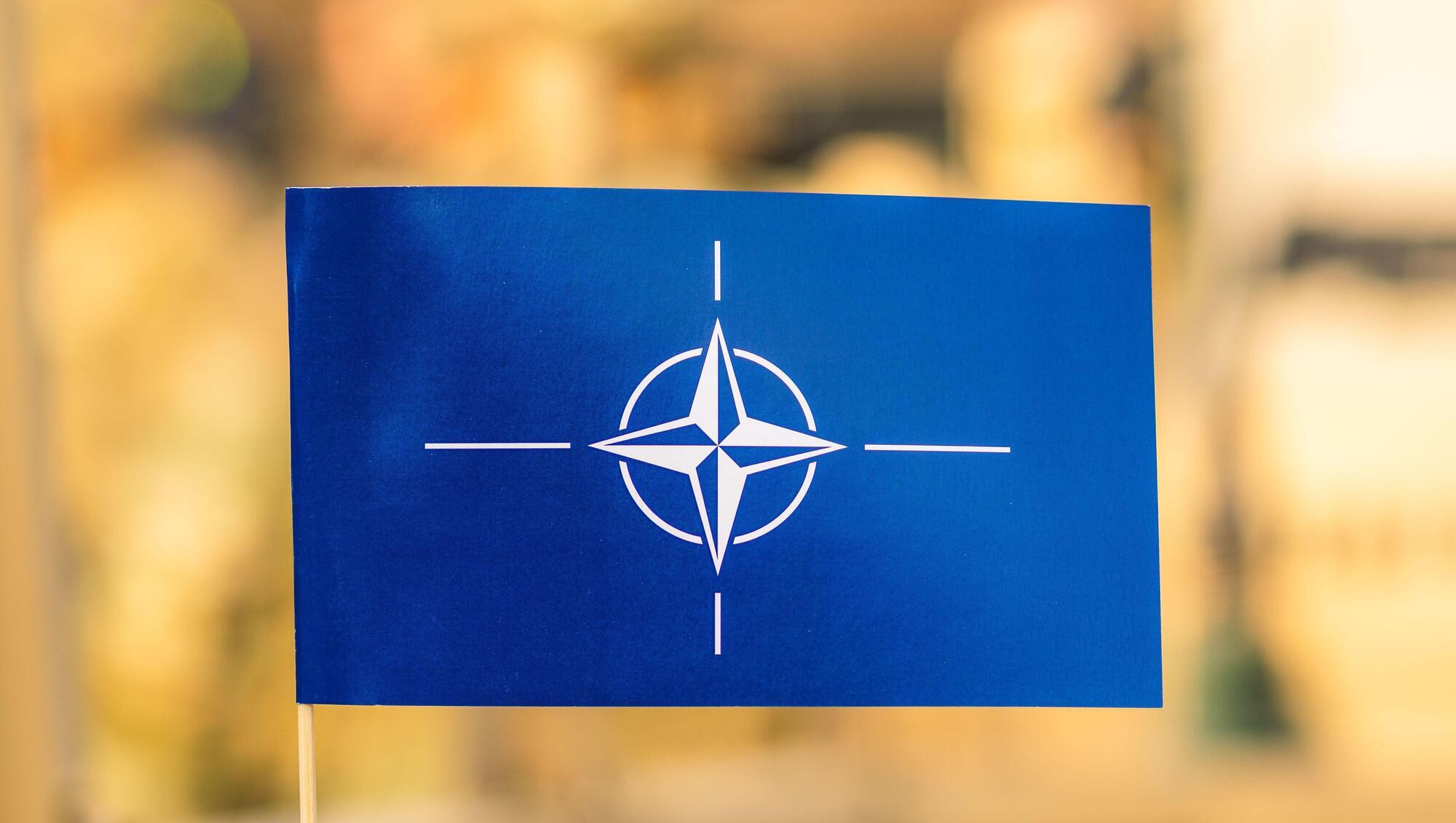
The Coalition of the Willing is not a formal military alliance like Nato. Rather, it is a political and military framework through which countries coordinate their support for Ukraine and plan for its future security. File picture
Taoiseach Micheál Martin will on Thursdayattend a meeting of the Coalition of the Willing in Berlin.
While the conversation around Ukraine was centre-stage at last week's European summits held in Dublin, Thursday's event will focus solely on the war.
But what is the coalition and what role does Ireland play?
The Coalition of the Willing is a group of countries committed to supporting Ukraine in its war against Russia and, crucially, helping to guarantee its security when the fighting eventually ends.
Established in March 2025, the initiative was led by Britain and France, with Germany and other European countries playing increasingly important roles. It has grown into a grouping of 36 countries, including EU member states and non-EU partners such as the UK, Norway, Canada, Australia and Turkey.
It is not a formal military alliance like Nato. Rather, it is a political and military framework through which countries coordinate their support for Ukraine and plan for its future security.
The central concern is that any ceasefire or peace agreement with Russia must be sustainable. There is little confidence that a ceasefire alone would prevent Russia from attacking Ukraine again.
Its work has three main dimensions.
First, it coordinates military, financial and diplomatic assistance to Ukraine, helping maintain the country's ability to resist Russian aggression. Second, it is developing security guarantees for Ukraine. These include long-term support for the Ukrainian armed forces, commitments to assist Ukraine if it is attacked again, and arrangements for monitoring a ceasefire.
Third, it is preparing a potential multinational military presence in and around Ukraine following an end to hostilities.
This military component is known as the Multinational Force-Ukraine (MNF-U). Led by Britain and France, it is intended to help rebuild and strengthen Ukraine's armed forces and provide reassurance through activities in the air and at sea.
Potentially, but there are important conditions. The multinational force would deploy only after hostilities had ceased, with the agreement and invitation of the Ukrainian Government.
It is not intended to be a conventional UN peacekeeping mission or a force responsible for monitoring the ceasefire. Its purpose is to provide reassurance, support Ukraine's military recovery and help deter further Russian aggression.
This month, thousands of personnel from participating countries are taking part in Exercise Koalicija in Poland, rehearsing the practical arrangements for a possible future deployment.
Ireland participates in the Coalition of the Willing's political discussions and has consistently supported Ukraine's sovereignty, independence and territorial integrity.
However, Ireland's position remains militarily neutral. The Government has indicated an openness to contributing to an appropriate peacekeeping or ceasefire-monitoring mission, subject to its mandate and the necessary national and international approvals.
The Taoiseach has distinguished this from participation in a military deterrence or enforcement force. Ireland's contribution is therefore more likely to involve diplomatic engagement, humanitarian assistance, civilian support and potentially peacekeeping.
The outcomes of the war will have consequences for European security, international law and the credibility of the international system.
Ultimately, the Coalition of the Willing is about ensuring that peace in Ukraine is not simply an end to the fighting, but a settlement that has a realistic chance of lasting.
- Paul Hosford is Deputy Political Editor.

BLACK FRIDAY
Already a subscriber? Sign in

CONNECT WITH US TODAY



Be the first to know the latest news and updates