'That’s when it actually hit me — this man is my father, this man is a paedophile'
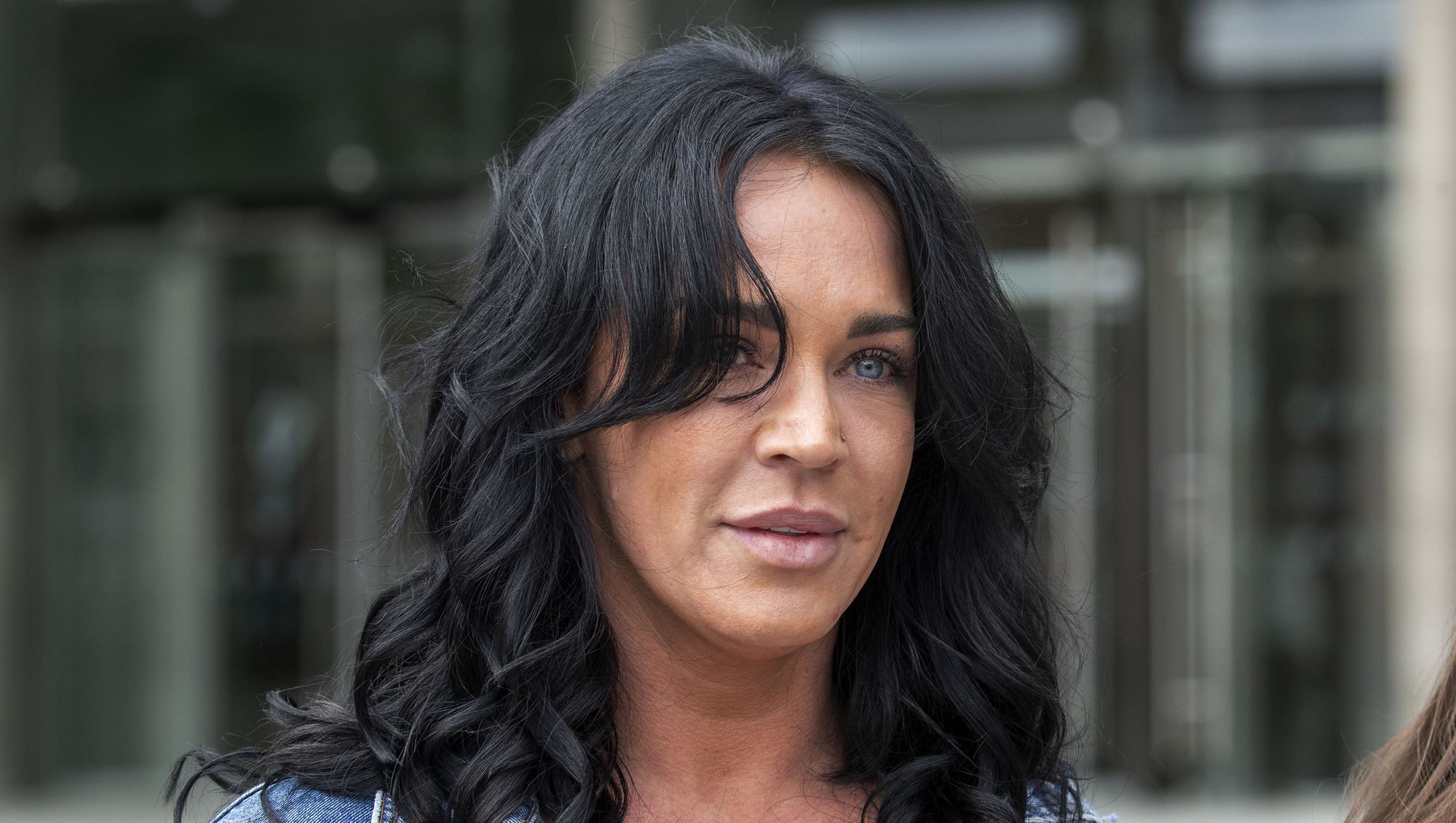
Sophia Murphy: 'I felt then that I needed to go to see him again because the first time I did restorative justice, I got some of the answers to the questions I had asked. He told me he was glad I had reported him.' File picture: Collins Courts
When Sophia Murphy last met her father, he asked her to pray with. She refused. At their previous meeting, he had asked her for a hug. Although the “little girl” in her wanted to do so, she didn’t.
John Murphy is not just any father — he is currently serving an 18-year prison sentence imposed in 2018 for rape and abuse of Sophia over a 13-year period that began when she was just three years old.
He pleaded guilty at the Central Criminal Court to the rape, indecent assault, and sexual assault of Sophia on dates between 1988 and 2001 at addresses in Mayo and Galway. He also pleaded guilty to another sexual assault of Ms Murphy in 2010.
The July 2018 ruling came just months after he had been sentenced to eight years for the sexual abuse of Sophia’s two younger sisters.
Read More
Following the sentencing for the crimes against her, Sophia waived her right to anonymity and subsequently took part in a podcast by Dublin sisters Paula, Joyce, and June Kavanagh, who had been sexually abused by their father Kevin, who was convicted in 1990.
The sisters told Sophia about restorative justice and put her in touch with a practitioner in the field, Marie Keenan, emeritus professor at University College Dublin.
The process allows victims and survivors to meet with the perpetrator of the crime committed against them, to discuss and address the issues arising from the crime.
It is a voluntary process and only takes place when both sides agree to participate. Sophia’s father agreed to meet her, leading to two meetings between the father and daughter in prison — in 2023 and in December 2025.
Sophia had never heard of restorative justice before. “I didn’t have a clue what it was," she says.
"When I first agreed to it, part of me really was that little girl who wanted to go in and see her dad too. That was a bit exciting as well as mad as that sounds. That was why I needed to go back the second time so I could mute her (the little girl).”
Following those two meetings with her father, she has no plans to see him again, saying there is no more she can learn from him.
“The first time I went in, before I left, he asked me for a hug. Part of me wanted to hug him but that was that little girl in me who wanted to hug her dad.
"The second time, he didn’t even ask. He asked for a prayer but I said no. I do believe in a higher power and I believe in a god but I wasn’t going to sit there and share that energy and open up that part of me with him because that is sacred energy.”
Sophia believes that she was not ready to engage properly in the process the first time as she had not undergone much counselling and feels she was lacking the confidence and awareness that she had when she went to meet him last December.
“Counselling definitely gave me more confidence and more awareness," she says.
"I felt then that I needed to go to see him again because the first time I did restorative justice, I got some of the answers to the questions I had asked. He told me he was glad I had reported him.”
She continues: “He had a priest in with him, I had Marie Keenan and the probation officer. They disappeared and all I could see was me and him in that room. That’s when it actually hit me that this man is my father, this man is a paedophile.
"I have always known it but I had never felt it until that time. I really felt it and then when we were leaving, he asked could we say a prayer together." Sophia says she was taken aback by the request.
In recent days, she has returned to counselling again. “I was sitting on the couch a few days ago and I had this realisation that I share the same DNA as that man and it really hit me," she says.
"I needed to go back to my counsellor because I am feeling really close to him again, he has come to the forefront of my mind.
“When you hold it in, I am trying to make sense of something that is not mine. I will never make sense of why he did what he did or why my mother did what she did.”
Sophia's mother Jacqueline Curran was sentenced last March to 18 months in prison after pleading guilty to two charges of historical child neglect arising from her failure to prevent persistent abuse carried out by her husband, John Murphy. Sophia again waived her anonymity in the case.
She has not entered a restorative justice process with her mother. “She got a short prison sentence and when they were reading out her probation report, it said she showed no remorse and when I did it with my father, he was longer in prison and he held his hands up and pleaded guilty from the start.
"She dragged it out til the very end.”
Following the March sentencing, Sophia went through a tough period. “Out of nowhere, my eating disorder started playing up on me — the grief, the sadness, the frustration for a woman that I loved, I still love. She is my mom. But all she had put me through.”
Sophia adds: “In March, I was just sitting there thinking, ‘Oh my god, both of my parents are in jail for torturing me as a kid, how did that happen? How did my life get here?’"
Sophia is acutely aware of how her background differs from that of most people, and of the impact it has had on her own child.
“I can’t even say to my daughter did she call into nana and granda today? The simple things, the things people take for granted.
"Even after everything my parents put me through and all the pain they caused me, if I could go back and live my life with them again and they not do that to me, I would do it.
"I would like to try it once and for it to be happy because I still have love for them.
Sophia continues: “I tell myself that what happened to me was not personal. Because no matter what child went into that home, they were abused. I have to tell myself this happened for a reason. What the reason is, I don’t know.
"But I work with people, I am a coach and I work in recovery and as a personal trainer and I want to study psychology and eventually work with children but I don’t think I would have wanted to do any of this if I didn’t go through what I did.
"It is creating me into somebody I would have looked up to.”
Sophia adds without hesitation: “I am never not going to be this person, I am always going to be healing because this is part of my life and I have come to accept that and I have come to accept that the bad days create the good days. If I didn’t have the bad days, I wouldn’t be grateful for the good days.”
On Wednesday, she will accompany Marie Keenan and Dr Ian Marder of Maynooth University in Brussels to present at an event organised by the European Forum for Restorative Justice. She will take part in a session on the value of restorative justice in dealing with perpetrators of sexual crimes.
She is doing it because she wants others to learn from her experience of restorative justice.
“That knowledge about restorative justice should be shared because people don’t know what the room is going to be like, people don’t know what the preparation is going to be like, people don’t know what that feeling is like when you walk into the room, if someone doesn’t tell them," says Sophia.
"I have the ability to be able to do so, so why not?
"When it first came out about my dad, I was looking online for someone to talk to and this was 11 years ago. I couldn’t find anyone because social media wasn’t as big back then as it is now either.”
Sophia is a strong advocate for restorative justice, believing from her own experience that it helps give victims and survivors their power back.
“You can go through any court system, go through anything, but the power of sitting in front of that person in a safe space…. I thought I had found my voice the day I came out of court and waived my right (to anonymity) but to sit in front of him and give it back to him, there are no words to describe it. You can walk out the door with your head held high.”

CONNECT WITH US TODAY



Be the first to know the latest news and updates