Ireland is tightening its citizenship rules — but what happens to people already living here?
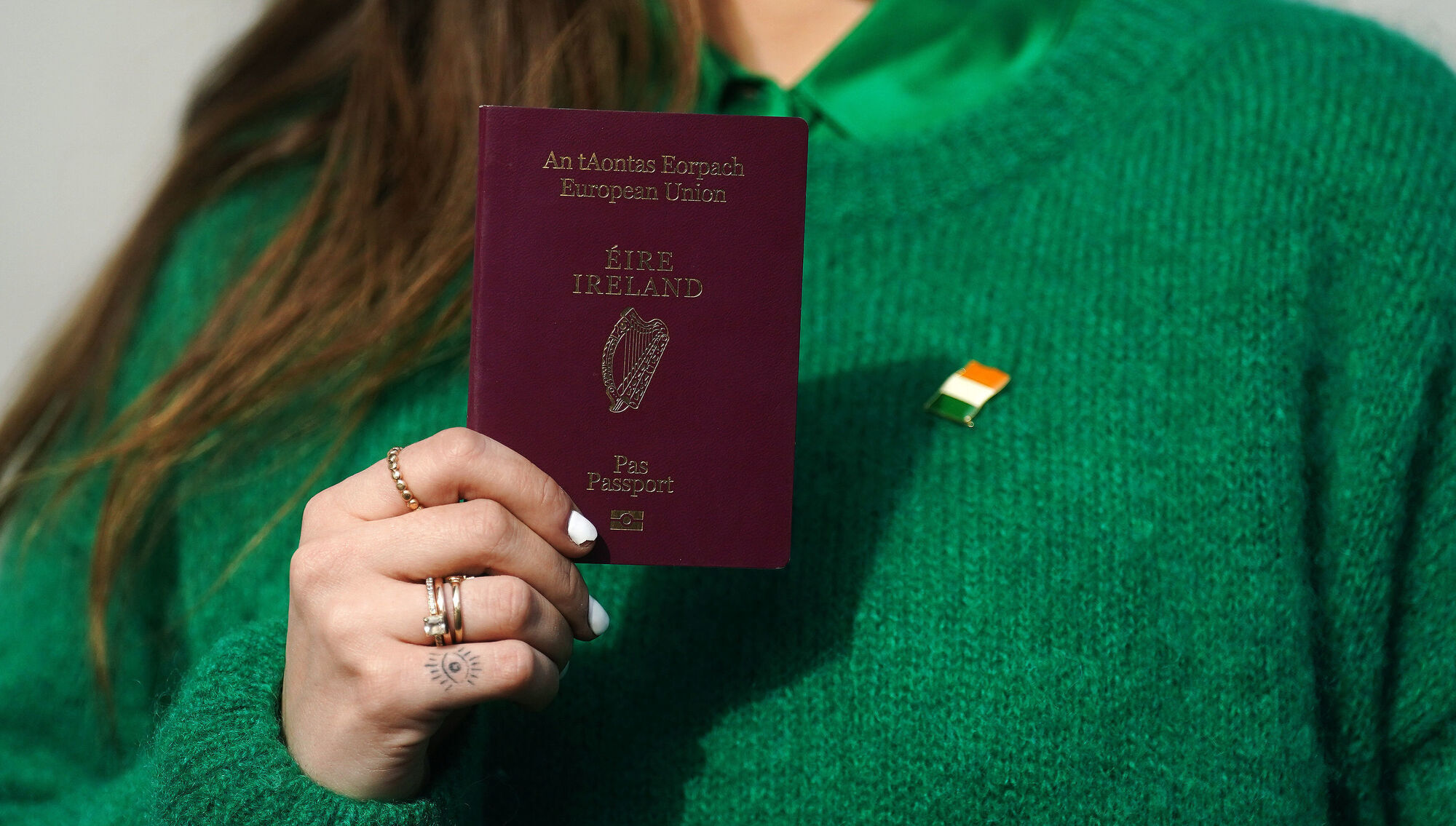
Ireland plans major changes to citizenship applications, including an eight-year residency requirement, new language and civics tests and stricter rules for spouses. File picture: Brian Lawless/PA Wire
Just days before the new Dáil term began, justice minister Jim O’Callaghan announced plans for the “biggest reform” of the citizenship application process in a “generation”.
He argued that Ireland was an outlier when it came to citizenship applications and was less strict than our European counterparts.
The Government plans to have the new laws enacted by the end of the year and has warned aspiring citizens that if they do not have their applications submitted by the time the rules change, they will be subject to the stricter new regulations.
One of the changes will see those applying for citizenship taking a language proficiency test in English, Irish, or Irish sign language. Provisions will be made for vulnerable applicants. Currently, Ireland is the only country in the European Union not to have such a test.
In addition, a new civics test will be introduced, requiring people to show an understanding of Irish politics and society.
The biggest change, however, is the change to the reckonable residency rules.
Read More
Under the current system, people must be able to prove that they have lived in Ireland for five years to be eligible for citizenship. The last year must be “continuous residence”, with people being allowed to be out of the country for just 70 days.
Under Mr O’Callaghan’s proposals, the five-year reckonable residency requirement will increase to eight years, with the final two years being continuous.
Some 11 of the 27 EU countries require five years of residency — Ireland, France, Portugal, Belgium, Bulgaria, Croatia, Germany, Latvia, Luxembourg, Malta, and the Netherlands. Poland requires three years of residency.
Cyprus and Greece require seven years. In Croatia, Estonia, Finland, Hungary, Romania, Slovakia, and Sweden, eight years of residency are required. Just five require 10 years of residency — Austria. Italy, Lithuania, Slovenia, and Spain.
However, in some countries, this period can be reduced, depending on the applicants’ background and skills.
Irish legislation does not currently contain any specific grounds for reducing the proposed eight-year residency requirement for some applicants.
In addition to changes to residency requirements, the requirements for spouses of Irish citizens applying for Irish citizenship will also change.
The applicant must be married to or be in a civil partnership with an Irish citizen for five years, rather than three years as set out under existing legislation.
They must also have five years of residency, with the final two years being continuous.
There is cross-party opposition to the proposed changes to the residency requirements, with all parties in the Dáil last month calling for “transitional protection” to be introduced "at a bare minimum" for people who have been living in Ireland for several years.
The issue will be debated again when pre-legislative scrutiny starts at the Oireachtas Justice Committee.
- Louise Burne, political correspondent













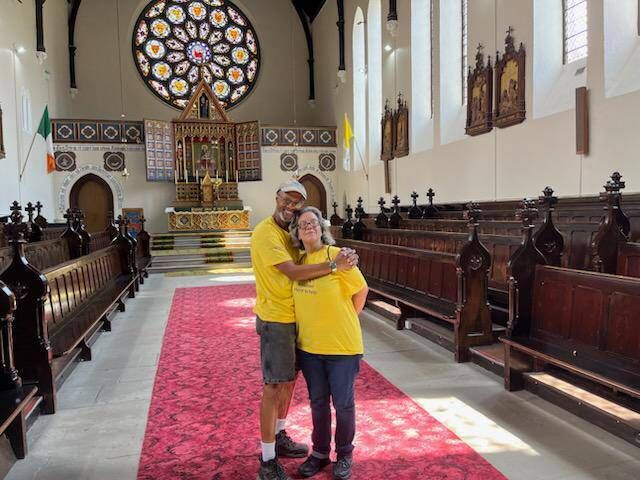
An American couple has questioned why the Government is changing its citizenship application process when it cannot process other immigration matters promptly.

CONNECT WITH US TODAY



Be the first to know the latest news and updates