Parents paid out €116m in five years for ‘free’ schooling
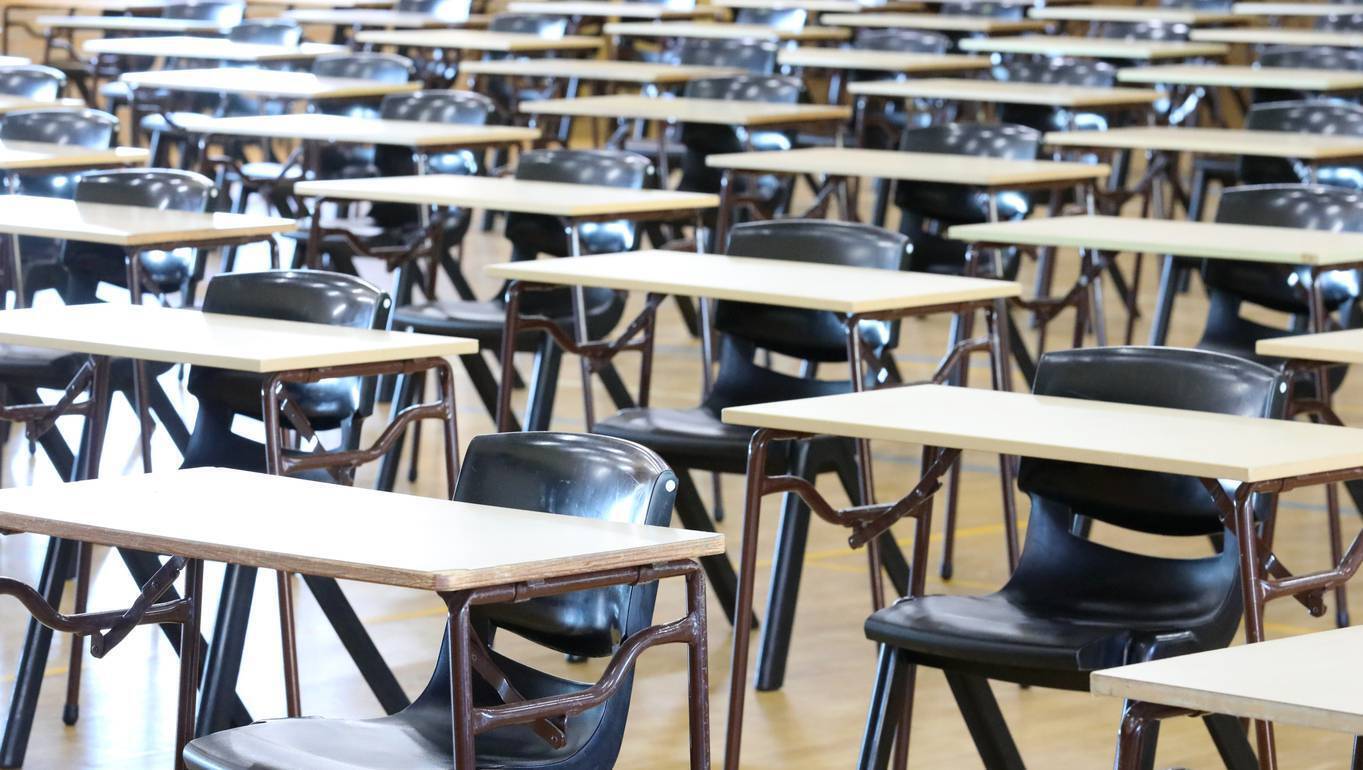
The massive spend has yet again prompted questions as to how the education system can be described as 'free' — as well as demands that the Government properly fund schools. Picture: iStock
Parents funded the country’s education system to the tune of over €116m in voluntary contributions in just five years.
The massive spend has yet again prompted questions as to how the education system can be described as “free”, as well as demands that the Government properly fund schools.
Between September 2020 and June 2025, schools recorded receipt of voluntary contributions totalling €116,609,799. This included more than €24.1m received in the 2024/25 school year.
Cash-pressed schools often turn to fundraising or voluntary contributions from families to plug funding shortfalls.
In its back to school survey for 2026, children’s charity Barnardos found the average amount asked for by schools was €83 in primary and €128 in post primary.
More than 80% of parents told the survey their child’s school requested a voluntary contribution. Two thirds of primary (67%) and 69% of secondary school parents said the payment did not feel voluntary.
In 2020/21, over €22.8m was received in contributions, figures from the Department of Education show.
This stood at €23.1m in 2021/22 which then rose to €23.6m in 2022/23. In 2023/24, €22.7m was recorded in voluntary contributions.
The amount received for 2025/26 is not yet available.
The figures were released to Labour’s education spokesman and TD for Cork North Central, Eoin Kenny, under a parliamentary question.
Read More
“We call education free in this country, yet parents have contributed over €116m to schools in just five years. That should be a wake-up call for the Government,” he said. “Schools and principals are not to blame. They are doing their best with the resources available, but it is simply not fair that parents are being asked to put their hands in their pockets year after year.
“Even when these contributions are described as voluntary, many parents feel under pressure to pay, particularly when they know their child’s school needs the money.
“The Government needs to properly fund our schools, increase capitation, and bring an end to the reliance on voluntary contributions. Free education should mean free education, regardless of a family’s financial circumstances.”
Budget 2027 included a €17m increase in the capitation grants paid to schools.
The primary school management bodies joined forces in September, presenting minister for education Hildegarde Naughton with financial analysis that found a significant number of primary schools ran a deficit last year.
Educate Together, An Foras Pátrúnachta, Church of Ireland Board of Education, Catholic Primary Schools Management Association, Education and Training Boards Ireland, Fórsa, Irish Primary Principals’ Network, Muslim Primary Board of Education and the National Association of Boards of Management in Special Education made the joint call.
It came as primary schools continue to face significant increases in the cost of running their schools.
Analysis by independent consultants Verecon found that 71% of primary schools in Ireland ran a deficit last year, with the average school recording a capitation-related deficit of €8,288. The analysis also found that 40% of schools relied on voluntary contributions to help meet their running costs.
In response to Mr Kenny’s parliamentary question, Ms Naughton said voluntary contributions are “permissible provided it is made absolutely clear to parents that there is no requirement to pay and that, in making a contribution, they are doing so of their own volition”.
“The manner in which such voluntary contributions are sought and collected is a matter for school management, however their collection should be such as not to create a situation where either parents or pupils could reasonably infer that the contributions take on a compulsory character.”
She added: "The Department’s position is that voluntary contributions must remain voluntary in nature and that no pupil should be disadvantaged, either directly or indirectly, where a parent chooses not to make such a contribution.”
- Jess Casey, Education Correspondent

CONNECT WITH US TODAY



Be the first to know the latest news and updates