Mick Clifford: The past for Fianna Fáil was glorious, the future bulges with uncertainty
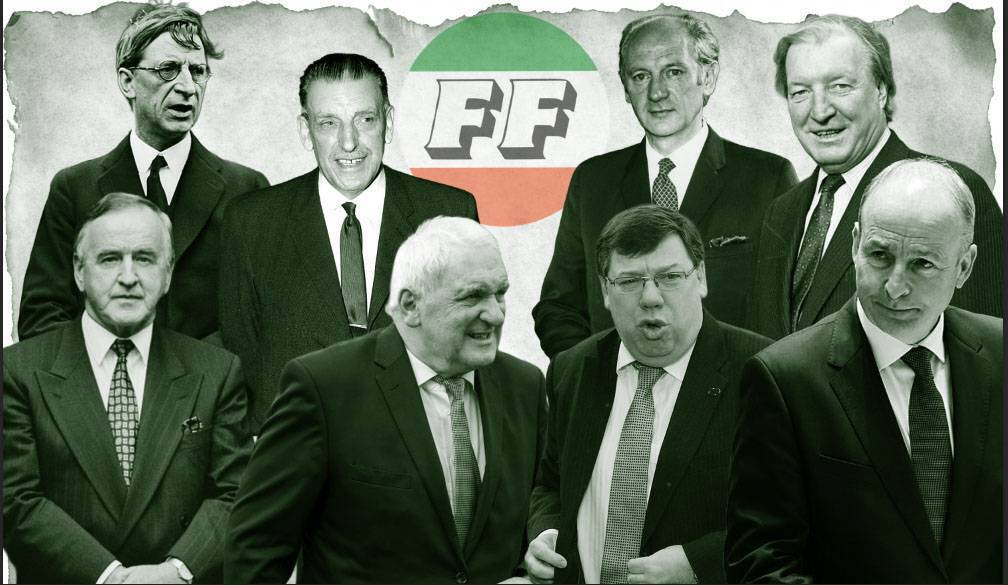
100 years of Fianna Fáil.
The two men stepped out of Rathmines Town Hall, defeated, or at least repelled.
It was March 1926, and Éamon de Valera had just been rejected by the party he led.
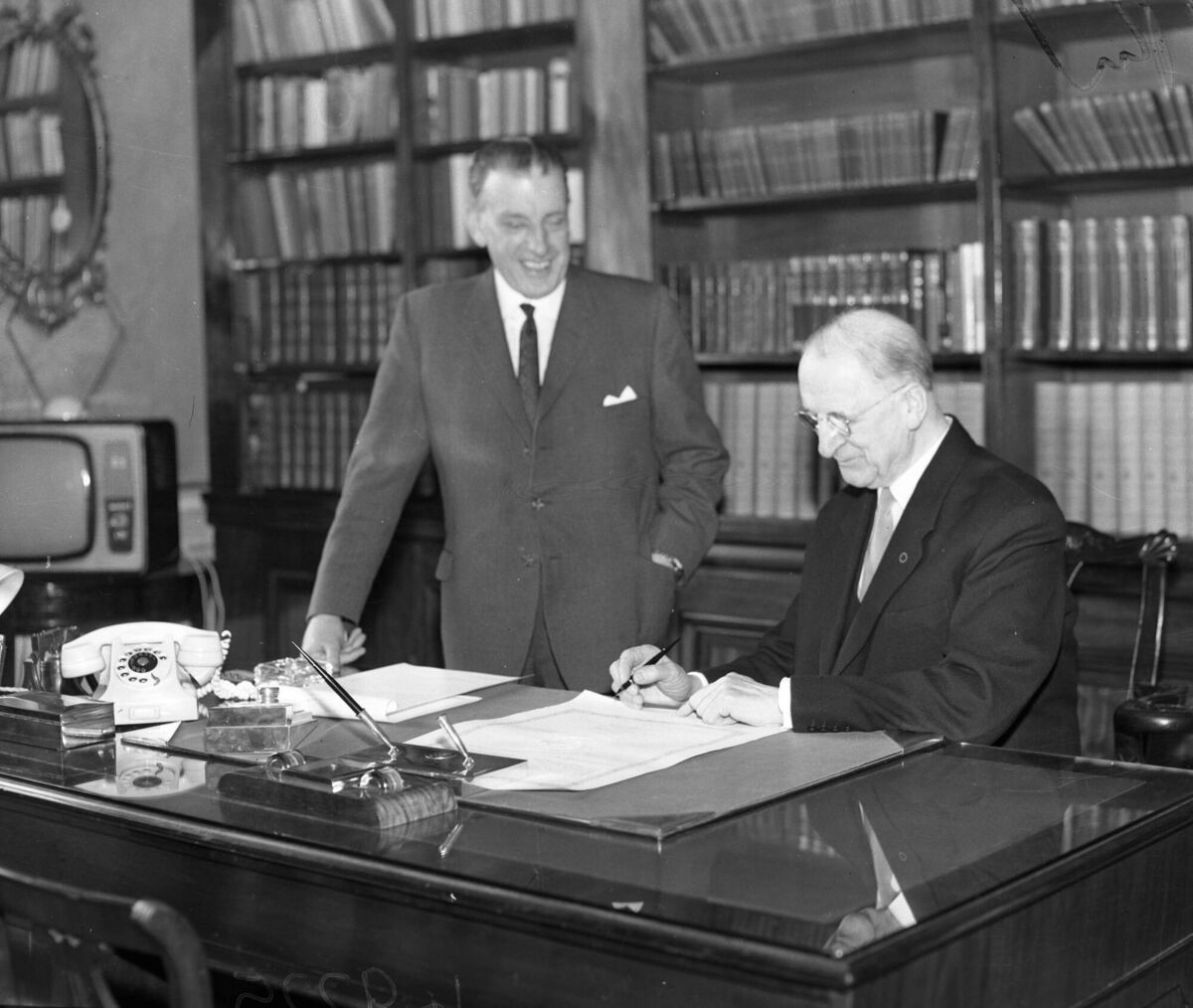
He resigned and left with allies. At his side, as he stepped away from the past and into an uncertain future, was Sean Lemass.
They were leaving a meeting of Sinn Féin in which Dev’s proposal to contest elections was narrowly defeated.
After spending a year in prison he had attempted to get control again of Sinn Féin, or at least the rump of it that had backed the anti-treaty side.
Read More
He knew that there was only one way forward, that the treaty was here to stay and it had to be tackled from inside the tent.
Both men wanted to move directly into constitutional politics.
In effect, Dev wanted to do what he could have done some four years earlier and prevented, certainly in scale, the ruinous civil war that almost smothered the new state in childbirth.
But the majority in the remaining Sinn Féin party were against the idea.
He narrowly lost the vote. As far as they were concerned the state was illegitimate and must not be recognised.
Dev, with his heightened political antenna, knew this would lead on the road to nowhere.
Many years later, he would claim that as he and Lemass left the meeting, in effect leaving Sinn Féin, they had a brief conversation.
“Now Sean, I have done my best but I have been beaten,” Dev said. “Now is the end for me, I am leaving public life.”
Young Lemass was having none of it.
“But you are not going to leave us now Dev at this stage. You cannot leave us like that. We have to go on now. We must form a new organisation.”
Take what you will from that version of their exchange.
It certainly feeds into the self-image of Dev as the reluctant leader who only served in order to save Ireland.
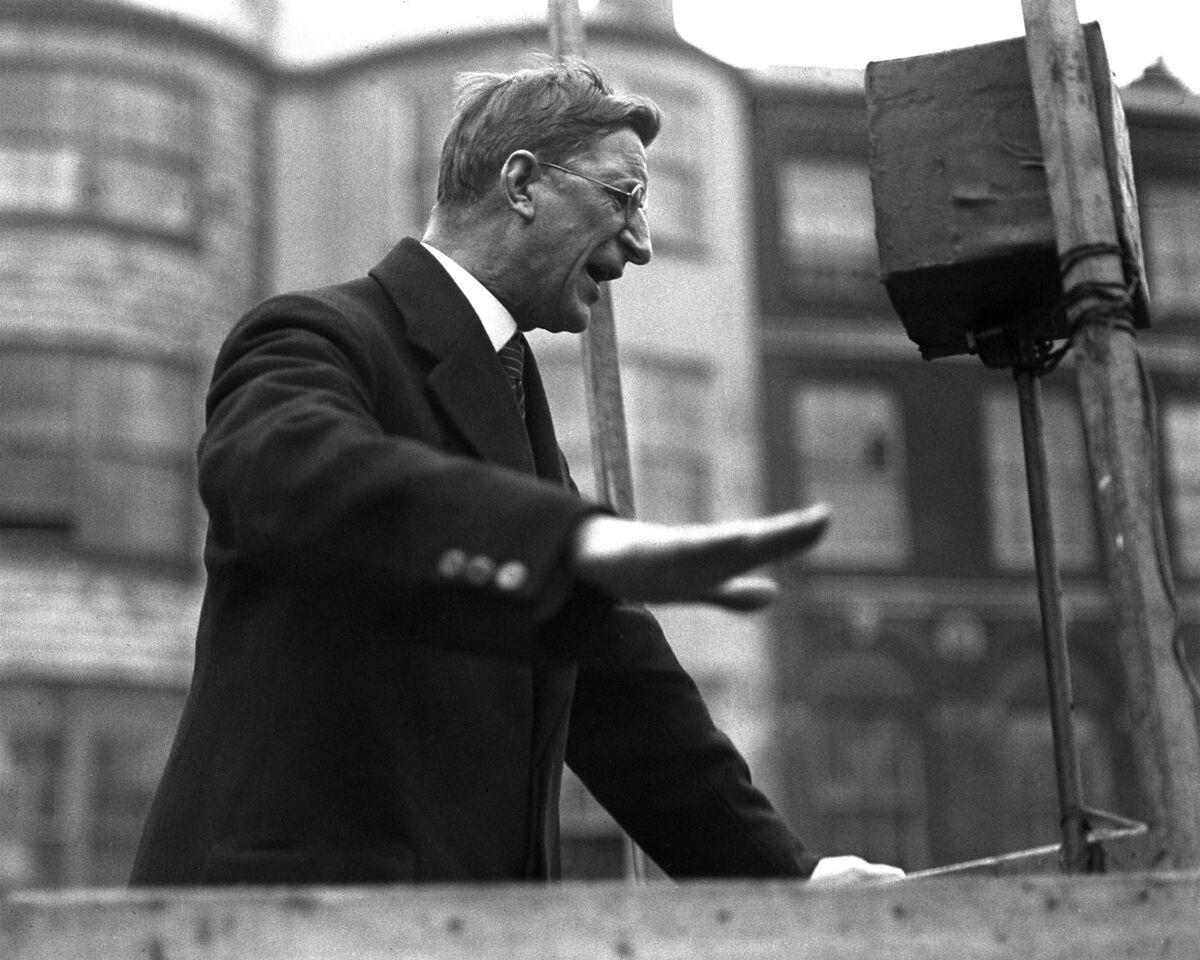
Far more likely, he had expected the defeat in the vote that had taken place, or at least planned for the eventuality.
One way or the other, within two months, a new party was formed, led by Dev, who in some ways, considered himself the torch carrier for the spirit of the nation.
On May 16, 1926, Fianna Fáil was born in a meeting in Dublin’s Mansion House. Dev and Lemass would together account for the leadership of the party for the next 50 years.
In 1926, Lemass was the father of a nine-month-old daughter, Maureen, who would go on to marry another future carrier of the flame, one Charles Haughey.
Haughey's tenure as leader would last 12 years and cover the early decline of a party that dominated the state for its first 80 years.
In 1926, the country was, in some ways, waiting for Fianna Fáil. The pro-treaty side that had won the civil war and formed Cumann na nGeadheal was unloved.
Dominated by conservative figures, they had a tough job getting the new state off the ground.
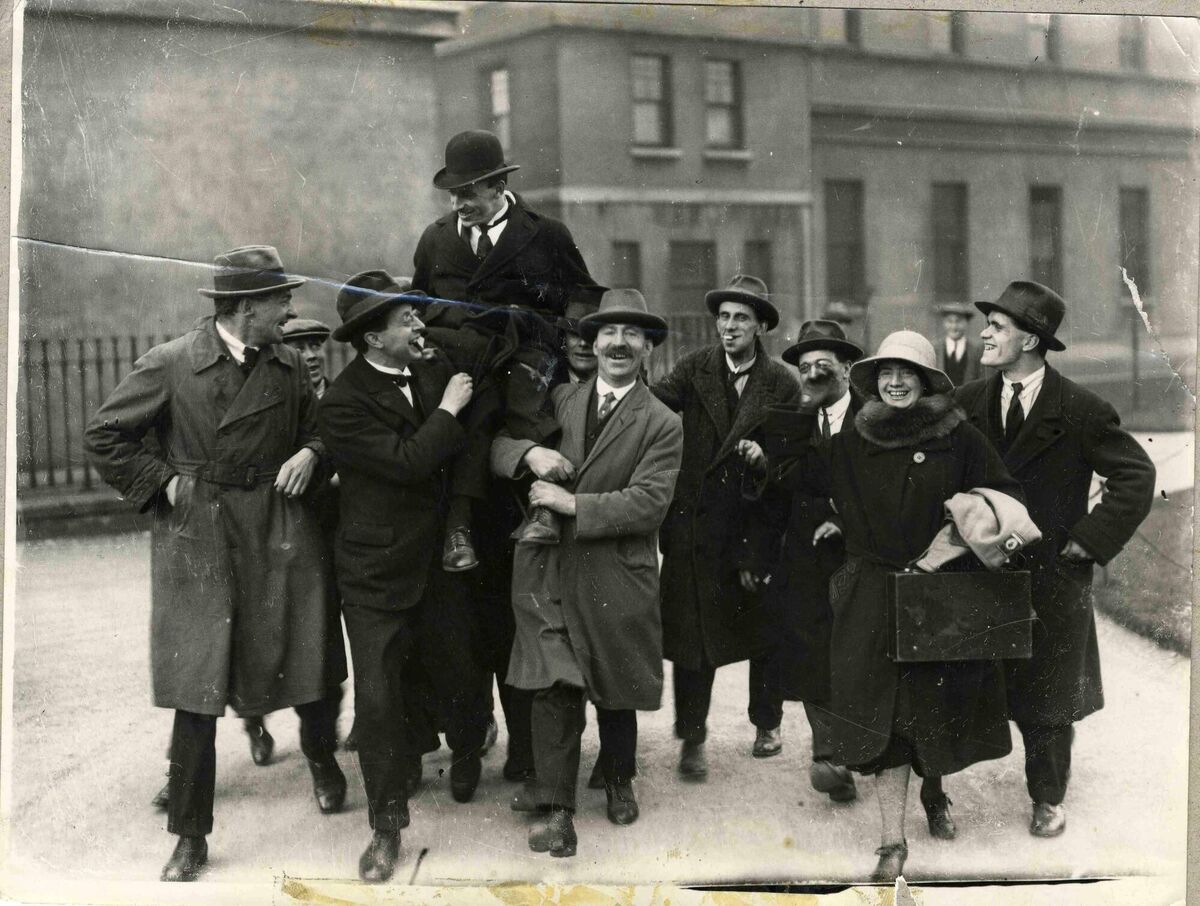
Those at the lower reaches of society were, to a large extent, neglected. The promise that independence had brought remained to be fulfilled.
Finding a new leader to beat a different path, one that kept faith with the Church and didn’t lurch into socialism while still appealing to the vast working class, was never going to be easy.
But there was one man, notwithstanding his role in fomenting the civil war, who could fit the bill. Dev had charisma and smarts and a history that included a role as a commandant in the 1916 Rising.
Those around him, like Lemass, knew all this. Far more importantly, he knew it himself.
Even before officially launching the new party, Dev had set out what Fianna Fáil’s basic creed would be. There were five aims, he told a representative of the US agency the United Press in April 1926.
These were:
- Securing the political independence of a united Ireland as a Republic.
- The restoration of the Irish language, and the development of a native Irish culture
- The development of a social system in which, as far as possible, equal opportunity will be afforded to every Irish citizen to live a noble and useful Christian life.
- The distribution of the land of Ireland so as to get the greatest number possible of Irish families rooted in the soil of Ireland.
- The making of Ireland as an economic unit, as self-contained and self-sufficient as possible — with a proper balance between agriculture and the other essential industries.
These aims, he said, were rooted in a basic conviction.
“That in the heart of every Irishman there is a native undying desire to see his country politically free, and not only free but truly Irish as well and that the people recently divided are but awaiting an opportunity to come together again to give effective expression to that desire," he said.
Notably, Irishwomen, given the nod in the 1916 Proclamation, no longer featured in such declarations. And so, Fianna Fáil came into being.
A quick perusal of the five aims laid out reveals that in terms of achieving what it set out to do, the party was a disaster.
Some of the aims were simply unachievable, such as the first one.
Dev’s attempts to claim the fourth green field for the remainder of his life tended to involve pretending it wasn’t there at all.
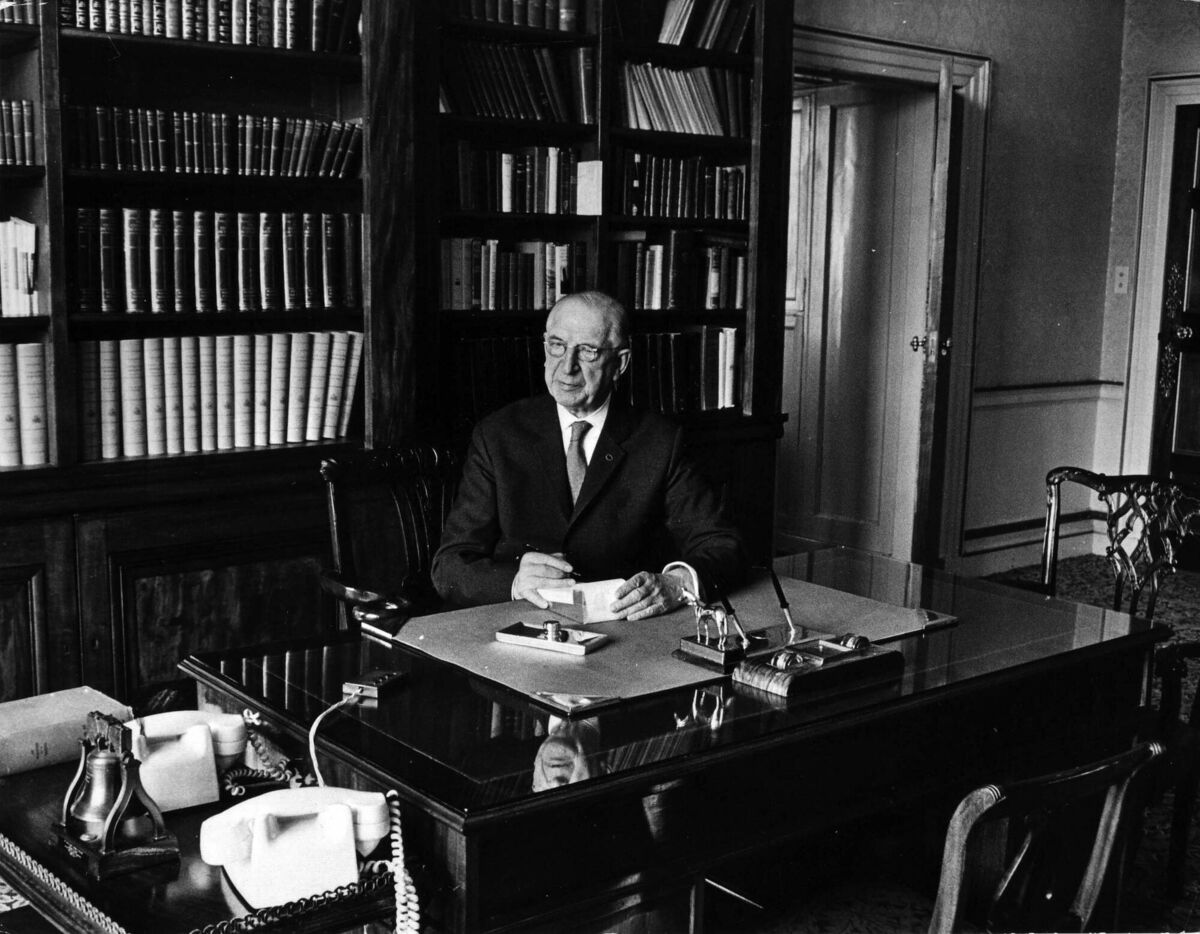
The other aims were all attempted to greater or lesser extents over the following decades, but none were a roaring success.
What matters more though is the capacity to chime with an electorate.
And Fianna Fáil’s electoral fortunes for 80 years could be measured favourably against equivalent entities across the democratic world.
The party contested the June 1927 general election winning 44 out of 153 seats.
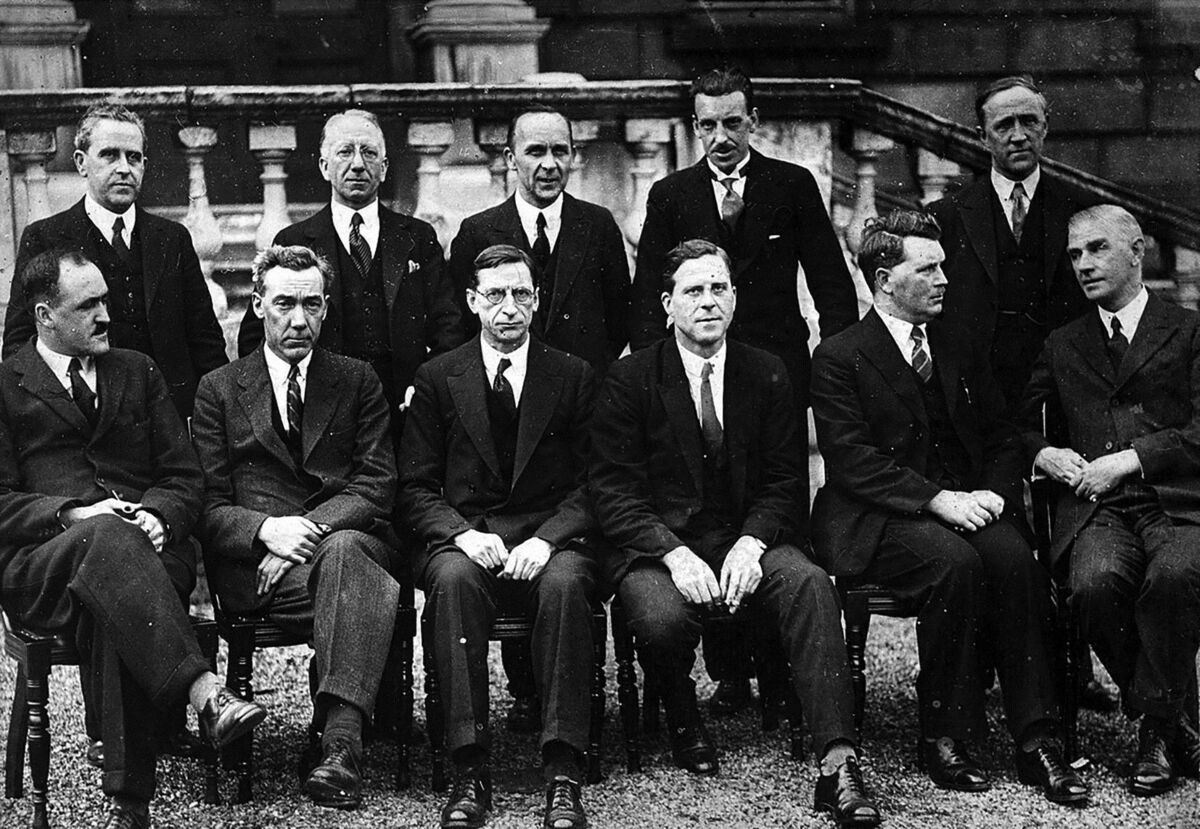
Afterwards, Dev and his followers walked to the gates of Leinster House and were refused admission when they said they would not sign the oath of allegiance.
A few months later a shocking murder was to perversely deliver to Dev his opening in parliamentary politics.
The minister for justice Kevin O’Higgins was shot dead by IRA men in Dublin on his way to mass.
As part of the subsequent crackdown, WT Cosgrave’s government made it a condition of running for the Dáil that candidates must be willing to sign the oath.
Fianna Fáil increased its compliment to 57 in the election of September 1927, and Dev swallowed his pride and signed. If only he’d had such foresight a few short years earlier.
In 1932, the party gained office for the first time, precipitating a transfer of power that some believed would never happen.
In other countries at that time, fascism was on the rise but Cosgrave was never going to attempt to hang on to power.
Later that year, Dev called another general election, this time gaining an overall majority.
And from then until 2011, Fianna Fáil remained the largest party in the state.
Over the period, Diarmuid Ferriter writes in his book , the party’s “record in general elections was 45% of the vote over 24 general elections”.
This level of success made it “populist but not a vehicle for the advancement of socialism despite the accusation of the Labour party leader Thomas Johnson that it had drawn 12 of its 15 manifesto pledges from earlier Labour programmes.”
In some ways, it might be posited that Fianna Fáil was the party that saved, or deprived, the country from socialism.
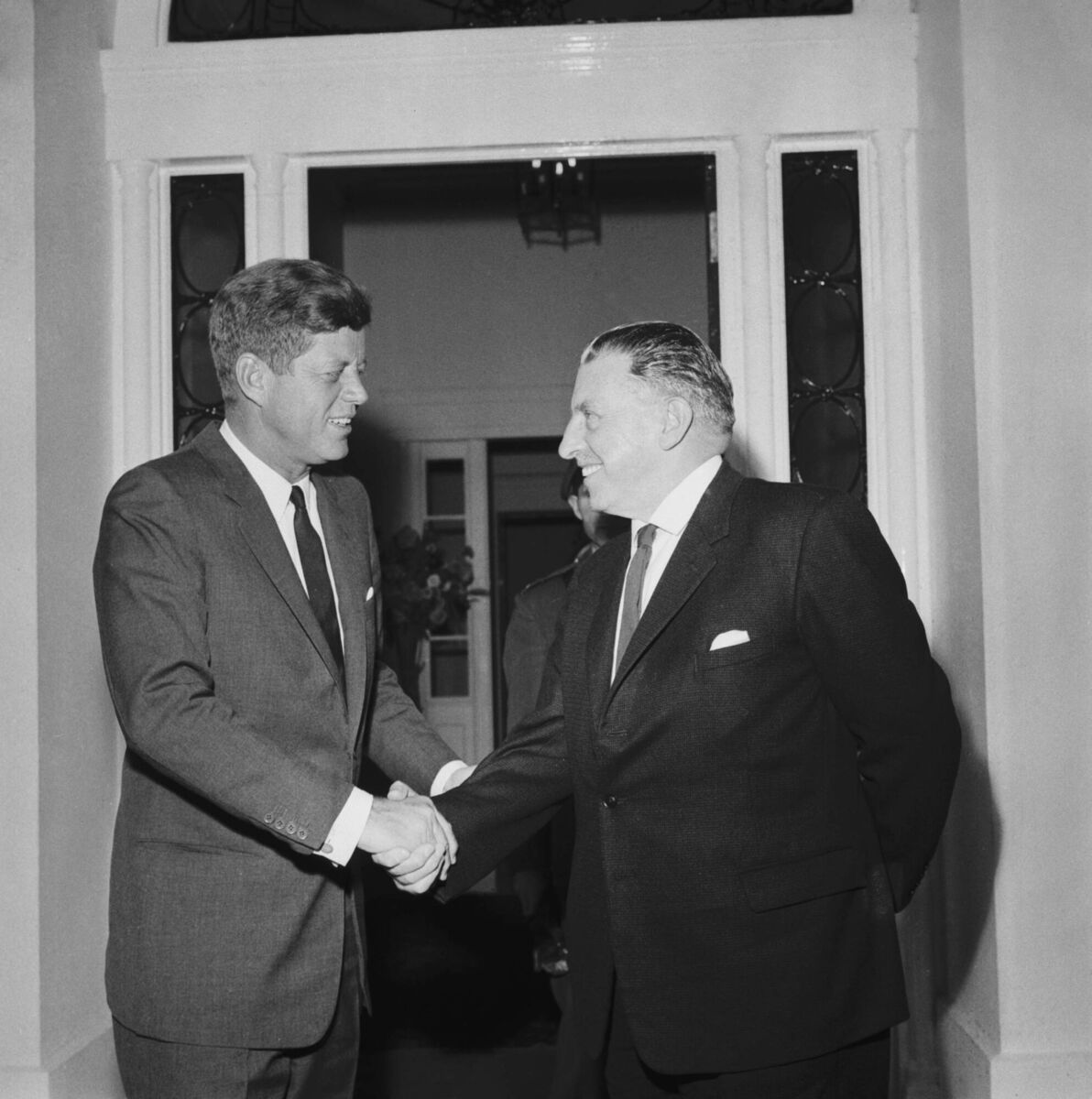
As politics across Europe and beyond divided into left and right, the Soldiers of Destiny kept governing from the centre.
As pointed out above, they borrowed hugely from the economic goals of the Irish Labour party and in doing so corralled both the urban working class and the rural poor.
For most of the century, those cohorts flocked to Fianna Fáil rather than the party that claimed to properly represent their interests, Labour.
The party was for the men of no property, the small farmer, the urban working class.
It also, through Dev’s personality and its nationalist hue, attracted a large chunk of other cohorts right across the socio-economic spectrum.
Along with that, it was highly organised into cummans, across the whole of society, up and down the state.
The level of organisation meant that it was truly connected to every facet of life, urban and rural.
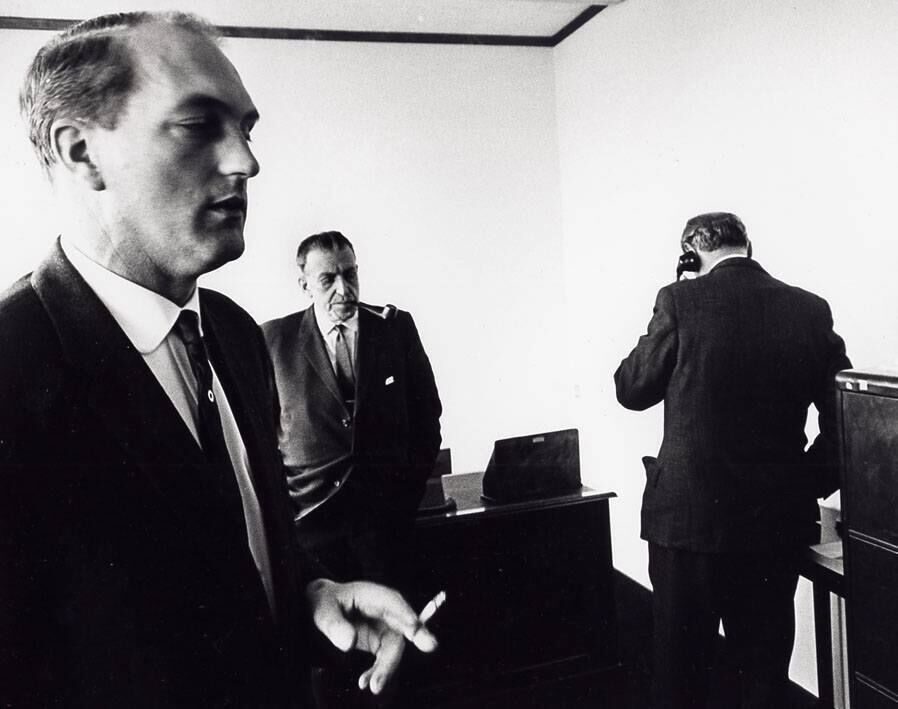
During the lacunas of the middle and late 20th century when Fianna Fáil was out of power, it was replaced by a coalition of Fine Gael and Labour.
The nature of the respective constituent parties, pulling left and right, resulted in those coalitions also governing from the centre.
Arguably, all of that was down to Éamon de Valera.
While he presented as an austere figure, he did, soon after assuming power, succumb to one act of undoubted and far-reaching corruption.
Using money raised in the USA for the nascent Irish state up to a decade earlier, he set up a newspaper as a vehicle to promote his party’s message.
The was a huge help to the party in the early days and would over time morph into an excellent newspaper in its own right.
But the newspaper group, which for decades was highly profitable, ended up being owned by the de Valera family. It was a stroke that in today’s world might draw comparisons with Donald Trump or Victor Orbán.
Then there was the fourth green field.
A chance arose to finally unite the island with a tentative offer from the British to accommodate crown forces during the Second World War.
Dev was understandably wary of the offer, particularly as it hadn’t the seal of approval of unionists.
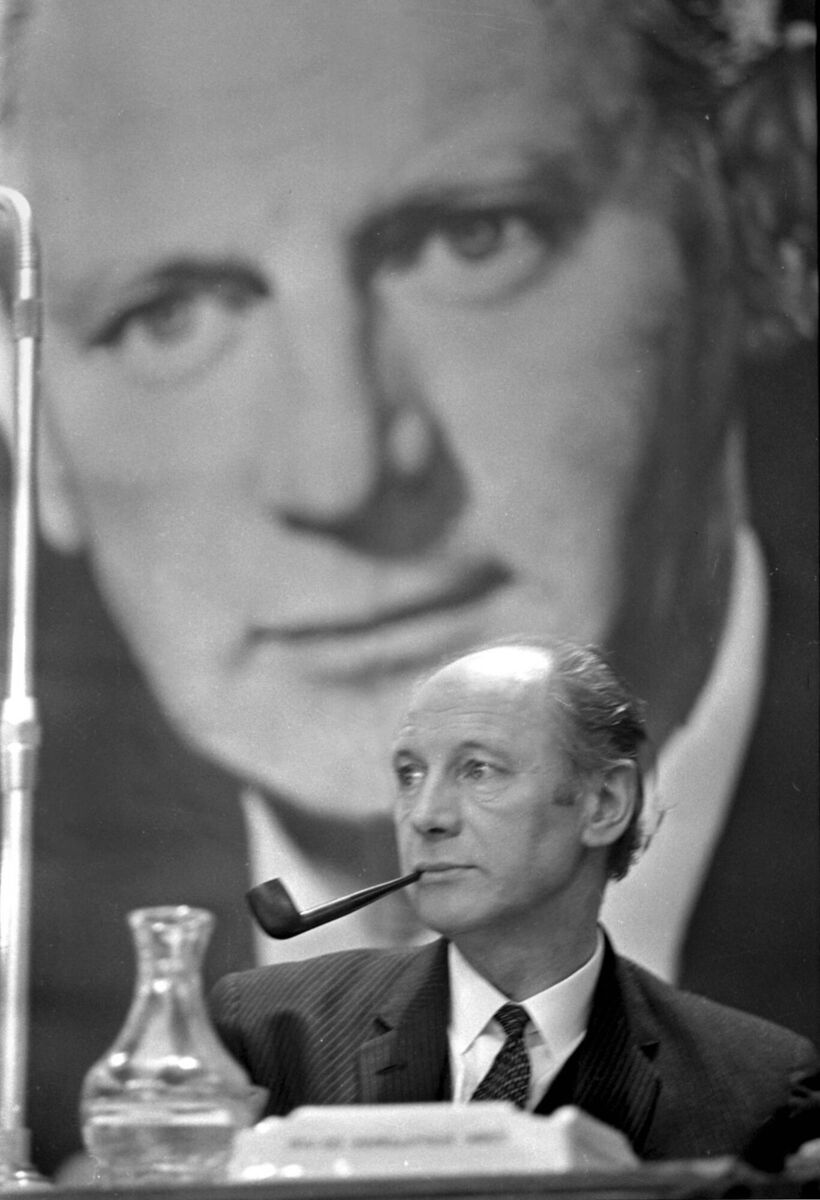
In his book , David McCullagh writes that Dev tackled the issue head on at the party’s 1943 ard fheis when he again said that ending partition was his outstanding political objective.
However, there were, he said “prices which we are not prepared to pay even for the abolition of partition".
"We have a right to unity of our country, and we have a right to the independent action of our people also. We are not going to sacrifice one of these rights in order to obtain the other. Both are due to us," Dev said.
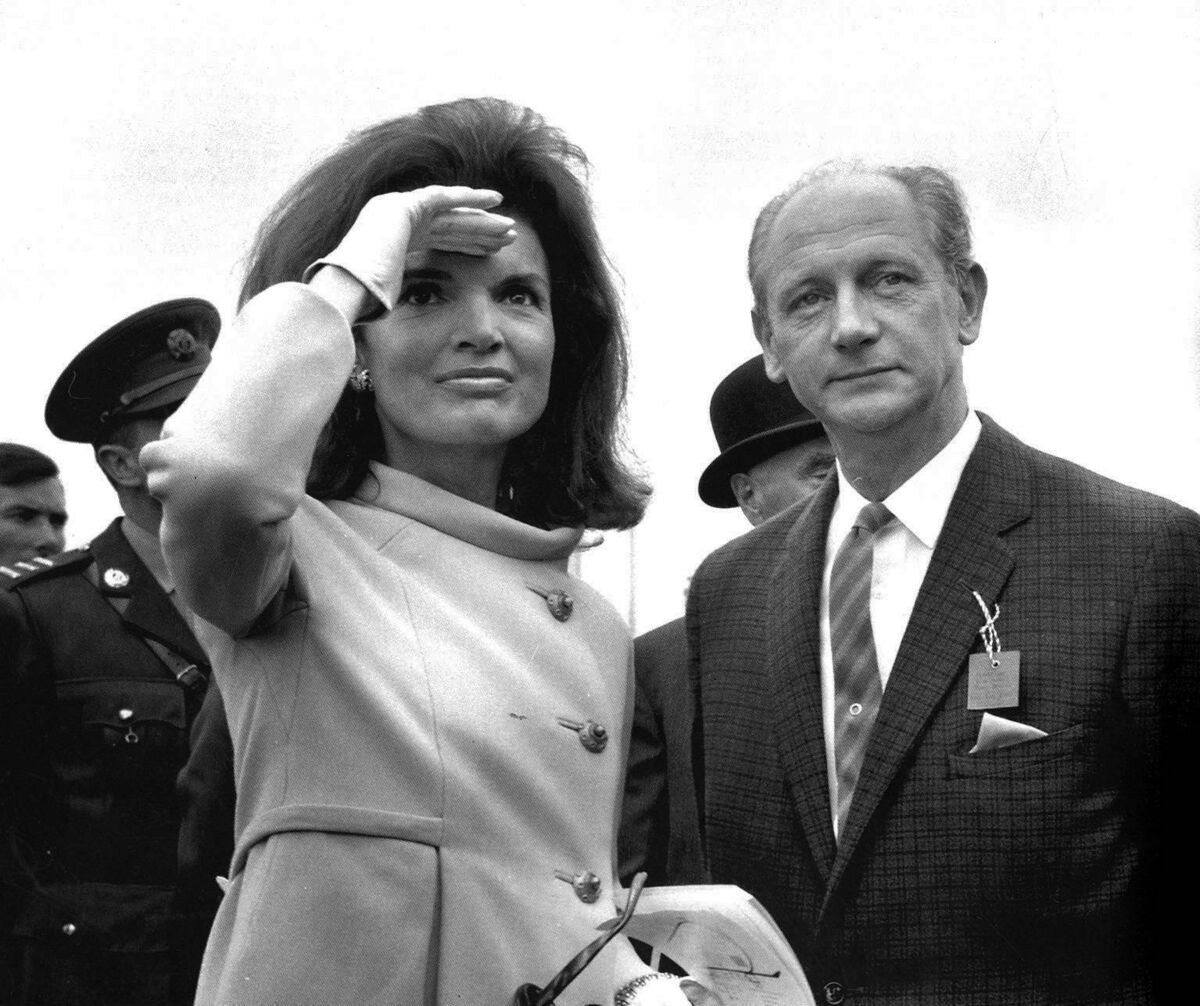
So repeatedly went his attitude to the North and so it would continue all the way to the late 1960s when the statelet exploded under the strains of sectarianism.
It remains a contested aspect of Dev’s leadership of Fianna Fáil as to whether the state could have done more for the minority in the North through the middle decades of the 20th century.
The wider legacy of the party’s founder is also contested. For some he was the greatest Irishman of the century.
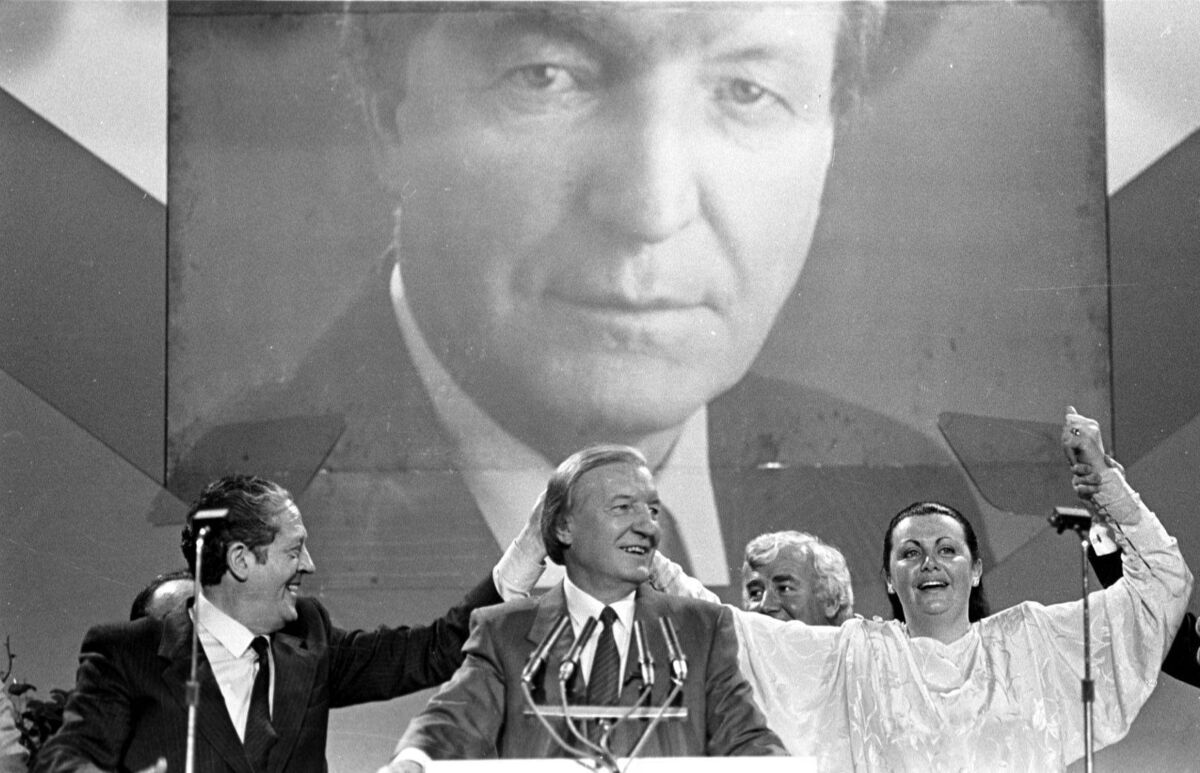
Others cannot get past his role in stirring up the civil war.
He steered the state well through “the emergency” as the Second World War was categorised on this side of the Irish Sea.
However, he stayed on too long, finally relenting the leadership in 1959 to take up residence in Áras an Uachtaráin.
Lemass is credited with being the best leader Fianna Fáil had, albeit at least a decade after they should have had him.
He turned around the state’s fortunes economically and led the way into the late 20th century.
Jack Lynch took over in 1966, breaking the direct connection all the way back to the Rising.
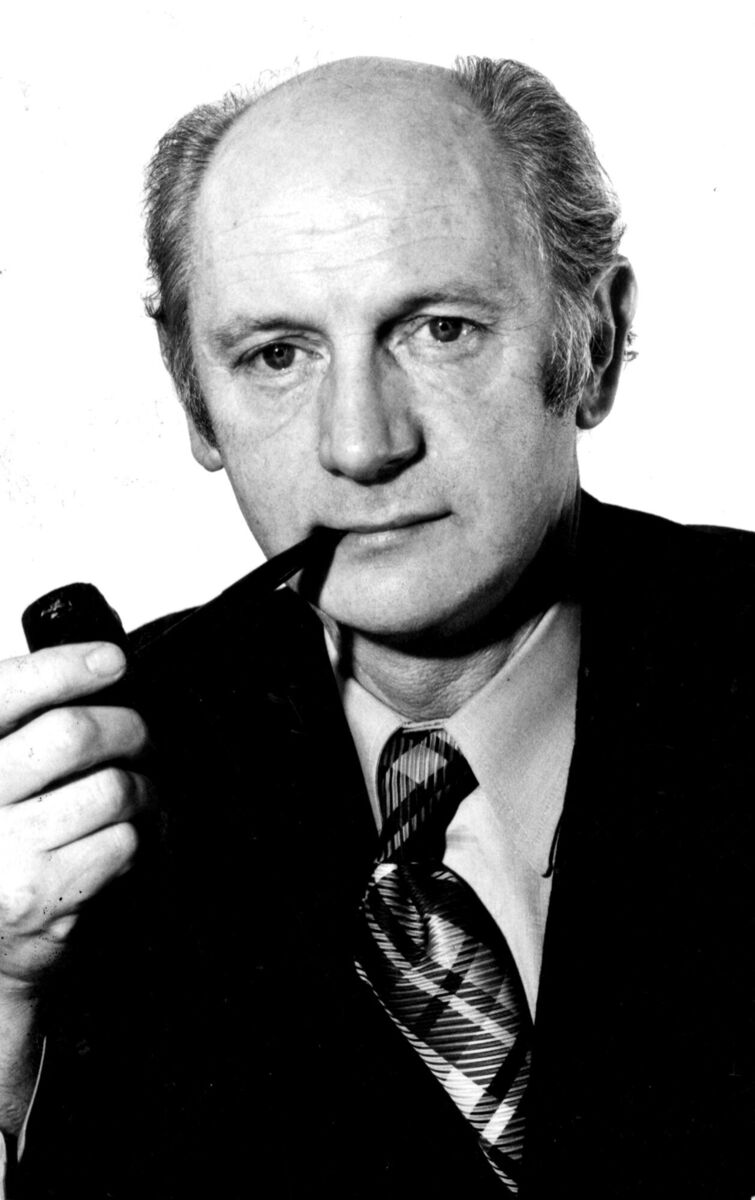
He was regarded as a decent man, a popular former All-Ireland GAA winner who went on to record a huge general election victory in 1977, the last occasion on which the party won an overall majority.
It's been downhill since then for Fianna Fáil.
Charlie Haughey left a stain on the party with his corruption that in some ways overshadowed his role as a form of midwife to the prosperity of the 1990s.
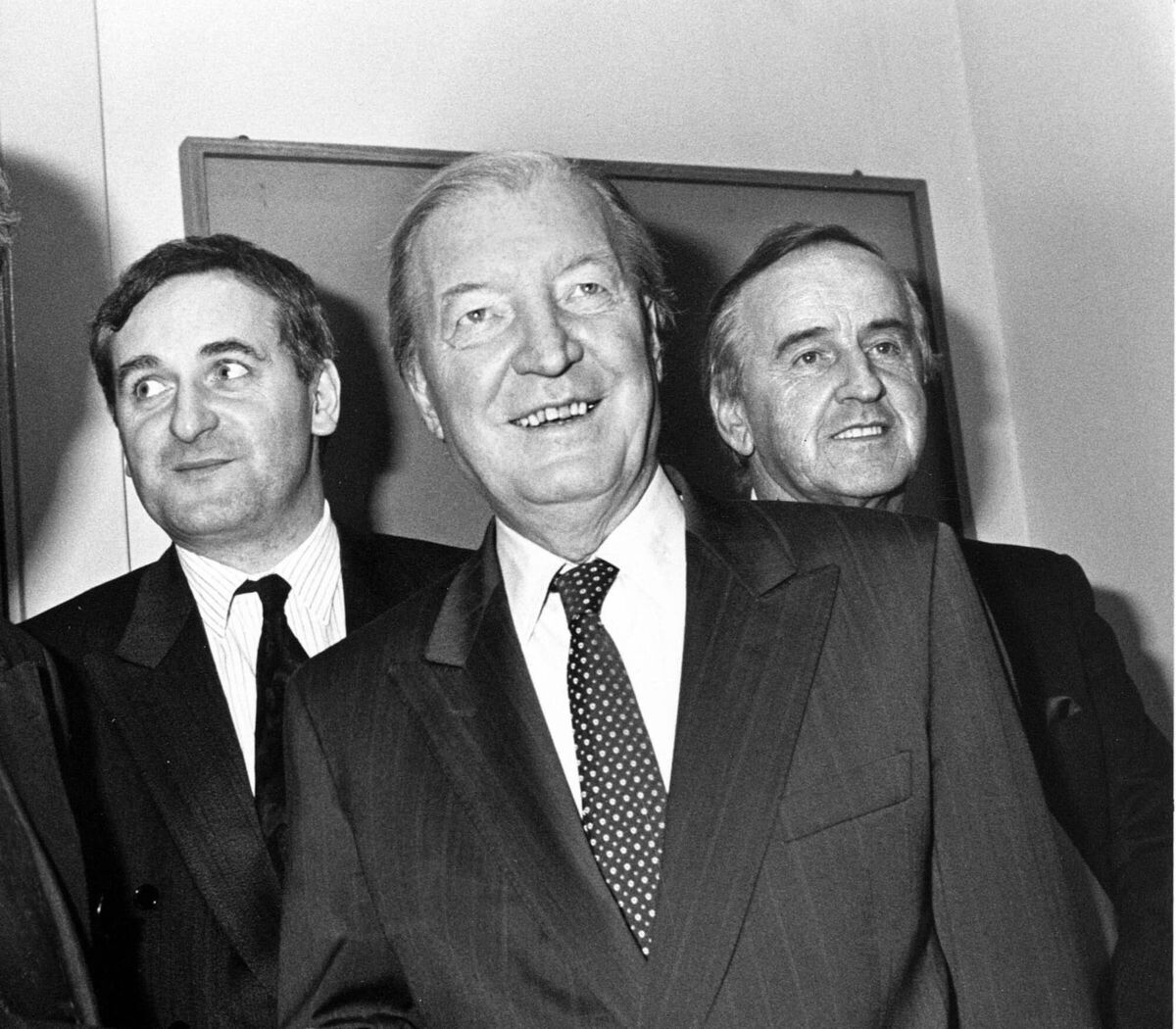
Albert Reynolds' term at the helm was brief and noisy.
Bertie Ahern was a popular leader who restored some electoral success, but he too managed to get into trouble over improprieties around money.
He was central to bringing a new dispensation to the North, in a way advancing the party’s alleged number one priority since it was founded.
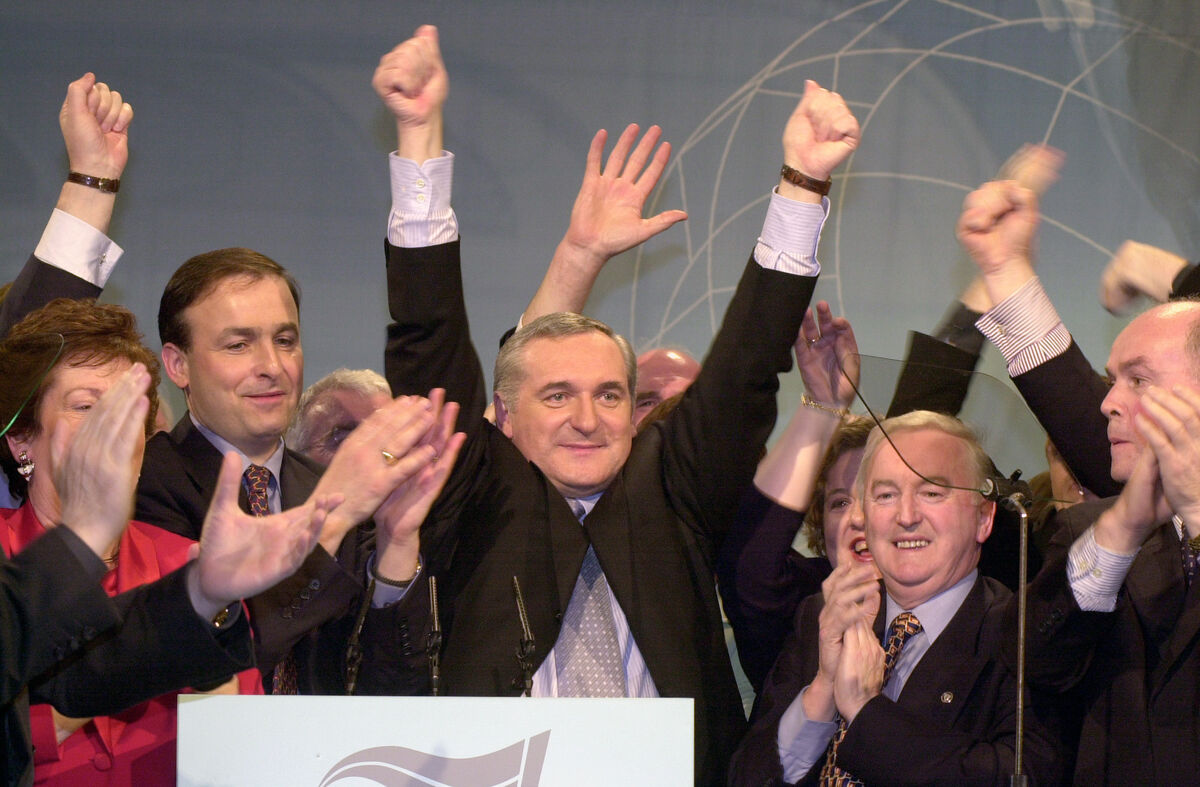
Apart from that though, Ahern’s stewardship was marked by the Celtic Tiger, a time of illusory plenty that was destined to end in tears.
Then came the crash and the party’s big fall.
In 2011, the party lost 57 of the 77 seats won in 2007.
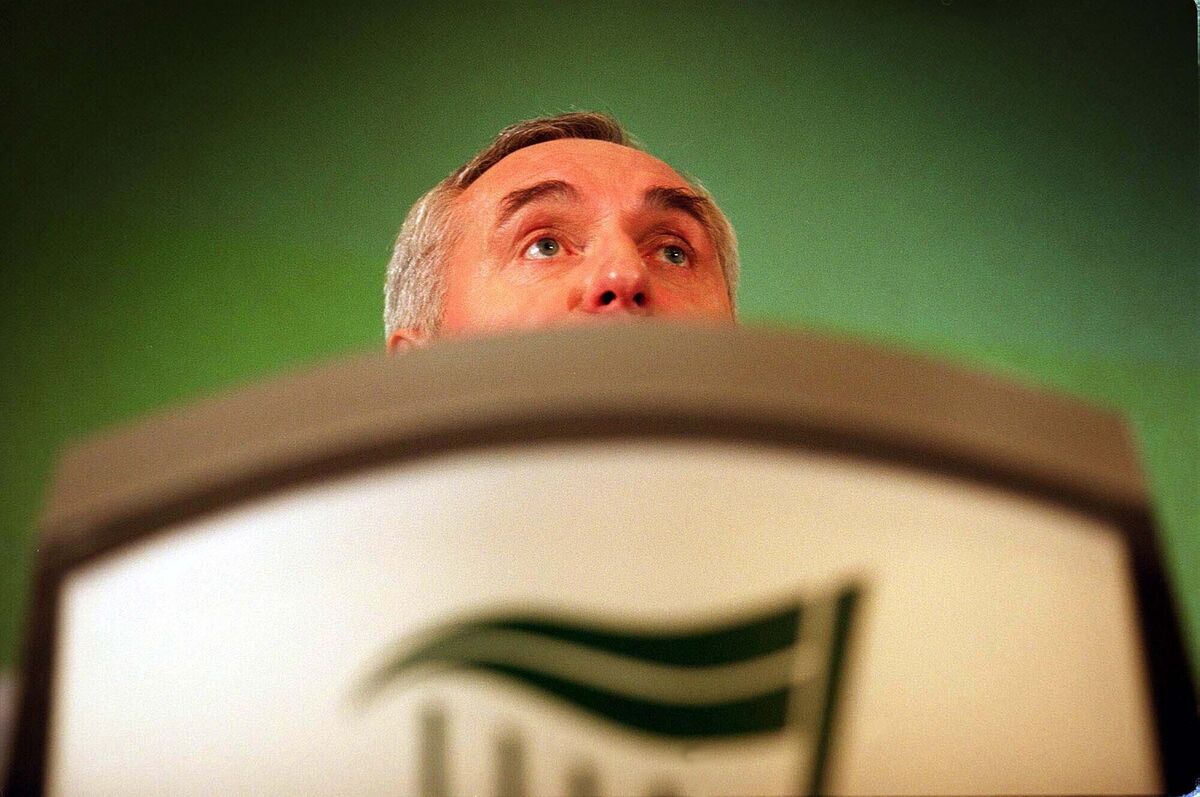
“The essential determinant in the transformation of Fianna Fáil fortunes was, as it usually is, economics,” wrote Noel Whelan in his biography of the party.
“It was clear from the anecdotal and polling data shortly after the acute phase of the banking and fiscal crisis in the summer and autumn of 2008 that the electorate blamed Fianna Fáil for the economic crash.”
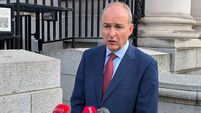
By then Brian Cowen had come and gone as the latest to fill Dev’s shoes, and Micheál Martin Martin was in situ.
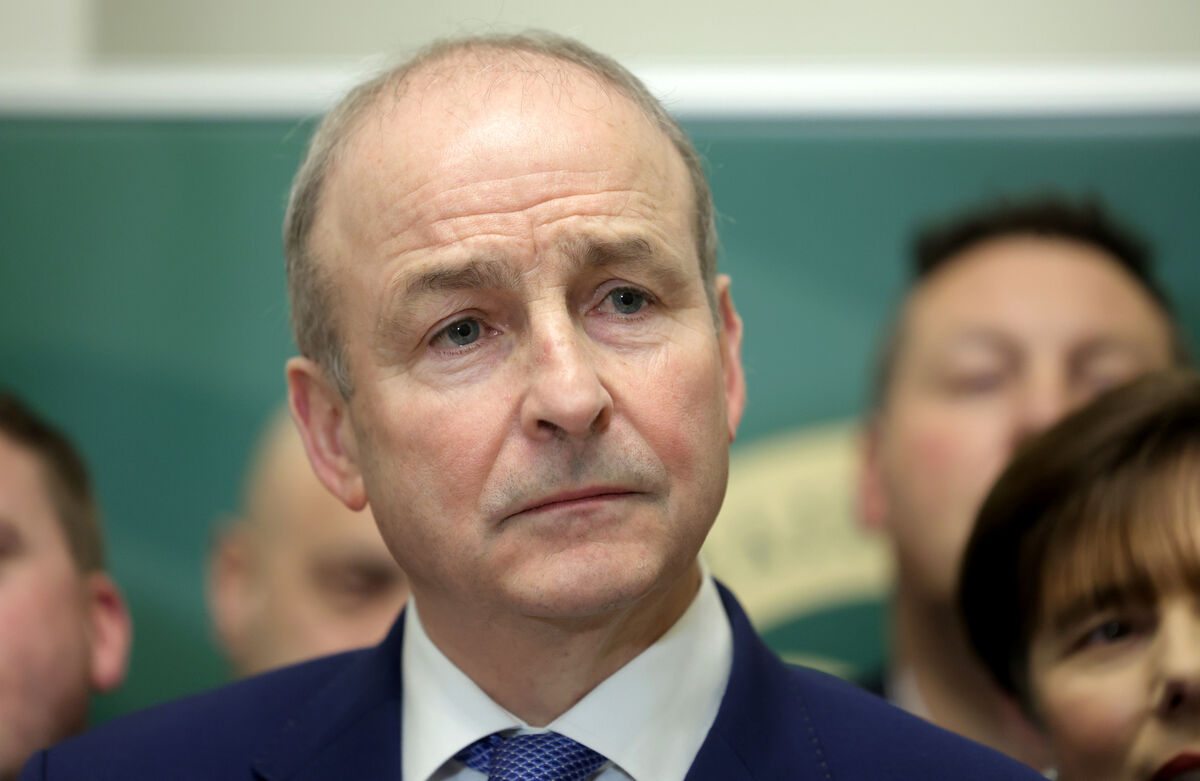
No longer would it govern as the principal party in a two-legged coalition.
Over the following decade, under his leadership the party evolved into one of three medium-sized political entitles, the others being Fine Gael and Sinn Féin.
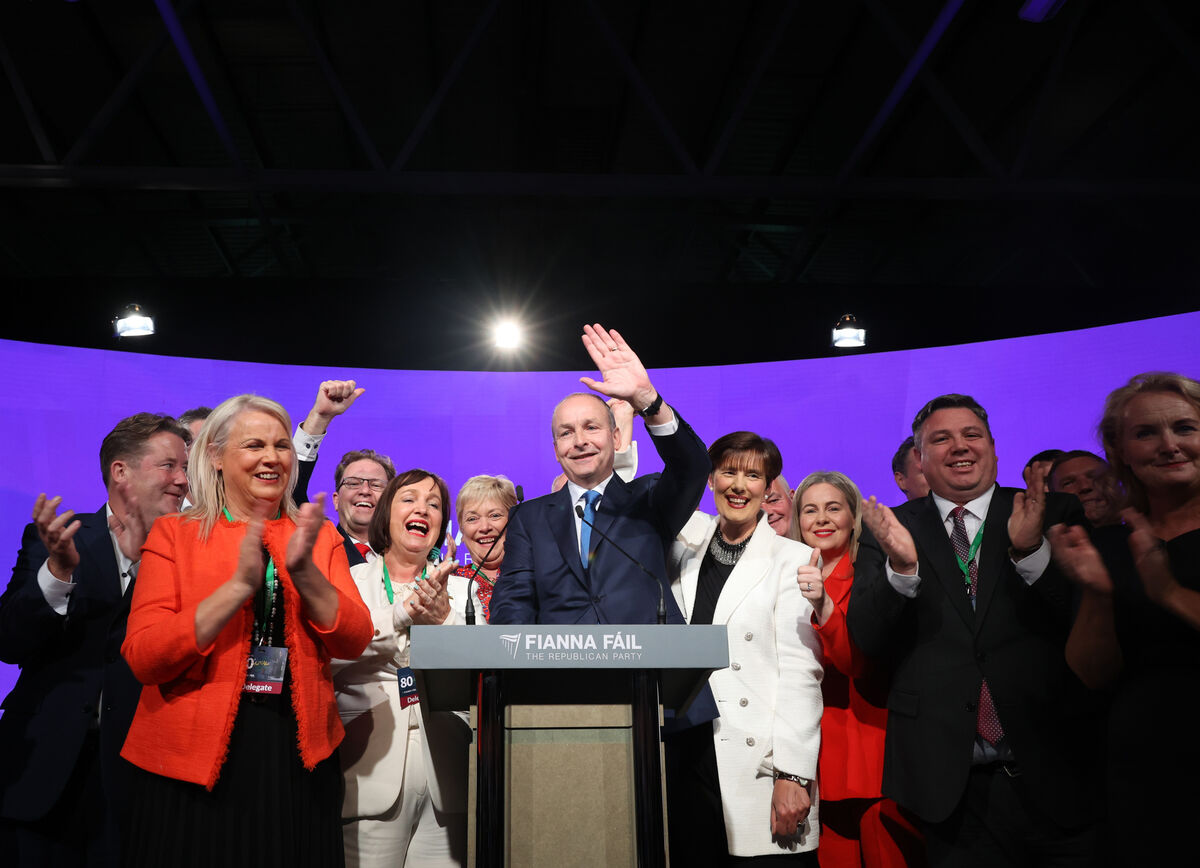
In 2024, Martin led Fianna Fáil back to the summit of a shrunken mountain.
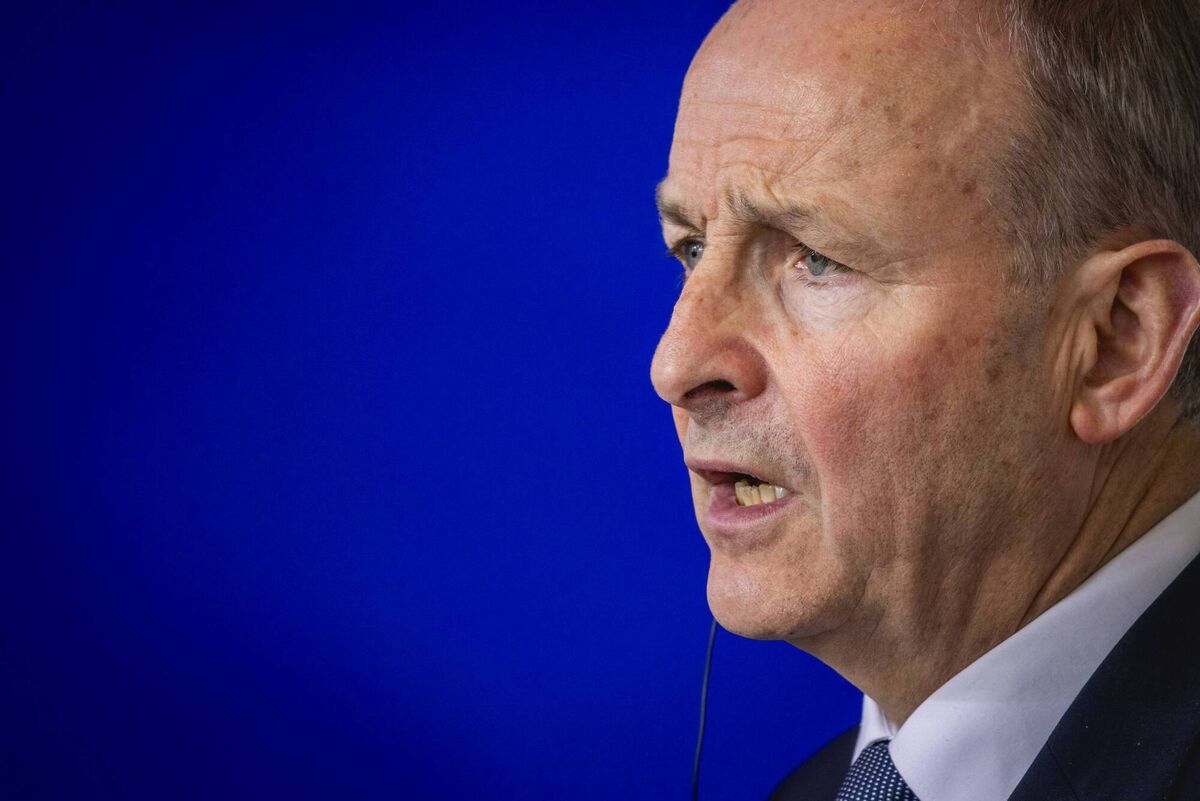
The party is now the largest in a 174-seat Dáil, holding just 48 of those seats.
It has been, since 2020, governing with Fine Gael, the party that represented the bulwark against Dev’s complete dominance through the early and middle decades of the last century.
The old party, however, with its ingrained connections to all levels of society is no more.
Today, the big question for Fianna Fáil is what exactly, and for whom exactly, it stands in a fragmented political arena, where old loyalties are with de Valera, in the grave.
The past for Fianna Fáil was glorious, the future bulges with uncertainty.
CONNECT WITH US TODAY



Be the first to know the latest news and updates