Ministers worried continued cuts to fuel taxes could hit budgets for their departments
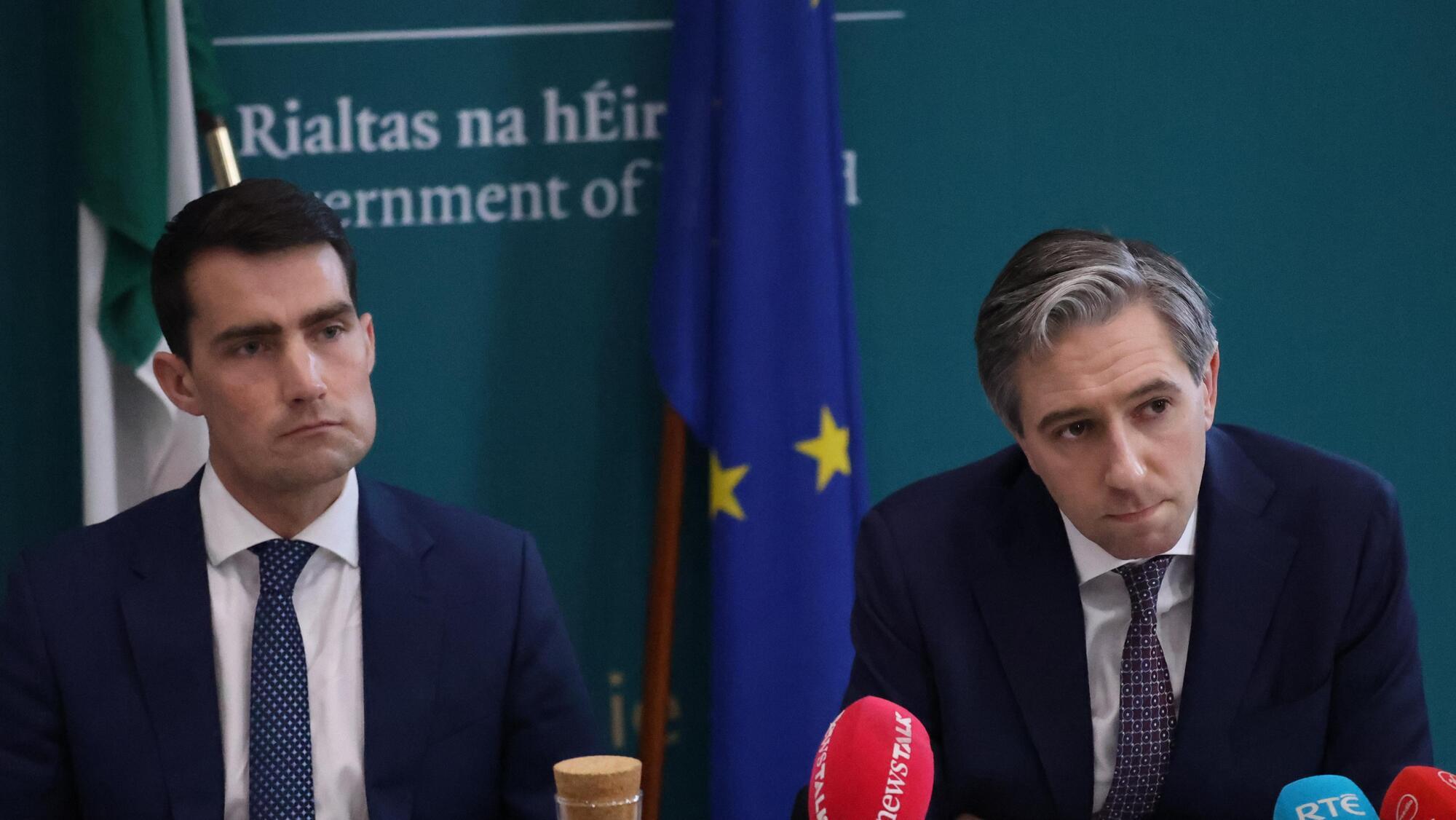
It comes as frustration with minister Jack Chambers (left) and his Department of Public Expenditure is already brewing despite assurances from despite Tánaiste Simon Harris (right). File picture: Stephen Collins/Collins Photos
Concerns are growing amongst Government ministers that the decision to delay the reversal of excise duty cuts could cut into the amount of money available for their budgets.
Despite Tánaiste Simon Harris saying last week that the €100m per month decision to keep excise rates low will be funded from surpluses and will not impact the Budget 2027 tax package, ministers are unconvinced.
It comes as frustration with minister Jack Chambers and his Department of Public Expenditure is already brewing.
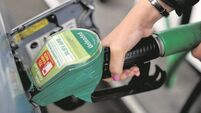
The Government agreed last week to defer excise cut reversals of 32c for diesel and 27c for petrol until November. The decision will cost €100m a month.
Amid warnings that there will be less money for new measures in October 6’s budget, ministers are now questioning whether more money could have been available if it was not being used for excise cuts.
Sources said that the “political reality” is that cuts had to be extended, but it is “another factor” that could impact tough budget negotiations. “It has to come from somewhere,” one source said.
Read More
One senior Government source said that while the excise cuts will not impact the tax package if they are only temporary, there will be an impact if they become permanent.
“That is not on the table,” one minister added.
Any permanent changes to the carbon tax, meanwhile, would impact spending. While Mr Harris last week hinted at another delay, it is understood that nothing has been decided.
One source said they were concerned about the potential long-term impact of the continuing excise cuts.
They added that US president Donald Trump’s actions in Iran were “dictating a lot of what’s happening to us”, with the Government frustrated at the lack of certainty.
One minister highlighted how the Government’s summer economic statement had promised a 5.9% uplift in spending. “You’d imagine departments will have to get that,” they said.
However, another Government source said negotiations with the Department of Public Expenditure are likely to be a “bruising battle”. “You have to be very realistic about what you’re going for. You are up against a tough crowd,” the source said.
One minister said that while everyone in Cabinet will ask for double-digit spending increases, expectations may have to be lowered.
It is expected that while some departments will get “close” to a 6% increase in their budgets, most will receive far smaller boosts.
The largest budget increases will likely go to departments which can deliver on “core Government objectives”, including childcare, child poverty, and disability.
One Government source said they believed the Department of Public Expenditure is “going to be difficult” in this year’s negotiations.
They said some departments, like Housing and Health, would likely be shielded from significant budget cuts due to expenditure levies, with others picking up the slack. These levies are being introduced to pay for significant overspends at the Department of Education.
It is expected that there will be greater progress on reducing childcare costs in Budget 2027, and there will be “scope to do a lot more” to ensure parents notice a difference in their bills.
It comes amid a concession that no breakthrough in public sector pay talks is likely before the budget, and that money will be put aside for a future agreement.
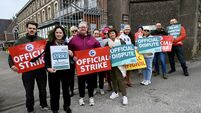
Siptu members yesterday voted 97% in favour of strike action, with 98% voting for industrial action. The Association of Secondary Teachers in Ireland will also ballot its members on industrial action.
CONNECT WITH US TODAY



Be the first to know the latest news and updates