Plumbers and heating contractors raise concern about safety reform roll-out
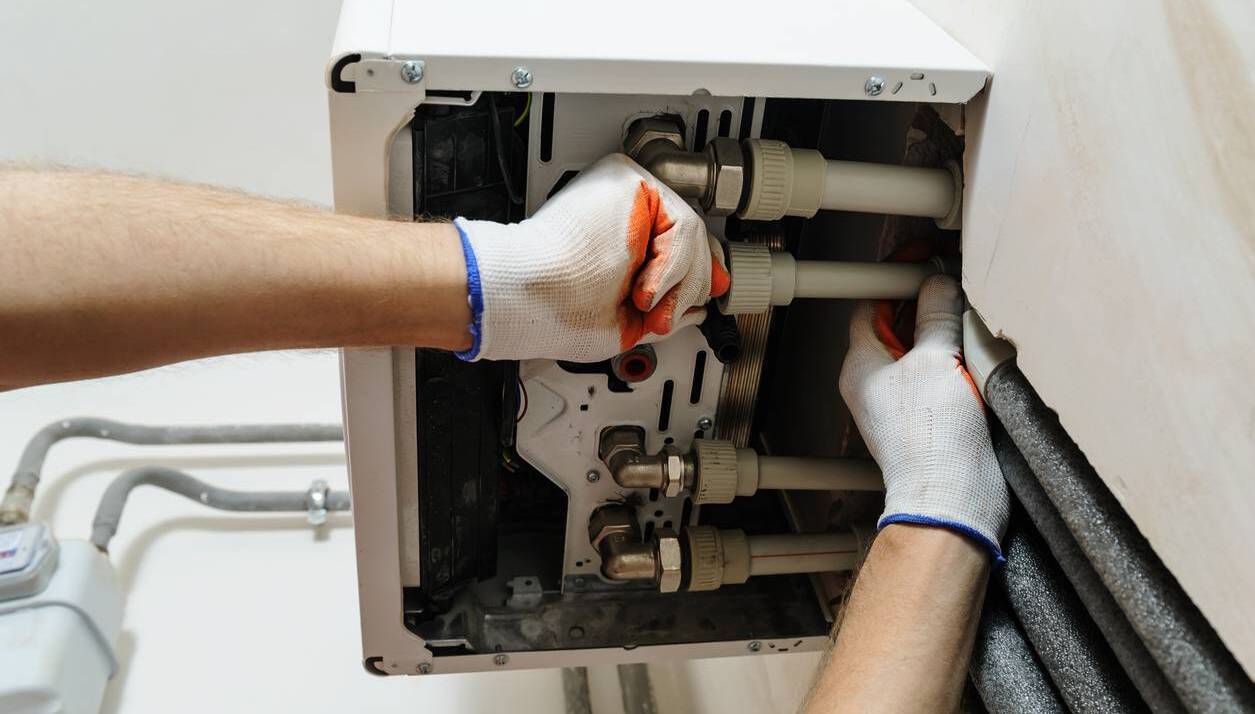
Contractors already had to have registered gas installer (RGI) status to do domestic work, but now they must also have it for commercial work. Picture: iStock
Concerns have been raised about a lack of communication over reforms requiring installers carrying out commercial gas works to be registered.
The Association of Plumbing and Heating Contractors of Ireland (APHCI) has said that while it supports the safety-focused reforms, there is a lack of awareness of the change taking effect.
From today, plumbers and heating contractors carrying out commercial gas works will need to be registered as a registered gas installer (RGI).
Previously, this only applied to installers carrying out domestic gas works.
Concerns have been raised about the capacity to train registered installers in that timeframe, as there is only one centre — Metac in Mountrath, Co Laois — which offers the training.
David Gilroy, chief executive of the APHCI, said he is concerned about the level of communication and that installers will be blamed if gas appliances cannot be certified for premises like hotels, restaurants, and nursing homes.
He said that paper certificates of compliance are no longer being used, and bugs have been reported with the online portal that has replaced them.
“There’s a series of steps that need to take place; we don’t believe that they have taken place,” he said.
“We don’t believe that the level of awareness either within the plumbing and heating sector or among the members of the public has been anywhere near adequate.
Read More
“We feel that the responsibility will be placed on the shoulders of installers.”
He said they were “100%" behind the new safety measures, and called for an information campaign to make people aware of the changes.
Ronan Blanchfield, of Blanchfield Heating, which services premises in the north Munster/Leinster area, said around 18 of his workers had registered as RGI installers.
He said some of those who registered received correspondence in recent days to say they would need to complete a 15-day course in the next six months, costing around €2,500 per person.
“This came totally out of the blue; nobody knew anything about it until last week,” he said.
The Commission for Regulation of Utilities (CRU) said the changes were to “improve safety standards and provide greater assurance” that gas works in businesses are done by qualified installers.
“Individuals currently undertaking non-domestic gas works should ensure they have taken the necessary steps to comply with the registration requirements and complete the registration process through the RGI website,” it said.
“The CRU considers awareness of the commencement of the regulation of non-domestic gas works to be a key aspect of implementation for both installers currently working in the non-domestic sector as well as RGIs already registered with the scheme.
“The CRU has been working with the operator of the RGI scheme to ensure that appropriately qualified individuals can access the necessary information in advance of September 1 and to ensure compliance with the registration requirements. The safety of gas customers remains the primary objective of these measures.
“Businesses that ensure gas works are undertaken by appropriately registered and qualified installers should not experience any change in their obligations because of the expanded regulatory framework.”
CONNECT WITH US TODAY



Be the first to know the latest news and updates