'Zero indication' that some schools use physical restraint more than others, says minister 
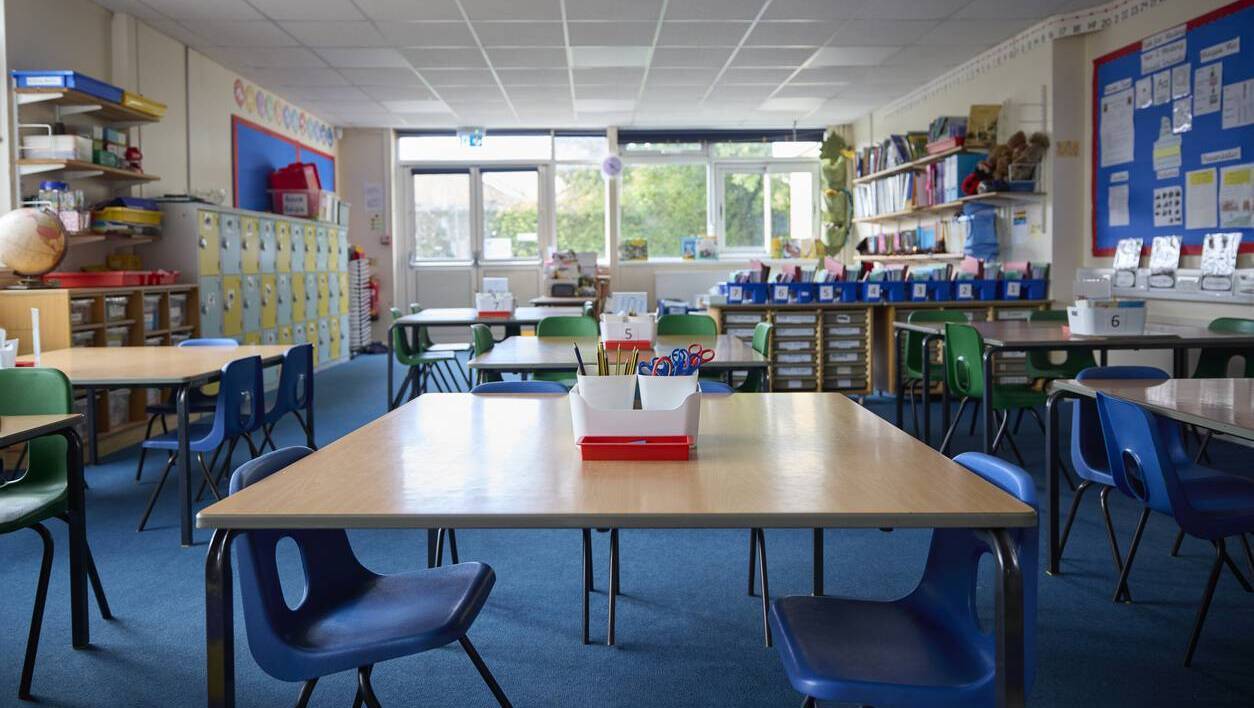
Children in crisis were physically restrained 850 times in schools since last September
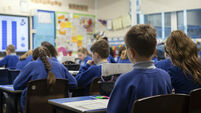
Restraint is defined by the guidelines as a 'procedure where one or more adults restrict a student’s physical movement or normal access to his or her own body'. File picture

Restraint is defined by the guidelines as a 'procedure where one or more adults restrict a student’s physical movement or normal access to his or her own body'. File picture

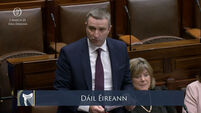
There are no “outliers” among schools where pupils with special education needs are physically restrained throughout the year, minister of state with responsibility for disability, Michael Moynihan, has said.

Children in crisis were physically restrained 850 times in schools since last September, the vast majority (90%) of whom have special educational needs.

Mr Moynihan said he cannot comment on individual cases, but said his department and the National Council for Special Education (NCSE) is “working desperately” to ensure the “right balance” is struck when it comes to physical restraint of pupils.

While the overall figures were provided to the Irish Examiner under the Freedom of Information Act, the NCSE refused to release further “contextual data” about the incidents, including the types of schools reporting incidents, the age of students involved, dates of incidents, as well as general comments about what happened.

Asked about this, Mr Moynihan said there is “zero indication” that physical restraint was used more in some settings. “No information I have, or no information I have seen is that there are specific schools that are outliers in any way, shape, or form,” he said.

“We’re not harking back to some prehistoric time. Those that are within the schools are very much trying to do the right thing by children and students who have additional education requirements. Certainly there is no outlier, from what we have seen across the system.”

Restraint is defined by the guidelines as a “procedure where one or more adults restrict a student’s physical movement or normal access to his or her own body”. 

It must not be a school’s first option, and its use should be “measured”, “appropriate”, and carried out by a trained staff member.

Mr Moynihan added: “I would have to pay tribute to all the practitioners, both special needs assistants, teachers, and school principals as well. They’re working in specialised education, and there are challenges, there are behaviour challenges that present every day, but the expertise and the professionalism that they are meeting the challenges head on have to be commended.”

He said significant work has been done to understand and adopt the right approach in relation to the most challenging cases within the education sector, and “restraint is the last resort, obviously”.

“I suppose what we need to understand from a holistic point of view, from both the department and the NCSE, and indeed the families and the education practitioners, is how we can understand better the behavioural issues, so that we can minimise the need for intervention,” he added.

  • Elaine Loughlin is Political Editor.

More in this section

Politics

Newsletter

From the corridors of power to your inbox ... sign up for your essential weekly political briefing.

Cookie Policy Privacy Policy Brand Safety FAQ Help Contact Us Terms and Conditions

© Examiner Echo Group Limited