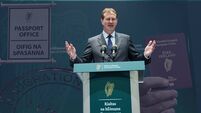
Dáil backs fuel excise cuts extension as Tánaiste warns against long-term tax rises
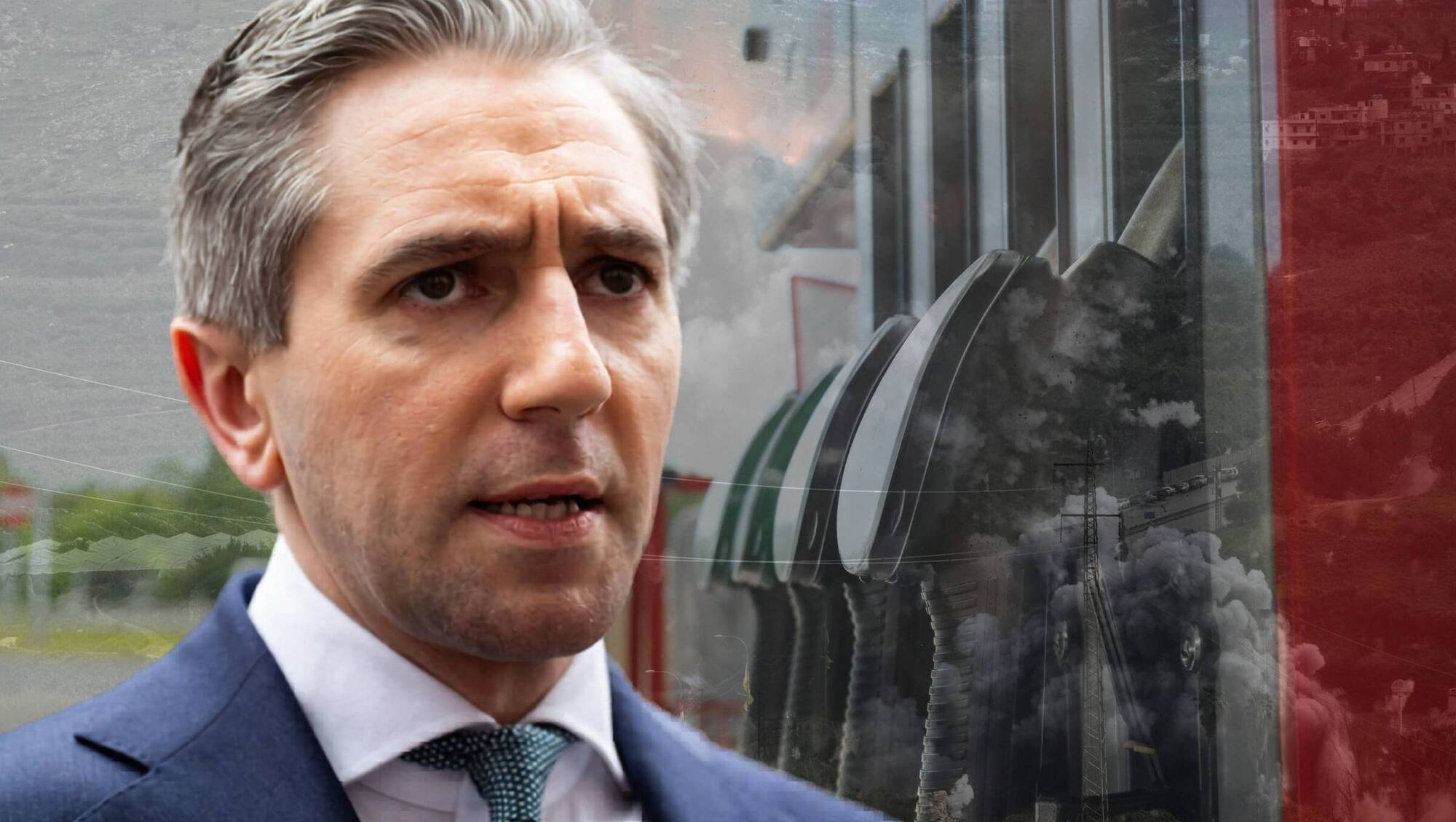
Simon Harris said the Government will provide certainty to the public over the next two months by retaining lower excise rates on fuel.
TDs have backed an extension to excise cuts on petrol and diesel until November, as the Tánaiste says it is “imprudent” to lock in fuel tax rises years in advance amid energy market turbulence.
Proposals by the Government to retain previous cuts were brought before an emergency sitting of the Dáil on Friday, with TDs sitting for a little over an hour to agree the plans.
The vote passed with 104 votes in favour, compared with 49 against.
It comes as Simon Harris says the Government will provide certainty to the public over the next two months by retaining the lower excise rates on fuels, as he signals the Coalition could pause planned carbon tax hikes in October’s budget.
“If the last six months have told us anything, it's how rapidly the world can change. Oil prices can rise, they can fall, supply routes can be disrupted. We've seen enormous movements in energy markets over just a few short weeks,” Mr Harris said.
“Locking the Irish taxpayer into decisions many months and possibly years in advance, regardless of what happens internationally, is not certainty. It’s actually imprudent.”
Read More
The Tánaiste and finance minister was speaking as the Dáil returned on Friday to approve plans to extend excise cuts on petrol and diesel until November.
The temporary reductions currently amount to 27c per litre of petrol and 32c per litre of diesel.
Excise will be restored on a month-by-month basis, with increases in November, December, January and February.
Mr Harris said the total cost of the Government’s supports, including excise cuts, the pause on the NORA levy and a diesel rebate scheme, was €1.3bn.
The Tánaiste added that nobody knows what oil prices would be in November or January.
“What government does have, though, is responsibility. A responsibility to respond to the circumstances in front of us, to use the best information available, to act at the right time, and above all, to act to the interests of the Irish people,” Mr Harris said.
“That is why we have recalibrated our approach, and we will remain nimble to respond into the future.”
However, Mr Harris said the Government needed to “level” with the public and that it would not be able to “completely insulate” the country from the price of fuel.
“No government can indefinitely use the tax system to cancel movements in international commodity markets. To suggest so is dishonest politics.”
However, Sinn Féin leader Mary Lou McDonald said the Government had “not gotten the message”, arguing that it was not stopping fuel tax increases but merely rescheduling them.
“It’s kicking the can down the road. It is postponing the pain, not removing it,” Ms McDonald said, confirming Sinn Féin would vote against the Government proposals.
Ms McDonald said the Government must keep taxes off petrol and diesel while fuel prices remain high, while calling for “meaningful” cost-of-living relief in Budget 2027.
Social Democrats leader Holly Cairns said the Government is “permanently stuck in reaction mode”.
“A crisis happens. Pressure builds. People protest and eventually the Government scrambles to put together an emergency response,” Ms Cairns said.
“This is not a cost-of-living strategy. It is a desperate approach from a government with no vision and no ambition.”
CONNECT WITH US TODAY



Be the first to know the latest news and updates