Tánaiste details when excise on petrol and diesel will increase as cuts phased out
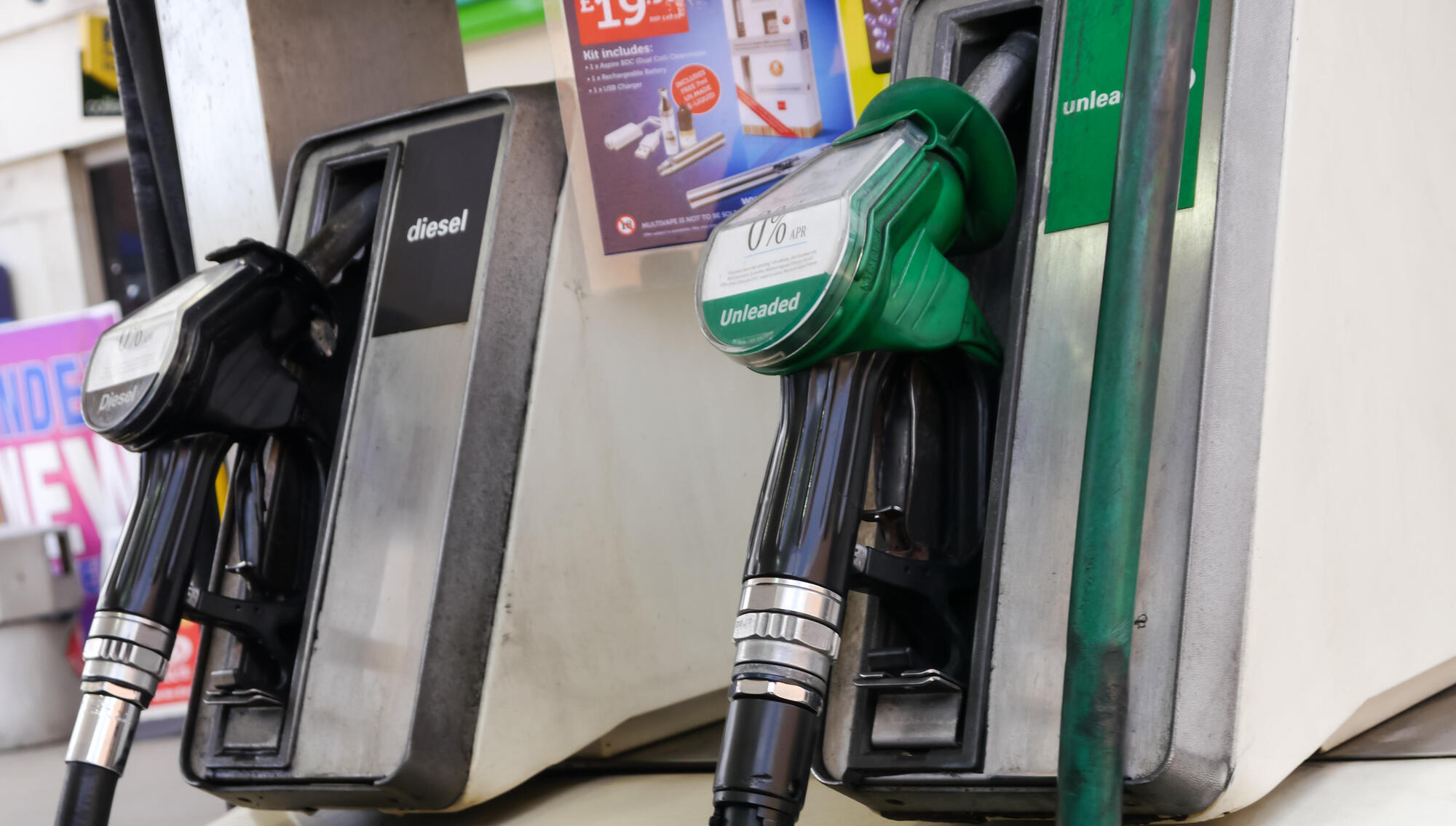
Government agrees phased withdrawal of fuel excise relief while the Tánaiste presses retailers over delayed reductions at the pumps
Simon Harris has confirmed petrol and diesel excise cuts will be fully phased out by the end of 2026 while questioning why fuel prices remain high. File picture

Simon Harris has confirmed petrol and diesel excise cuts will be fully phased out by the end of 2026 while questioning why fuel prices remain high. File picture

Excise cuts on petrol and diesel will be unwound and phased out by the end of 2026, Tánaiste and finance minister Simon Harris has confirmed.

He also questioned why prices at the pumps have not fallen more, given that the price of a barrel of oil is dropping.

Cabinet signed off on plans agreed by the Government leaders on Monday evening to extend the 32c excise cut on diesel and 27c cut on petrol from August 1 to September 1. They will then be phased out.

On September 1, excise will be increased by 9c on petrol and 10c on diesel. The NORA levy will also increase by 2c, bringing the total reversals to 11c and 12c, respectively.

Excise on petrol will increase by 8c on October 1, while diesel will increase by 7c.

On both November 1 and December 1, excise duty on petrol will rise by 5c, diesel will rise by 7c, and the Nora levy will increase by 2.7c.

Mr Harris said removing the excise cuts gradually will allow the Government to monitor the international situation and provide industry with "space" to pass on the price of falling oil prices to consumers.

He said he wanted to avoid a “cliff edge” for people, and that excise cuts had resulted in inflation falling.

Introducing the excise cuts brought inflation down by 0.6%, and extending it and tapering it off will result in inflation being 0.4% lower, he added.

However, the Tánaiste also questioned how the price decreases at the pumps are being passed onto consumers.

“There's something odd going on here, and we've got to get to the bottom of it,” Mr Harris said.

“Oil prices spiked at around $120 per barrel. They are around $74 per barrel now. I fully accept that there isn't an immediate cause and effect between a commodity market and the price at the petrol pump.

“But if we all get this right together, and if everyone is honest and fair, one would actually hope that the benefits of a lower price of the oil market being passed on at the pump can well absorb any reversal of these cuts over the next four months.” 

Mr Harris criticised Sinn Féin for suggesting petrol prices will surpass €2 a litre by Christmas, as he questioned why this would be the case.

On RTÉ radio, the Tánaiste said there is “no evidence” to suggest that retailers are not passing on cuts to customers, but they must explain when cuts will be seen at the pumps.

He said he is a “little surprised” that prices have not already dropped.

“I want to engage with them directly, in fairness, and not through the airwaves, as to when they expect to see the benefit at the pumps,” the Tánaiste continued.

“It’s not credible that oil used to cost $120 a barrel and now costs $73 a barrel, so it might be that there's a little bit of a lag. Let's hear it.

Mr Harris denied that it was irresponsible for the Government to further cut excise on fossil fuels in the middle of a climate crisis.

He argued there is "a very large rate of tax on diesel and petrol in Ireland" and the Government wants to "help people in the here and now".

More in this section

Politics

Newsletter

From the corridors of power to your inbox ... sign up for your essential weekly political briefing.

Cookie Policy Privacy Policy Brand Safety FAQ Help Contact Us Terms and Conditions

© Examiner Echo Group Limited