Fuel excise duty cuts to stay in place for a further month
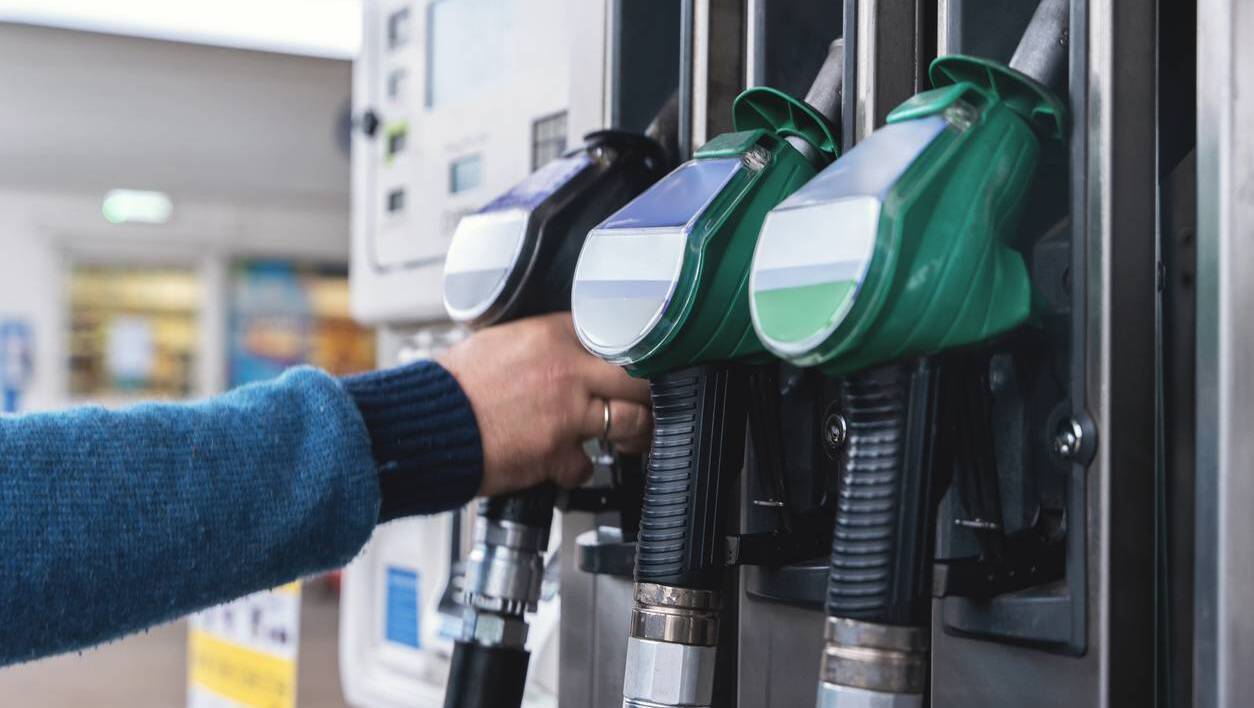
The cuts introduced in mid-April in the wake of the crisis sparked by the war on Iran reduced the excise on diesel by 32c, and petrol by 27c. Picture: iStock
Current cuts to excise duties on fuel will continue until the end of August, Government leaders have agreed.
Following the outbreak of the war in Iran and a wave of protests, the Government introduced excise cuts in mid-April to reduce the excise on diesel by 32c, and petrol by 27c. This included a reduction of the NORA (National Oil Reserves Agency) Levy.
The current cuts were due to expire on July 31 but coalition leaders have decided to extend the current excise reductions on petrol and diesel until September 1.
Cabinet will consider the measures on Tuesday which will mean there will be no cliff edge for motorists in a move the Government says will "supress inflation".
The move follows a meeting of the Coalition leaders on Monday evening and will be contained in a memo brought to Cabinet by Tánaiste and finance minister Simon Harris on Tuesday.
The Government will announce a suite of measures on Tuesday that will cost €270m.
Read More
While the current measures will continue until September 1, from that point the previous excise rates will gradually be restored over the following four months.
Speaking last week, Mr Harris told the Dáil that he did not "think it's possible for somebody to absorb the full 32c increase” but said that he "can’t ignore the fact that the price of oil is now falling, can't ignore the fact that the Strait of Hormuz is currently open" and that petrol prices were below diesel.
Government sources said the gradual unwinding of the cuts will allow for "flexibility" and will be separate from October's Budget.
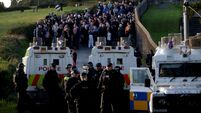
The decision will extend cuts made in the teeth of protests which saw Ireland's fuel infrastructure blockaded.
Taoiseach Micheál Martin on Friday said the Government is “mindful” of the ongoing volatility in energy markets, but he hoped this would be on a “downward trajectory” and that a deal between the US and Iran would “hold and sustain over the next while”.
“That would free up resources for the budget,” Mr Martin said, citing focuses like reducing the cost of childcare and taxation for October’s package.
Speaking on Monday at the Government's trade forum, foreign affairs minister Helen McEntee said that options needed to be kept open by the Government.
“My own view is that these were introduced at a very difficult time. They were introduced as a temporary measure.
“It’s always difficult when you introduce something on a temporary basis to then remove it… but we need to be open to a number of different options as to how we either remove, take down or adjust these payments.
"The fact is that the situation can change, but that's been unfortunately the only thing that's been certain this year - that there is always a level of uncertainty.
"So, how do we retain that flexibility at the same time? That's what we'll be discussing with colleagues. That's what we'll be deciding on in the next couple of days."
- Paul Hosford, Deputy Political Editor