Farmers and hauliers seek delay in excise rate hike
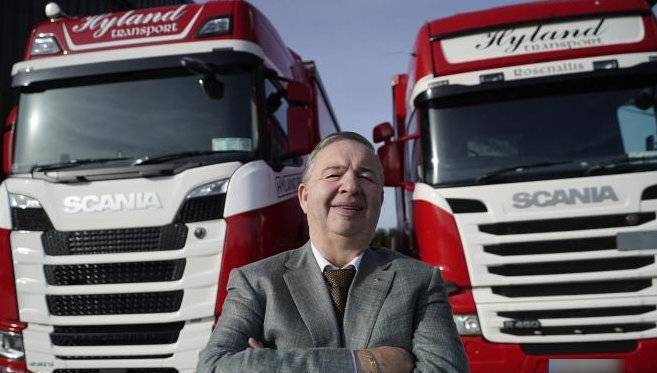
Irish Road Haulage Association president Ger Hyland said any decision to wind down fuel supports at this time would “drive inflation and have a severe impact on households and families across the country".
Farmers and hauliers have called on the Government to extend the excise duty cuts on petrol and diesel.
The measures were introduced in response to the oil price shock following the US’s attack on Iran, but are set to be rolled back over the coming months.
According to AA Ireland, the Government’s decision to cut excise rates on fuels has seen temporary reductions of 27c per litre on petrol and 32c on diesel.
However, from September 1, there will be a phased restoration of these excise rates adding 9c to petrol and 10c to diesel.
Further restoration of these rates are expected on the first of each month out to December unless the Government announces further measures during the budget in October.
Given that fuel prices have seen significant increases over the last few weeks — as conflict between the US and Iran resumed and the flow of oil through the Strait of Hormuz slowed again — both hauliers and farmers have started calling on the Government to delay the winding down of the measures.
Read More
Irish Road Haulage Association (IRHA) president Ger Hyland said any decision to wind down fuel supports at this time would “drive inflation and have a severe impact on households and families across the country who would see higher food, and transport costs — driving the cost of living crisis to unsustainable levels”.
“Adding 30c back onto a litre of fuel will mean that many haulage businesses simply will not make it to Christmas.”
Mr Hyland appealed to the Government to listen to the transport sector and delay any unwinding of the support until a more stable peace is achieved in the Middle East.
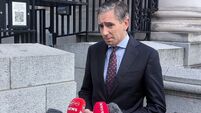
The Irish Farmers’ Association (IFA) has called on finance minister Simon Harris to postpone the hike planned for September 1 citing the ongoing unrest in the Middle East and the extreme volatility to global oil prices.
IFA Farm Business chair Bill O’Keeffe said “any move by the Government to increase the cost of fuel at the current high price levels will put further pressure on farm families and farm business who have struggled through the past number of months with rising costs”.
“Our dairy, beef, tillage, potato, and vegetable farmers are all under severe pressure from reduced margins in 2026 and combined with poor grass growth and tillage crop performance this summer, it would be reckless for the Government to drive ahead with these plans to place additional cost on fuel.”
Brent crude oil prices — a global benchmark — have been increasing over the last week.
On Wednesday, a barrel of oil was trading $88.5 whereas on Wednesday last week prices were down around $79.50.
Oil prices are still well ahead of where they were before the war started in late February.
At the time, oil was trading at or below $70 a barrel.
The skyrocketing fuel prices led to protests which eventually saw Whitegate Refinery in Cork being blocked.

CONNECT WITH US TODAY



Be the first to know the latest news and updates