More households in energy arrears than ever before, CRU figures show
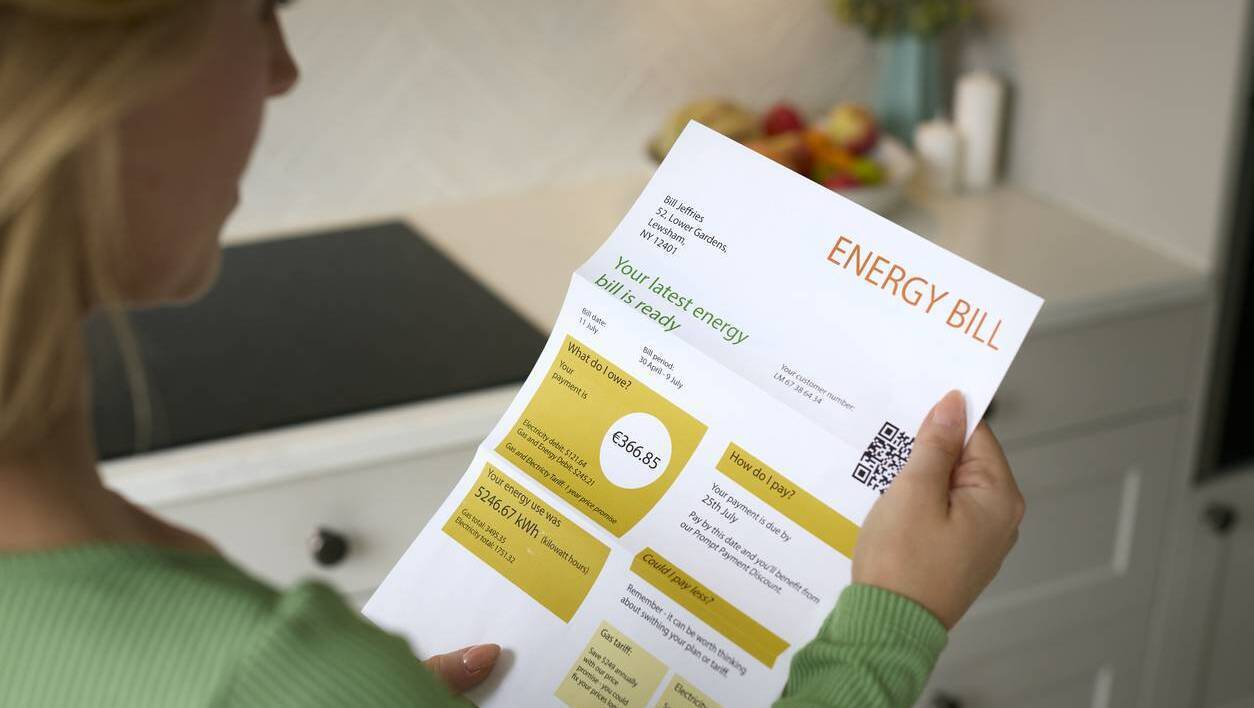
The number of accounts in arrears for more than 90 days has also increased for both electricity and gas bills, with 188,748 for electricity, and 142,090 for gas, both increased on the figures from this time last year. File picture
More households are in energy arrears than ever before, and experts are warning that the situation will only get worse.
The latest figures from the Commission for the Regulation of Utilities (CRU) show that 328,273 are in electricity arrears, while 188,941 are in gas arrears.
Those statistics are for May. Since then major suppliers such as Electric Ireland, Yuno Energy, and PrepayPower have all hiked their electricity prices.
Darragh Cassidy of Bonkers.ie pointed out that other suppliers could follow suit over the coming weeks as wholesale electricity costs as well as costs for managing the electricity grid, have both gone up.
"Year-to-date, wholesale electricity prices are up almost 20% versus last year for example. So we could see the numbers in arrears reach new record levels towards the end of the year."
However, despite the record figures, Taoiseach Micheál Martin indicated that there will be no one-off package to address the issue in October's Budget.
Speaking in Kanturk, Co Cork, Mr Martin said: “We have a budget in the first week of October — that will provide us with an opportunity to deal with cost of living pressures on families, some of it occasioned by the fuel but other knock-on consequences in terms of food prices and so on.
Read More
"Through our taxation measures in the budget, we are going to reduce income tax for workers. We also want in an area like disability to reduce costs and improve the situation and develop the cost of disability agenda to try and alleviate the pressures on families. And also childcare — that is a big cost for many families.
"If you reduce the tax burden, you help with the cost of living, if you reduce the cost of childcare, you help with the cost of living, and if you also work in terms of the cost of disability, you also help families that are particularly under pressure.”
The latest figures have been slammed as “utterly appalling” by Lynn Boylan, the Sinn Féin MEP for Dublin.
Ms Boylan said that the problem "goes even deeper than the already stark headline would suggest", pointing to the data on the amount of arrears owed by each household, and the amount of time that households are spending in arrears.
The number of accounts in arrears for more than 90 days has also increased for both electricity and gas bills, with 188,748 for electricity, and 142,090 for gas, both increased on the figures from this time last year.
The amount of money owed on electricity arrears has climbed to an average of €512.02, while the amount for gas arrears figure has climbed to €223.57, both of which has increased 65% and 45% respectively since 2022.
Ms Boylan said that it’s "also extremely concerning" that the number of electricity customers disconnected for non-payment had increased by 138, while there was also 46 domestic gas disconnections.
“To have another new record number of people in debt on their energy bills is an utterly appalling statistic.
“The government needs to use the upcoming budget to deliver desperately needed supports for households that are being crippled by Irelands sky high energy costs.
“Longer term, they must use Ireland’s presidency of the EU to drive forward badly needed improvements to our grid, and our renewable generation, to tackle this issue at the source.”
VAT on energy in Ireland is charged at the lower 9% rate. The lower rate was originally introduced in 2022 as part of a major cost-of-living package from the Government, with Vat falling from 13.5% to 9%. That rate on gas and electricity will be 9% until the end of 2030 under measures announced in last year's Budget.
CONNECT WITH US TODAY



Be the first to know the latest news and updates