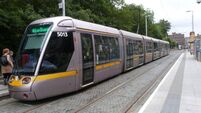
NTA proposes allowing dogs, cats and small pets on public transport
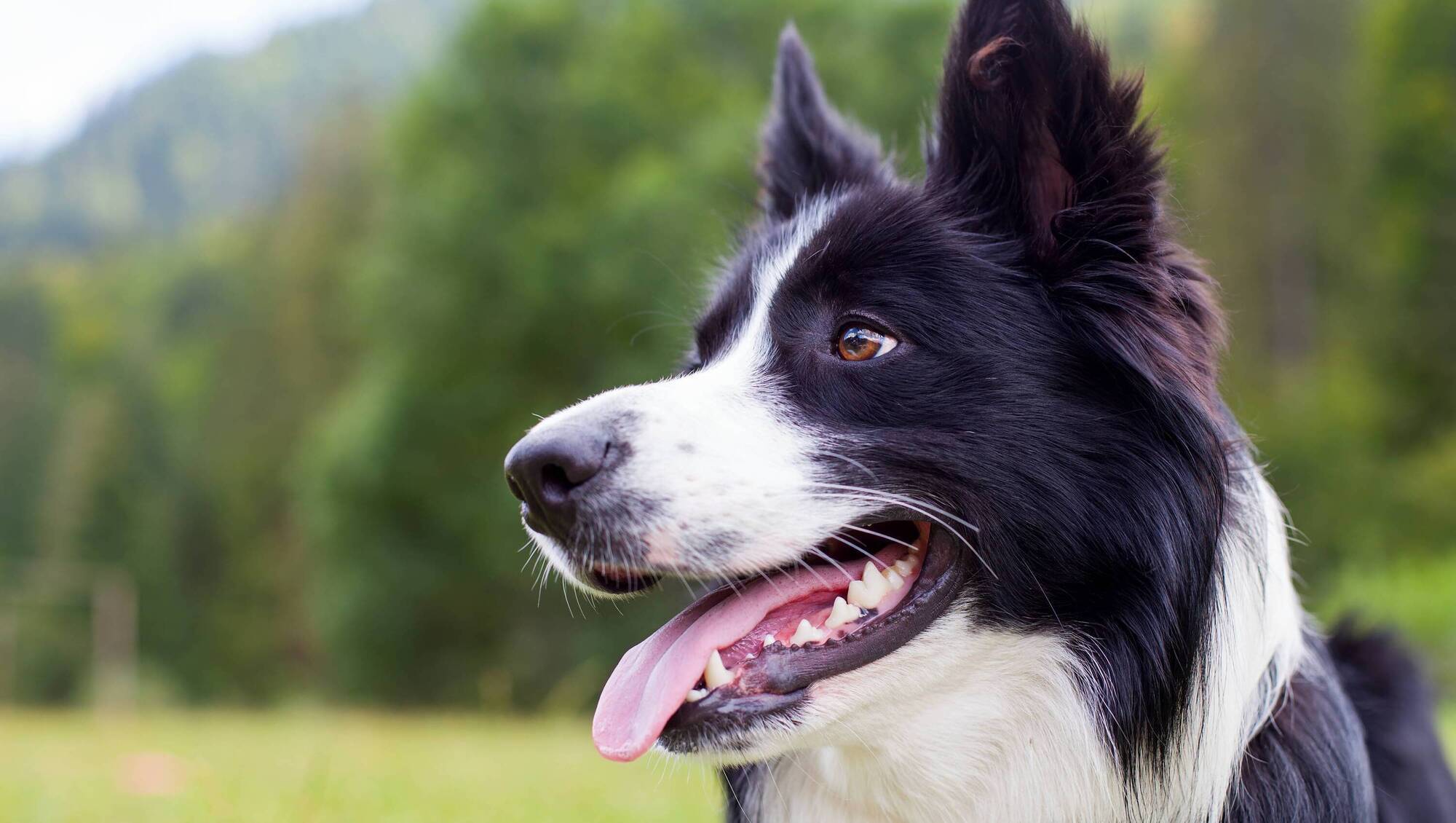
The NTA has proposed that small dogs, cats and other small animals that do not threaten passenger safety may travel on bus, rail and Luas services. File picture
Dogs, cats and other pets could be allowed greater access to buses and trains under proposals from the National Transport Authority to relax existing rules on animals on public transport.
The NTA has proposed that small dogs, cats and other small animals that do not threaten passenger safety may travel on bus, rail and Luas services.
They would not be allowed on seats and must remain on their owner’s lap or on the ground without obstructing other passengers or passageways. Animals would also have to be kept away from other animals to protect the safety and comfort of passengers and pets.
The proposals follow a public consultation earlier this year which received 2,567 submissions, with a large majority strongly supporting pet access.
The NTA withdrew a proposal requiring small pets to be carried in a suitable box, basket or other container after strong opposition that the measure was impractical.
Larger dogs may also be carried, provided they are on a lead and muzzled, although they may be refused transport if services are reaching capacity.
There are no proposed changes to the existing policy allowing guide dogs and assistance dogs to travel on the Transport for Ireland network without restriction. They must wear a coat, medallion and lead identifying them as working dogs.
Read More
A parent or guardian accompanying a child with an assistance dog must also carry an ID card for the animal. Only one guide or assistance dog will be permitted per passenger.
The NTA said consultation responses were strongly supportive of allowing pets on public transport “subject to clear and practical safeguards.”
Many respondents said the measure would improve access for people without cars and make it easier to travel with pets to vets, parks and on family visits. They also said it could support environmental goals by encouraging greater public transport use and reducing car dependency.
Others highlighted the importance of travelling with pets for inclusion and wellbeing, particularly for older people, non-drivers, people living alone and those who rely on pets for companionship or emotional support.
Concerns included allergies, fear of dogs, hygiene, safety in enclosed spaces, crowding and difficulties enforcing rules consistently.
Some respondents questioned whether all large dogs needed to be muzzled, suggesting the requirement should apply only to restricted breeds or animals presenting a behavioural risk.
Both supporters and opponents urged the NTA to consider designated pet areas on public transport vehicles.
The Irish Guide Dogs for the Blind offered qualified support but cautioned that general pet access would need to be tightly enforced because uncontrolled dogs could undermine a guide dog partnership.
The National Council for the Blind opposed extending access to household pets on grounds of safety, hygiene, noise and conflict between animals.
Transport operators, staff representative bodies and some community organisations also raised concerns about operational and enforcement challenges.
Trade unions expressed concern about responsibilities being placed on frontline workers.
The NTA said it would draft revisions to its bye-laws and work with public transport operators to implement the necessary changes.
CONNECT WITH US TODAY



Be the first to know the latest news and updates