Depaul: 93% spike in mental health issues affecting homeless families
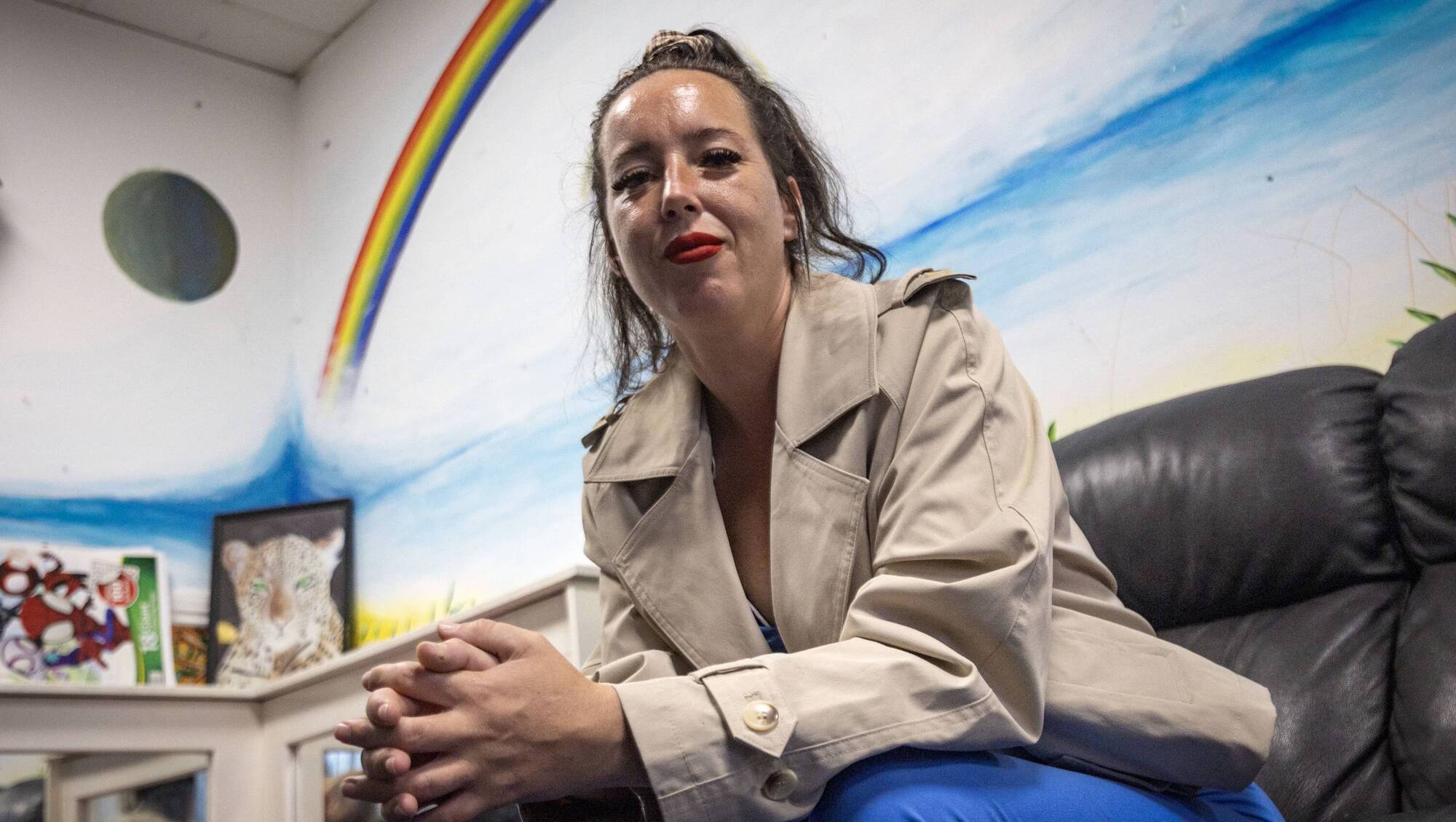
'Depaul made me believe in myself' says Bianca who previously struggled with substance abuse and homelessness. Picture: Dan Clohessy
Bianca will soon move into an apartment after 14 years of homelessness and mental health struggles.
Her advice to people who find themselves in a similar position is to keep asking for help.
She spoke out as Depaul Ireland warned homeless families feel lost and hopeless with a 93% rise in reports of mental health challenges including self-harm.
Chief executive David Carroll said: “What is particularly troubling is the increase in families and children coming our way.”
The charity works across the whole island of Ireland including Cork, Waterford, and Dublin.
Last year, five babies were born when their parents were being helped by Depaul. It supported 5,630 adults and 2,574 children.
“People feel lost, they’ve no sense of belonging,” Mr Carroll said.
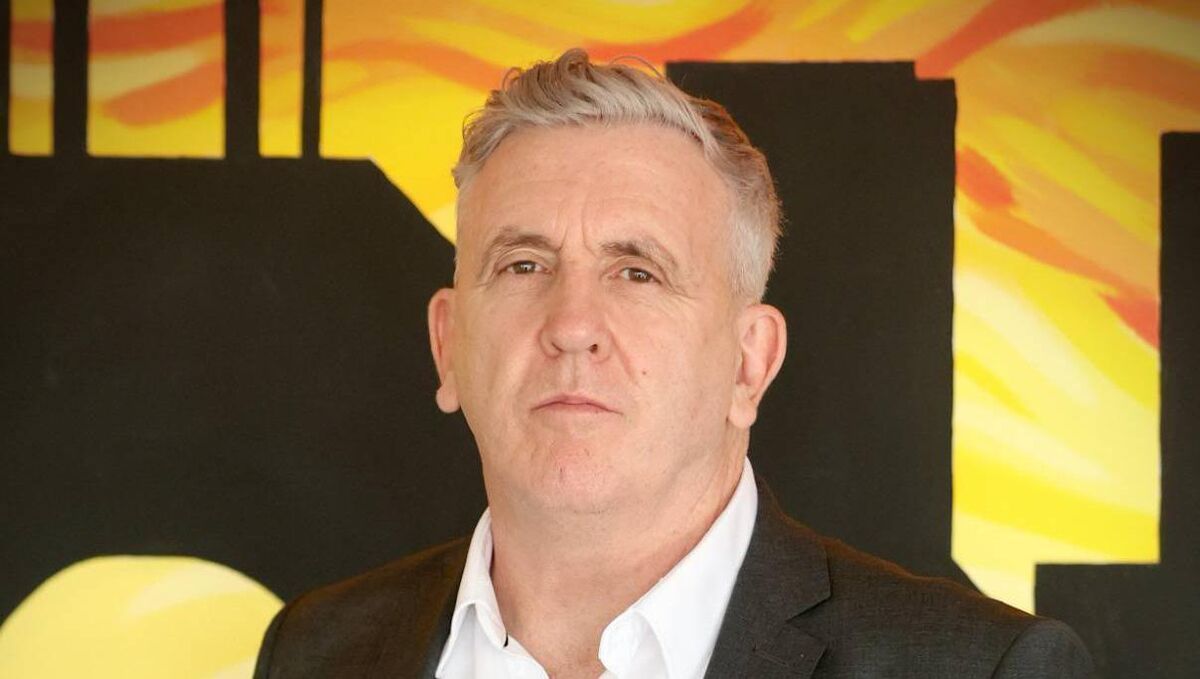
“They don’t know where they’re going to be able to put roots into their communities and there’s a general feeling of hopelessness around the people we’re working with.”
He said there is “a wider fragility”, adding: “We cannot sleepwalk into accepting homelessness figures as the new normal.”
The mental strain on people in temporary accommodation is being underestimated, he warned.
Last year, 1,361 people reported mental health concerns or support needs, nearly twice the previous year. The teams responded to 273 incidents of suicidal ideation and 129 incidents of self-harm.
It now offers a “mindset programme” with therapy and recovery planning. Staff offered a record 75,254 individual sessions last year.
Read More
A separate project called Housing First offers intensive help to people with complex mental health and addiction needs. This supported 169 people to keep rental tenancies going.
The charity also helped 914 households find a home.
Mr Carroll said: “When you put in the interventions, the proof of the pudding is we can get people out [of homelessness] despite the housing supply shortage.”
For Bianca, aged 34, who asked not to use her surname, said that supports changed her life.
“Depaul made me believe in myself,” she said. “They helped me to push myself harder, to believe I can live a normal life.”
In a few weeks she moves into an apartment with her 16-month-old daughter and teenage son.
“I’m in a lot better place now, a lot better, thank God. I want to live,” she said.
“Being homeless, you’re learning a whole new life of survival, basically you’re just surviving.
“You’re hopeless, I would have been suicidal at the end. Your hope is gone, I was dead from the inside out.”
Bianca struggled with substance abuse previously and her son had lived apart from her for some years.
She is taking addiction studies classes, with the intention of working in social support services. She confidently predicted she will be working with Depaul in a few years, a comment supported by staff in the room.
“One thing I’d tell anybody is never stop asking for help, somebody will listen,” she said. “It might take years but somebody will listen at some stage.
She advised anyone struggling: “Just keep asking for help, even if you feel like you’re getting nowhere.”
- Niamh Griffin, Health Correspondent
CONNECT WITH US TODAY



Be the first to know the latest news and updates