Ciarán Cannon: No, Seán Canney, 'everybody' is not responsible for road deaths
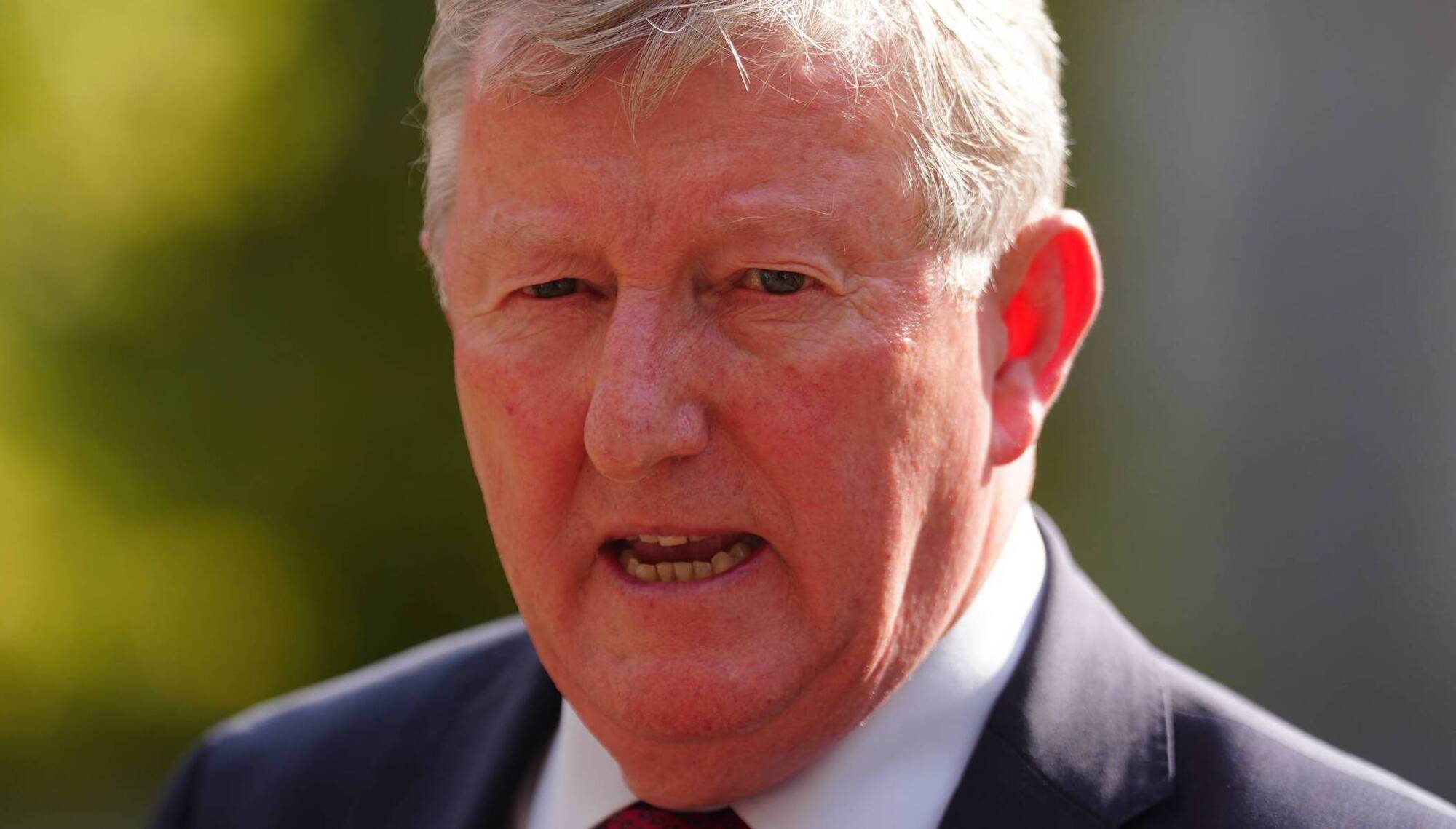
Seán Canney, the minister of State with responsibility for road safety, made a deeply troubling comment about road safety two weeks ago. Picture: Brian Lawless/PA
Last week was Irish Road Safety Week, although you might have missed that with all the fuss about the budget. Marking the week is intended to focus minds on the lives lost and shattered on our roads, and on what all of us can do to make them safer.
But in 2026, it’s important that we ask some much harder questions about whether Ireland’s road safety system is actually working.
Last year was the worst year for road deaths since 2014. This year so far, the position is even worse, with 144 people already dead, 16 more than at the same point last year. We are not merely falling short of Vision Zero. We are travelling in the wrong direction.
And that is why some recent comments from Minister of State Seán Canney are deeply troubling.
When asked two weeks ago about the worsening situation, he responded: “I don’t look at the record and say: ‘Is it a failure of me?’ It’s a failure of everybody involved, including road users.”
I find that an extraordinary response from the minister specifically charged with responsibility for road safety.
Of course road users have responsibilities. Anyone who gets behind the wheel of a car, gets on a bike, or uses our roads in any capacity has a responsibility to behave safely and obey the law.
But there is a world of difference between personal responsibility and political accountability.
Road users don’t decide how many gardaí are assigned to roads policing. They don’t install speed cameras. They don’t redesign dangerous roads or deliver the active travel infrastructure that can make those roads safer, particularly for people walking and cycling. They don’t determine national speed limits or decide whether commitments in our National Road Safety strategy are actually delivered.
Read More
It is simply not acceptable to respond to a worsening road safety record by spreading responsibility so widely that it becomes almost impossible to establish who is accountable for anything.
So we need to look not just at what the current Government says about road safety, but at what it has actually done.
In 2024, following an independent review by Indecon, the previous government decided to fundamentally restructure the Road Safety Authority.
The RSA’s substantial operational functions were to sit within an operations-focused agency, while a separate organisation, with dedicated exchequer funding, would focus on making our roads safer.
The important point was that government had recognised the status quo wasn’t working. Road safety needed sharper focus, clearer responsibility, and dedicated resources.
The current Government abandoned that reform.
Then there are speed limits. The 2023 Speed Limit Review, involving the Department of Transport, RSA, An Garda Síochána, TII, the NTA, and local government, recommended a default 30km/h limit on urban roads, with sensible exceptions where higher limits were appropriate.
The previous government accepted that direction and legislated accordingly. The current Government also chose to abandon that approach.
Instead, local authorities have now been directed to review their own roads and introduce lower limits on a piecemeal basis through local bylaws.
Why? If the evidence supported a national default in 2023, what has changed? Why replace something clear, consistent, and national with a county-by-county process requiring the support of local councillors?
Read More
There’s a similar problem with speed cameras. Ireland has a National Safety Camera Strategy, but remarkably, it contains no clear annual targets for the rollout of static or average speed cameras.
How many should be operating by the end of this year? How many next year? How many average speed camera systems should be in place by 2030? We simply don’t know.
If we publish a strategy without saying what we intend to deliver, by when, how can anyone judge whether it has succeeded?
There is another revealing contrast. The previous government cut most public transport fares by 20%, always a good idea when trying to encourage people to avail of public transport.
The National Transport Authority itself has repeatedly made the road safety case for public transport. Its Greater Dublin Area Transport Strategy says that the reduction in casualties expected from the strategy is due primarily to reduced car use.
Read More
Yet the current Government is now overseeing an average 15% increase in adult public transport fares from 2027.
If one arm of the State is telling us that getting people out of cars and onto public transport makes our roads safer, making that alternative more expensive seems a strange direction of travel.
This is the problem I keep coming back to. Who is actually responsible?
When a commitment in the Road Safety Strategy isn’t delivered, who answers for it? When an expert recommendation isn’t implemented, who explains why? When targets are missed, who identifies what went wrong and requires corrective action?
At present, responsibility is spread across Government departments, the RSA, An Garda Síochána, local authorities, and other State agencies.
And now we are told that failure belongs to “everybody”. That’s precisely the problem.
I have previously argued for an independent road safety commissioner, reporting directly to the Oireachtas, with the authority to scrutinise delivery of our Road Safety Strategy, identify missed commitments, require information from public bodies, and establish who is responsible when things aren’t happening.
I am now even more convinced of the need for that office.
The passing of Irish Road Safety Week should remind every one of us of our responsibilities on the road. But it should also remind the Government of its responsibility to lead.
- Ciarán Cannon is the president of Cycling Ireland and a former minister of state


CONNECT WITH US TODAY



Be the first to know the latest news and updates