Scale of 'dark money' flowing through Ireland a threat to national security, report warns
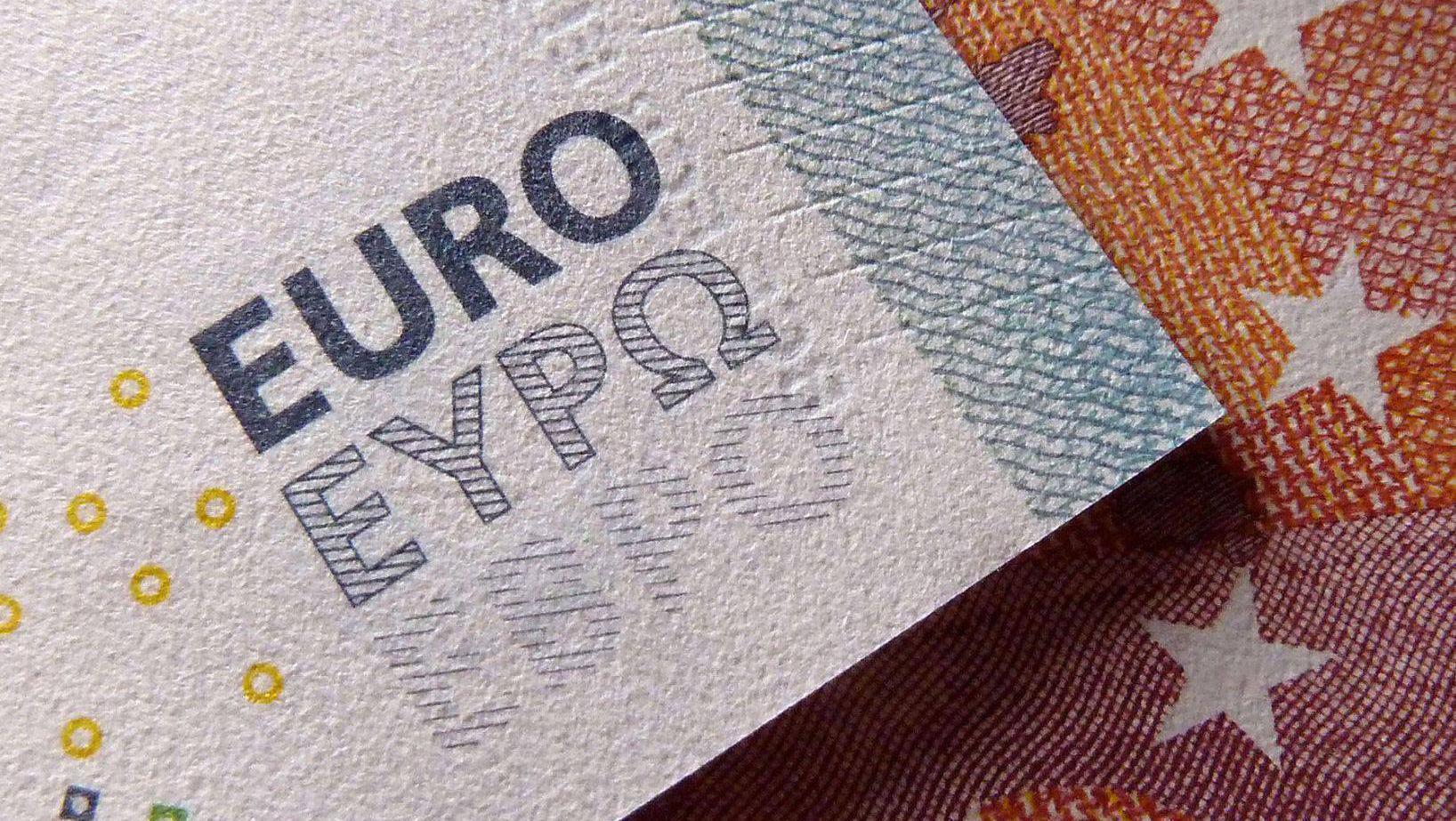
The report warned that gaps in enforcement measures are limiting the ability to tackle how dark money — the proceeds of corruption, organised crime, and other illicit activities — flows through the Irish financial services sector. File picture: Getty
The scale of “dark money” flowing through Irish financial services should be considered a national security threat, according to an Oireachtas committee.
A new report by the Joint Oireachtas Committee on Finance, Public Expenditure, Public Service Reform, and Digitalisation has also expressed concern about the Government’s response to tackling the problem of “dark money” and funding levels for anti-money laundering enforcement by the State.
The report warned that gaps in enforcement measures are limiting the ability to tackle how dark money — the proceeds of corruption, organised crime, and other illicit activities — flows through the Irish financial services sector.
The committee, which is chaired by Sinn Féin TD, Mairéad Farrell, observed the risks posed by dark money include sanctions circumvention, money laundering, the financing of terrorism, and financial stability, which all pose a threat to Ireland’s reputation as a location for financial services.
“If the State is not sure what it is assisting financially, it risks being complicit in financing conflict,” it added.
The committee has called on the minister for finance, Simon Harris, to fully implement its recommendations “as a matter of priority.”
Read More
Its findings drew on evidence provided to the committee earlier this year by Transparency International Ireland, which also identified the need for greater regulation of Special Purpose Entities (SPEs), which hold over €1.3 trillion in funds, and Section 110 tax arrangements, which allow SPEs to treat their assets in a tax-neutral manner.
“Having held an in-depth consideration of the topic of dark money with Transparency International Ireland, the committee believes that there are significant issues at present with the Government’s response to this issue,” the report stated.
Transparency International Ireland claims Ireland’s exposure to dark money is significant, with net assets in Irish-domiciled funds totalling €5.5tn.
While the organisation could not say how much could be considered dark money, it noted the UN has estimated that illicit sources account for 2% to 5% of global GDP, which indicated the figure was “more than likely in the billions than in the order of millions".
The group told the committee that the State’s willingness to take robust action against illicitly obtained foreign assets remains “unproven.”
Among the report’s recommendations were reducing the threshold for disclosing beneficial ownership of entities below 25% and improved resourcing of An Garda Síochána and other regulatory agencies, which tackle money laundering and analyse cryptocurrency transactions.
The committee also called for a strengthening of the Standards in Public Office Commission’s powers and resources to provide greater information about the funding and spending of political parties in Ireland.
Welcoming the report, Transparency International Ireland said its recommendations closely reflected issues which it had been raising over several years.
TI Ireland’s chief executive, John Devitt, said there were still several areas where the Government's response to illicit finance “do not yet go far enough.”
Mr Devitt pointed out that resourcing of the Garda National Economic Crime Bureau and its Financial Intelligence Unit is not addressed in any of 30 priority actions in the Government’s Anti-Money Laundering Action Plan, despite repeated domestic and international calls for increased capacity.
He said supervision of SPEs also remained a major gap as the Central Bank of Ireland has previously acknowledged that 90% of SPEs fall outside the scope of anti-money laundering supervision.
Mr Devitt added: “The recommendations reflect a growing cross-party consensus that Ireland’s role as a leading international financial centre brings serious responsibilities as well as economic benefits.” TI Ireland called on the Government to set out clear timelines for implementation of the report’s recommendations.

CONNECT WITH US TODAY



Be the first to know the latest news and updates