Garda fitness test: Male applicants more successful than women
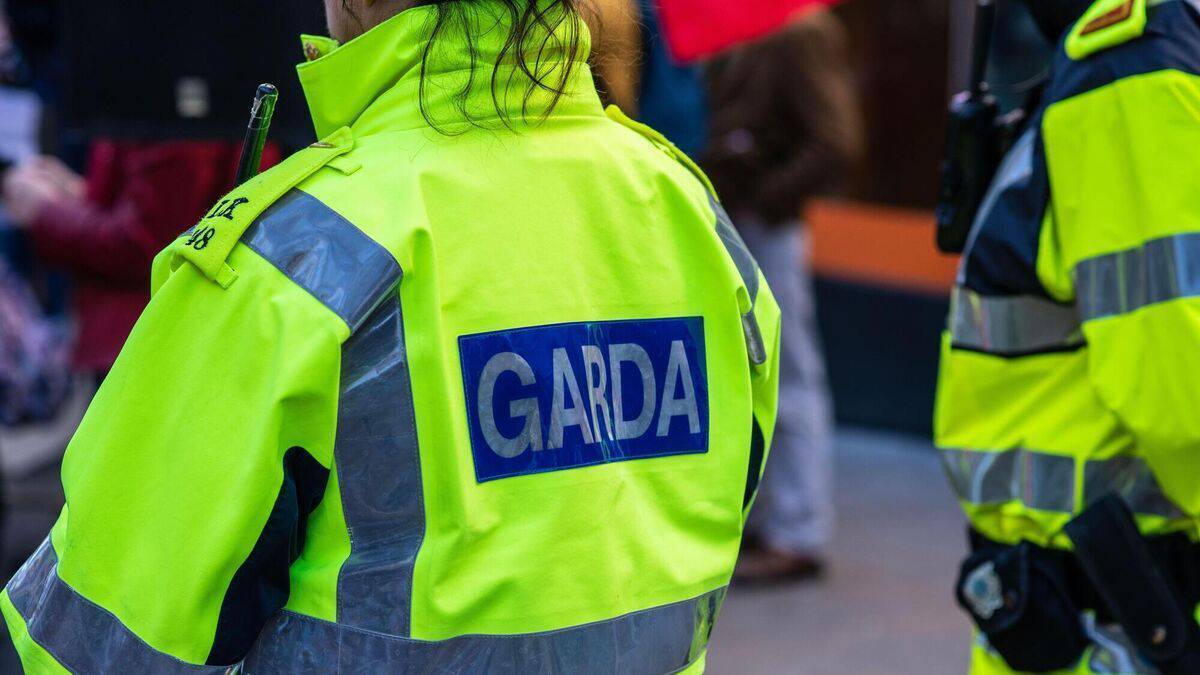
All Garda applicants undergo a standardised physical competency test as a crucial phase about five months into the Garda application process and subsequent training.
Fewer women are attempting the obligatory assessment of physical fitness for prospective gardaí, but men are performing better since a newly structured test was introduced last year, data show.
Last year saw the lowest number of female applicants taking the obligatory Garda Physical Competency Test since 2021.
Last year also saw the highest percentage in six years of male applicants passing the test first time round, as well as one of the lowest failure rates.
All Garda applicants undergo a standardised physical competency test (PCT) as a crucial phase about five months into the Garda application process and subsequent training.
Applicants must pass both components of the test within a strict total time limit and require “exceptional” levels of cardiovascular endurance, agility, and mental focus.
Historically, physical testing has proven a major hurdle for applicants, with official figures showing nearly a third of applicants failed previous iterations of the entry test.
In 2025, compared to female applicants, more males passed the tests on the first attempt.
On the other hand, more female applicants failed the fitness test in 2025 — the year a newly structured fitness test was introduced — than in 2020.
Read More
In 2024, gardaí said the failure rate among male and female applicants was about the 30% mark and, at the time, suggested the increased "sedentary" lifestyle of applicants under 30 might be a contributing factor in the overall failure rate.
Figures released to the on how many applicants passed or failed the tests between 2020 and 2025 show female applicants had the highest failure rate when compared to their male counterparts.
The failure rate was 8.7% in 2025, when 444 female applicants took the test. That was down from the rate of 23.7% in 2024, when 227 participated. In 2020, it was 2.7% of 72 women.
As well as having a higher failure rate, female applicants also had a high failure rate in first-time attempts at passing the tests.
Just over 40% of female applicants only passed tests after a second attempt in 2021.
This was the highest number of female applicants only passing tests on their second attempt.
In contrast, the failure rate among male applicants was between 0% in 2020, when 162 took the test, and 5.98% of 501 in 2024.
The failure rate fell back to 1.25% of 1,033 men in 2025.
Gardaí and the Garda Representative Association were asked to comment.
A review of the Garda Physical Competency Test was announced in the summer of 2024 to ensure it achieved “the best result for the requirements of being a member of An Garda Síochána”.
An external expert from the Dundalk Institute of Technology reviewed it on behalf of An Garda Síochána.
The review was assisted by Garda trainers from the Garda College and has been trialled and validated by hundreds of operational gardaí and trainees.
The modernised format is designed to ensure all prospective trainees possess the exact physical capabilities required for frontline duty.
A medical examination, substance misuse testing, and Garda vetting are also carried out during this stage in an applicant's application to join the gardaí.
CONNECT WITH US TODAY



Be the first to know the latest news and updates