State spend on refugee and asylum accommodation to decline by €682m next year
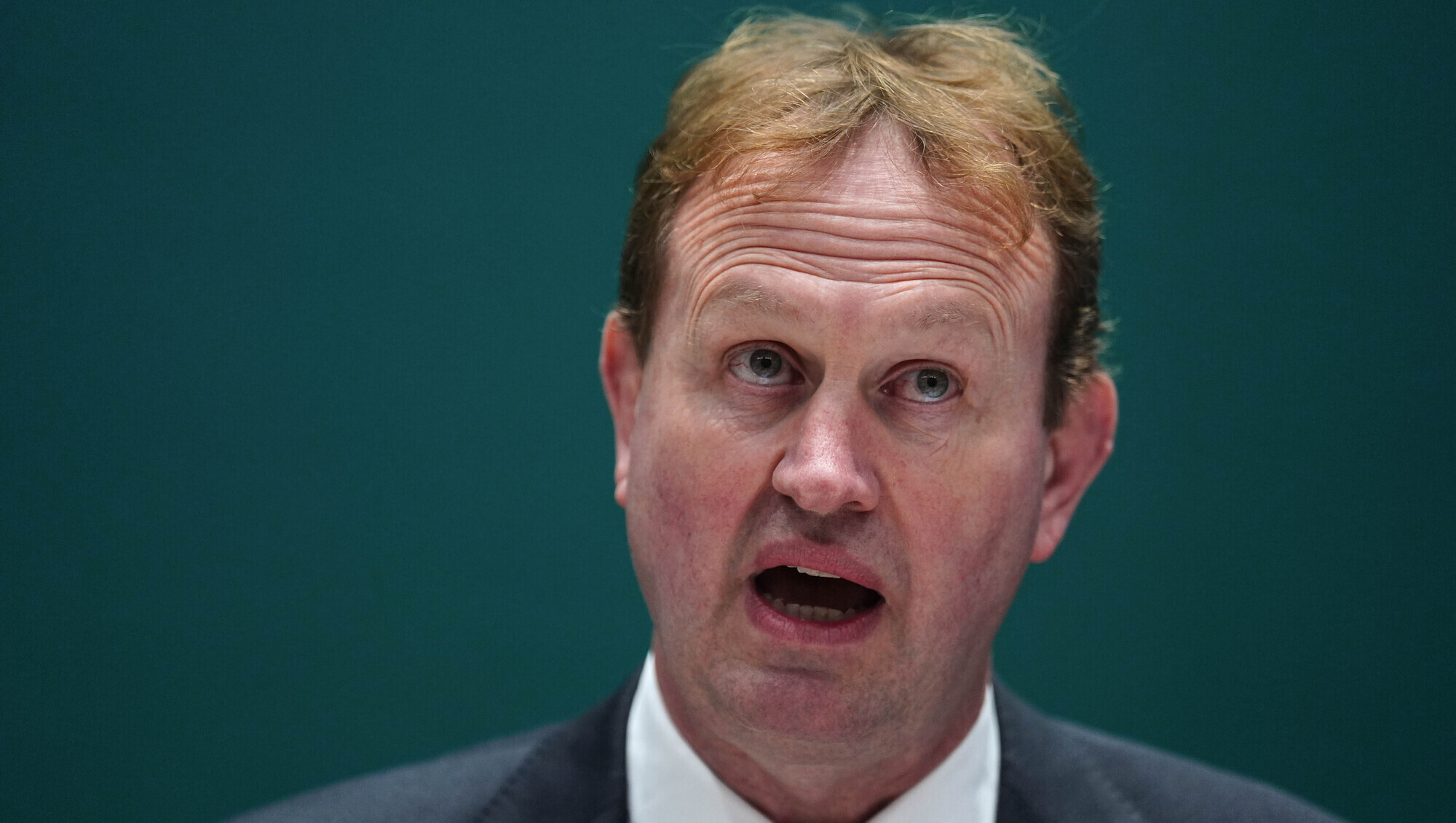
Justice minister Jim O'Callaghan: 'In 2024, the cost of Ukrainian accommodation was €1.16bn. In 2026 it was down to €606m and we're looking at next year to have an allocation in the region of €177m.' Picture: PA
The Department of Justice is set to save over €680m next year as a result of changes to the State's accommodation systems for Ukrainian refugees and international protection applicants, justice minister Jim O'Callaghan has said.
Mr O'Callaghan confirmed that Budget 27 includes projected savings of €682m, with increased funding for Garda recruitment and measures to tackle domestic, sexual, and gender-based violence.
The minister argued the figure "understated" the savings by his department since 2024.
"In 2024, the cost of Ukrainian accommodation was €1.16bn," he said. "In 2026, it was down to €606m, and we're looking at next year to have an allocation in the region of €177m."
Mr O'Callaghan also pointed to falling expenditure on accommodation for international protection applicants, with spending reducing from €1.27bn in 2025 to less than €1bn next year.
He said the reductions were the result of a number of "difficult reforms" implemented by the Government in recent years.
“They've also been done sensitively and methodically," he said. "I'm pleased to say they have not resulted in what some people thought may happen [which] was homelessness of Ukrainian people in the area.”
Among the measures announced by Mr O'Callaghan was funding to train a further 1,000 gardaí in 2027 as part of efforts to expand the force.
Asked about the prospect of large numbers of retirements in the coming years, the minister acknowledged it would present a challenge.
He said he would continue to look favourably on requests from gardaí seeking extensions to their retirement age, and argued that recruitment was "going well".
Mr O'Callaghan said Garda recruitment had improved significantly, with around 200 recruits now graduating from Templemore at each passing-out ceremony, and a similar number entering training shortly afterwards.
He said that if the current pace is maintained across five passing-out classes a year, An Garda Síochána could add about 1,000 newly trained gardaí annually.
Mr O’Callaghan said he expects a pilot project around the use of electronic tagging to have between 40 and 60 people “subjected to tagging”.
“Of course, if it's successful, it's something that I want to see rolled out on a much wider basis,” Mr O’Callaghan said.
“It is very effective, not just in terms of prison population, but also in the area of domestic violence as well. If somebody has been convicted of being charged with an offence, it's really important to be able to monitor where they are and to ensure that they're complying with their bail conditions.”
Mr O’Callaghan said he did not have a figure for the wider rollout of electronic tagging, but that he wanted to see it rolled out “quite considerably”.
Read More
The minister for justice was also asked about proposals from the Labour Party to establish a fund to assist women fleeing situations of domestic violence. He said he would prefer to put money into creating more refuge spaces.
“The primary necessity for a woman who finds herself in the emergency situation of having to flee the home because of domestic violence is to get herself, and frequently her children, accommodation," said Mr O'Callaghan.
“That’s why I’m trying to ensure that around the country we have sufficient refuges and safe homes for people in the short term to be able to flee there.”


CONNECT WITH US TODAY



Be the first to know the latest news and updates