Rise in education spending pushes monthly inflation to highest level in almost two years
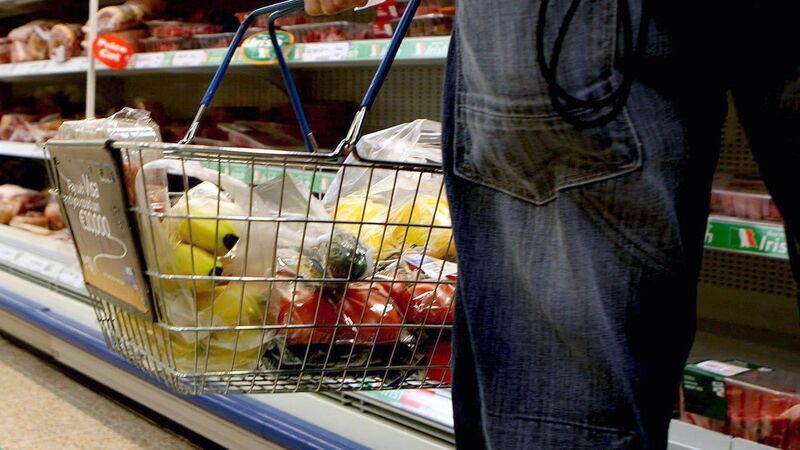
The Central Statistics Office recorded a €0.62c hike in the cost of a kilo of cheddar, €0.55c rise in the price of a pound of butter, and an €0.11c escalation in the price of a white bread sliced pan over the 12 months. File photo
Retail goods prices rose markedly last month, with the rate of inflation now the highest seen in close to two years, according to the Central Statistics Office.
The latest edition of the Consumer Price Index (CPI) shows that prices rose by 3.2% year-on-year in the 12 months to the end of November. That hike is the highest inflation metric posted since the 3.4% seen in February of last year, and up on the 2.9% seen in October 2025.
CSO statistician Anthony Dawson said the price hikes seen in November were broadly the result of increases in education spending — a direct result of the removal of a €1,000 dispensation on student fees dating from October 2024.
While the Government permanently reduced the annual student fee contribution to €2,500 from €3,000, the removal of the 2024 cut saw students paying effectively €500 more than 12 months previously, with education spending up 8.9% as a consequence.
Clothes and footwear saw the next most significant price increases — up 4.4% over the year.
Meanwhile, the CSO’s standard ‘basket of goods’ metric — which tracks the cost of typical household purchases on a monthly basis — saw increases on almost all items covered, including a €0.62c hike in the cost of a kilo of cheddar, €0.55c rise in the price of a pound of butter, and an €0.11c escalation in the price of a white bread sliced pan over the 12 months.
The price of potatoes bucked the inflationary trend however, with the cost of a 2.5kg bag decreasing by €0.22c year on year.
Separately, the CSO published its updated household saving rate for Irish families, which showed that 14.8% of household disposable income was saved across the third quarter of 2025.
The rate outstripped the 13.1% of disposable income saved between April and June of this year, while the new rate — which equates to €1 in €7 of disposable income being saved — was above the averages seen in both 2023 and 2024.
The CSO said the higher rate of saving had resulted from a combination of an increase in incomes of 1.7% coupled with a small decrease in the overall consumption trends seen in Irish households.
The overall savings rate has normalised somewhat in recent years after rising to beyond 25% during the covid pandemic, when many goods and services were inaccessible or closed for business.
Read More
CONNECT WITH US TODAY



Be the first to know the latest news and updates