Energy regulator warns of ‘historic’ arrears as electricity credits end and prices climb
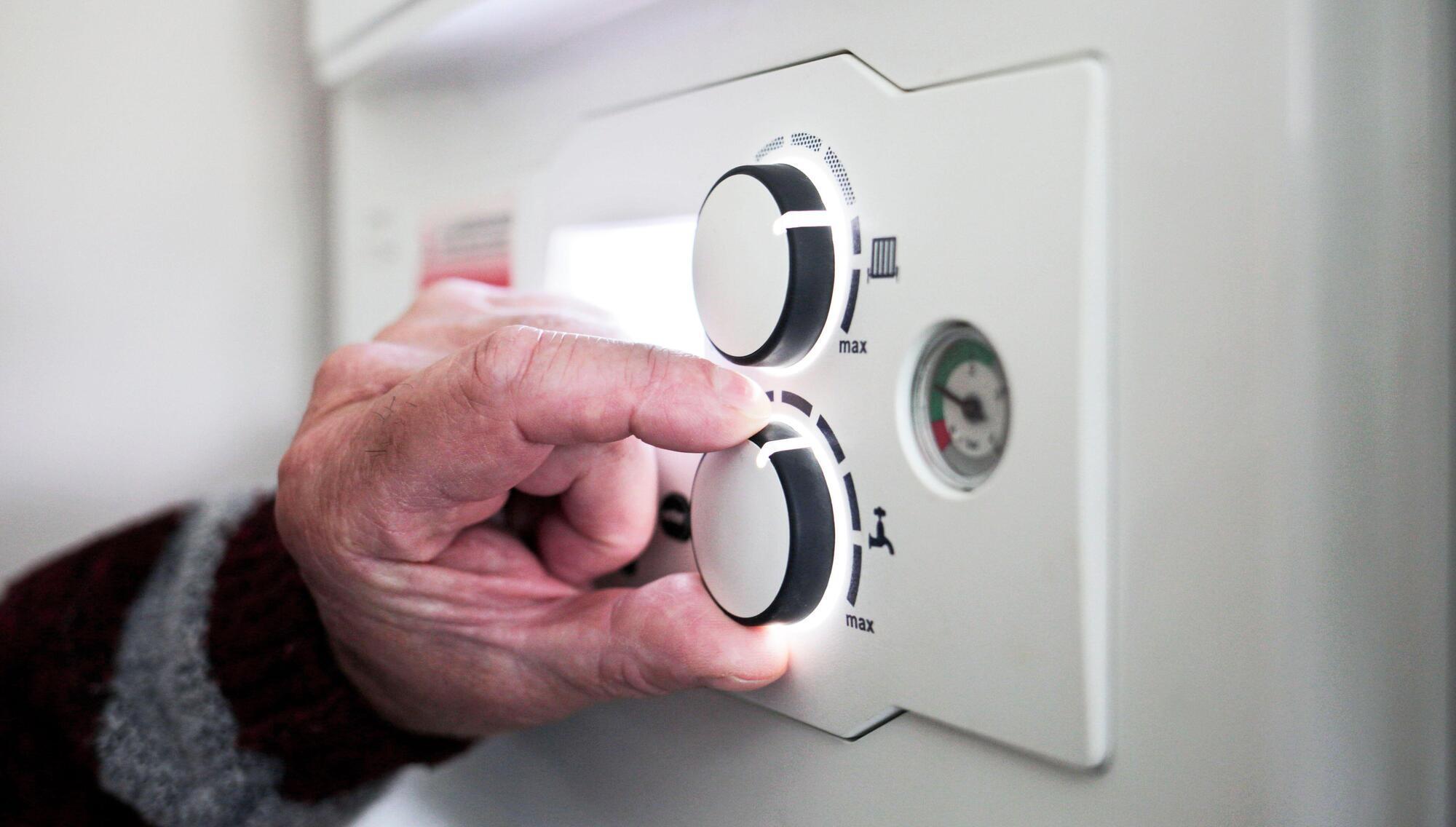
The CRU has outlined a series of measures to try to protect electricity and gas customers. One measure places further requirements on energy suppliers when they are engaging with indebted customers who may benefit from entering a repayment plan. Picture: Stuart Boulton/PA
Thousands more households could fall into arrears on their energy bills this winter, even as the numbers are already “trending at historically high levels”, the energy regulator has warned.
The situation is exacerbated by the fact government electricity credits cease this winter and electricity prices could rise further in the coming weeks.
The Commission for Regulation of Utilities (CRU) pointed out arrears continued to climb even when all households received money off their bills through the credits.
“As of July 2025, the weighted average price of standard electricity and gas tariffs respectively stood at 69% and 102% higher than what they were in January 2021, while the value of arrears on both the domestic electricity and gas markets increased over the past winter,” it said.
According to recent figures, over 300,000 households in Ireland are behind on their electricity bills while 174,891 households are in arrears on their gas bills.
Bonkers.ie head of communications Daragh Cassidy agreed with the regulator that the level of arrears is likely to increase in the months to come.
“There is also the possibility that some suppliers will announce price increases over the coming weeks,” he said.
The CRU has outlined a series of measures to try to protect electricity and gas customers. One measure places further requirements on energy suppliers when they are engaging with indebted customers who may benefit from entering a repayment plan.
This is on the back of increased levels of customers not being able to complete repayment plans in the last year.
The commission said energy suppliers must assess a customer’s ability to meet the repayments as a starting point of any plan and explain clearly to them what they’re signing up to in advance. These plans must be flexible for a minimum of 18 months.
Furthermore, those on financial hardship pay as you go meters must be put on the most economic tariff available while the debt repayment level on such meters will increase from 10% to 15%.
The moratorium on disconnections, meanwhile, will run from November 1 to March 31 for special services registered vulnerable customers. The moratorium for all other domestic customers will run from December 8 to January 16.
The CRU has said that “longer moratoria, in addition to longer repayment periods, results in customers not engaging with their supplier and reducing their debt which does not benefit customers as debt levels then continue to increase”.
It said it will be publishing a call for evidence on bill transparency, supplier offerings to customers and how those struggling to pay bills can be further supported.
It added that disconnection levels are low and it hopes these new measures will help customers throughout the winter.
Of the measures, CRU’s director of customer policy and protection Karen Trant said: “NGOs are reporting more customers in distress, and it is essential that households are protected.
"These measures will remain in place until the next review expected in summer 2026."
Sinn Féin MEP Lynn Boylan, meanwhile, said another year of “temporary” measures from CRU reflects badly on the Government’s handling of the energy crisis.
“If protections were working, we wouldn’t be staring at a surge in arrears,” she said.
“Just last month, the regulator confirmed bills will rise again because of network charges and the PSO levy — costs loaded onto ordinary families while data centres are spared. The government could rebalance that burden tomorrow, but it chooses not to. That tells you everything.”

CONNECT WITH US TODAY



Be the first to know the latest news and updates