Proposed short-term let regulations ‘weakest in Europe’

The Short-Term Letting and Tourism Bill, which is expected to be introduced to the Dáil next Tuesday, places greater restrictions on short-term accommodation, such as Airbnbs.
The Government’s plan to tackle short-term lets has been criticised as "rewarding" businesses that have been operating without planning permission.
Homelessness prevention charity Threshold said that while the bill is an "important step forward", it is concerned about a two-year grace period for short-term lets in less populated areas.
The inclusion of a ‘grandfather clause’, which favours granting planning permission to short-term lets in operation for seven years, has also been criticised by Sinn Féin.
The Short-Term Letting and Tourism Bill, which is expected to be introduced to the Dáil next Tuesday, places greater restrictions on short-term accommodation, such as Airbnbs.
Under the Government’s proposal, planning permissions for short-term lets are to be restricted in 25 areas with populations greater than 20,000 — which include Dublin, Cork, and Limerick.
A draft national planning statement on short-term lets, published in June, states that for short-term lets in operation for seven years, regardless of the population size of the area it is in, “there shall be a presumption in favour of granting planning permission for short-term letting”.
There are a number of conditions attached to this, including that the property needs to have been in continuous use as a short-term let and to have had no enforcement action taken against it.
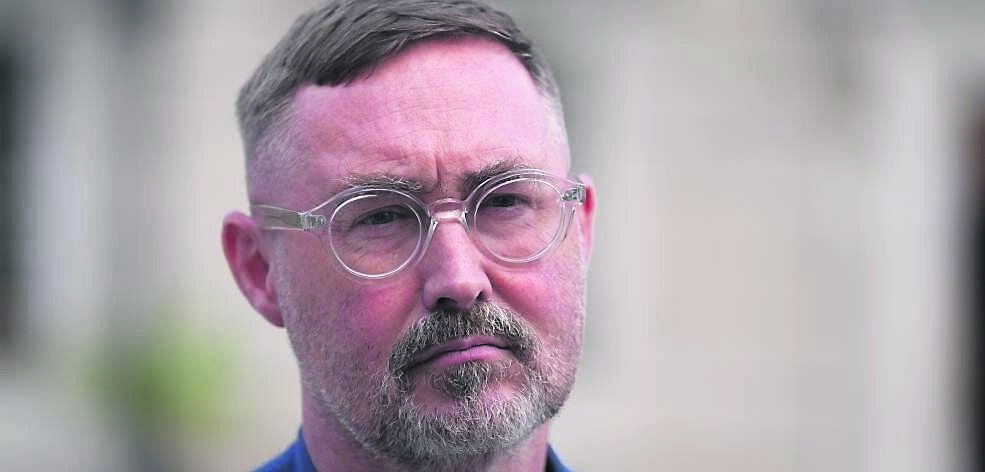
Sinn Féin housing spokesperson Eoin Ó Broin said the Government’s plan is “the wrong approach”, and that the grandfather clause will “undermine” the regulation of the sector.
He said the clause effectively “rewards” Airbnb hosts who had breached planning requirements for seven years.
“This issue has been ongoing for a decade, and so there will be a significant amount of commercial short-term lets that will have been operating for seven years or more,” he said. "A huge number of short-term lets will be presumed compliant.
“These so-called restrictions will be among the weakest I’ve come across in Europe or the US.”
The Government’s bill will also introduce a national register for short-term lets, overseen by Fáilte Ireland, requiring anyone letting out a property for up to 21 consecutive nights a year to sign up from December 1.
Short-term let hosts in areas with populations of under 20,000 will then have two years to apply for planning permission — which was raised as a concern by both Threshold and Mr Ó Broin.
"It is important to remember that obtaining planning permission for short-term lets has always been a legal requirement," Threshold stated. "Businesses that have been operating outside the law should not be rewarded with extended transition periods."
The Department of Housing has said that in the seven years that planning permission has been required for short-term lets, around 1.3% of all such properties have applied for it, with around 43.6% receiving approval.
The planning document published in June refers to analysis by the Housing Agency that indicates almost 17,000 properties are being fully used for short-term lets in areas of “high housing demand” and that between 5,500 and 9,500 could be brought back into use as long-term housing.
Airbnb and the Department of Enterprise, which is the lead department for the bill, has been contacted for comment.

CONNECT WITH US TODAY



Be the first to know the latest news and updates