Ireland the second most expensive country in the EU for consumers
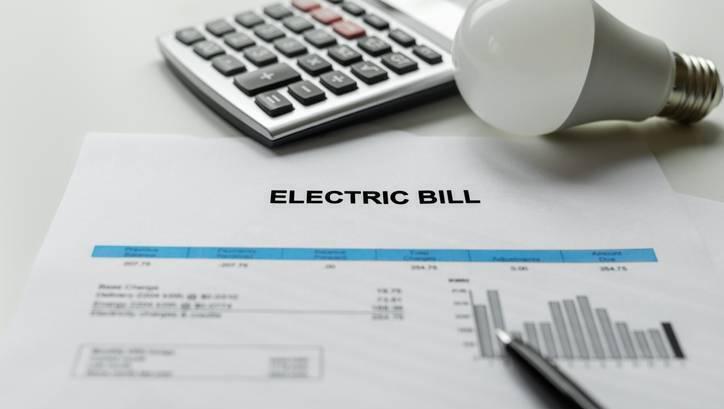
'We pay an awful lot more for energy because we have to import a significant amount of our energy on the island... We are producing more renewable sources of energy on the island, but one of the issues there is data centres are kind of gobbling up anything that we're producing.'
Ireland remains the second most expensive country in the EU for consumers, with goods and services costing 36.2% more than the bloc average.
Only Denmark, where prices were 39.7% above the EU average, was more expensive, according to a Central Statistics Office study comparing 62 measures of economic and social progress across the EU's 27 member states.
High prices can be partly pinned on Ireland’s geographical location and unique social issues, as well as its higher-earning workforce, according to Oliver Browne, a business lecturer at University College Cork.
“Ireland is a small economy on the periphery of Europe, not connected with the mainland... it's difficult to get external competition into the market in Ireland relative to mainland Europe,” Mr Browne told the .
“We pay an awful lot more for energy because we have to import a significant amount of our energy on the island... We are producing more renewable sources of energy on the island, but one of the issues there is data centres are kind of gobbling up anything that we're producing.
"More than the rest of Europe, we have a housing crisis, which is making rent and housing quite sizeably more expensive than it potentially should be in a balanced market."
Ireland had the highest proportion of STEM graduates in the EU, with 39.8 graduates per 1,000 people aged 20 to 29. More than six in 10 people (63%) aged 25-34 held a third-level qualification in 2023, the highest rate in the bloc.
Life expectancy in Ireland rose to 83.1 years, the sixth highest in the EU, and up two places on 2023. Women are expected to live 3.3 years longer than men, whose average life expectancy is 81.4 years.
Ireland and Malta recorded the joint lowest divorce rate in the EU in 2024, at 0.9 divorces per 1,000 people, compared with an EU average of 1.6.
Ireland's fertility rate stood at 1.47 in 2024, joint fourth highest in the EU alongside Denmark. However, all 27 member states remained below the replacement rate of 2.1 births, the level needed to maintain a stable population.
“The release shows how Ireland's population has grown at the third fastest rate in the European Union in the last 10 years, up by more than 16% when compared with an EU27 average of less than 2%,” said CSO statistician Hamda Ajmal.
“It also shows that the proportion of the population aged 65 years or over increased from 13.3% in 2016 to 16.1% in 2026."
Conversely, the proportion of the population aged 25-44 decreased from 29.6% in 2016 to 27% in 2024, while the proportion aged up to 14 decreased by 18% from 2016 levels.
Mr Browne said Ireland was in the slow process of preparing for a "pension time bomb" where more older people will become reliant on the State pension and removed from the working population.
"We know that that is coming, and we are changing the way PRSI is being paid, and people will have to have private pensions, which we've started.
"We possibly aren't going as fast as we should, but we are conscious of it and making steps to do it. But that's a 20-year problem."
More than one in 10 people in Ireland (12.6%) were considered at risk of poverty. People aged up to 17 had the highest at-risk-of-poverty rate at 16.9%, and people aged 18-34 had the lowest rate at 9.3%.
CONNECT WITH US TODAY



Be the first to know the latest news and updates