Brexit to force EU extradition releases
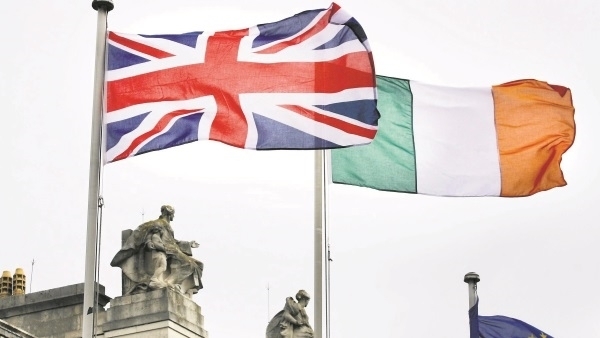
The bulk of 35 people currently in custody or on bail pending surrender to Britain under the EU extradition system are set to be released if Brexit goes ahead in less than a fortnight, an Irish legal expert has said.
Britain is due to leave on April 12 if Westminster votes down the withdrawal agreement for a third time this week or if Theresa May does not bring it before the British parliament.
Under last Thursday’s decision by EU leaders, if the deal is passed, Brexit will be pushed back to May 22.
Figures supplied to the Irish Examiner by the Department of Justice show that 330 active European Arrest Warrant (EAW) requests from Britain are on hand — and that 214 of these have been endorsed by the courts.
Of those endorsements, 35 have resulted in arrests here, with the people either in custody or on bail.
The department said that the 330 EAWs from Britain did not mean the people were known to be here, but were being sought by the UK across the EU in general.
Despite repeated requests, going back to the end of January, the Department of Public Prosecutions (DPP) has not provided details to the Irish Examiner as to how many EAW requests have been sent to Britain and their status, including of those arrested, come Brexit.
The EAW is used for the speedy surrender among member states of people wanted to face charges for a criminal offence or to serve a sentence.
“Once the UK becomes a third country, the European Arrest Warrant system will cease to apply to the UK,” the department said in a statement.
Barrister Anthony Hanrahan, co-author of The European Arrest Warrant in Ireland, said: “In general, when EU law ceases to apply with respect to the UK and EAWs from the UK, even if endorsed, cannot be acted upon.”
In relation to those in custody awaiting extradition, he said: “In layman’s terms, unless something else is holding them, they would have to be released.”
He said one exception would be those in custody on separate matters.
He said that for those on bail facing extradition under EAW would be “released” from those bail conditions.
In relation to people arrested in Britain on foot of Irish requests, Mr Hanrahan said that it was difficult to say, saying it would be a “matter for UK law”.
The Department of Justice said is has been taking steps “to mitigate the potential impact” Brexit would have on the “small number of cases” where a person has been detained here under a UK EAW request.
It said work has been ongoing for some time across a number of divisions in the department, An Garda Síochána, the Attorney General, and the DPP to ensure that “new arrangements are ready to be applied immediately” and that there would be “minimal disruption to extradition procedures”.
It said legislation recently passed by the Oireachtas in the Brexit Omnibus Bill was aimed to do just this in utilising the 1957 Council of Europe Extradition Convention (which the UK is party to) and making necessary amendments to it.
Justice Minister Charlie Flanagan has previously said that while this convention was “not as effective or efficient” as the EAW, it provided a “workable solution” until a full extradition system was agreed with the UK.
Mr Hanrahan agreed that the convention and the 1965 Extradition Act provided a “workable” system and said people have been extradited under it.
He said there could be a “transition period” between the end of the EAW and the new system.
He said fresh warrants under the 1957 Act could be issued for those released from EAW warrants.