Fine Gael TDs divided on €5k salary hike
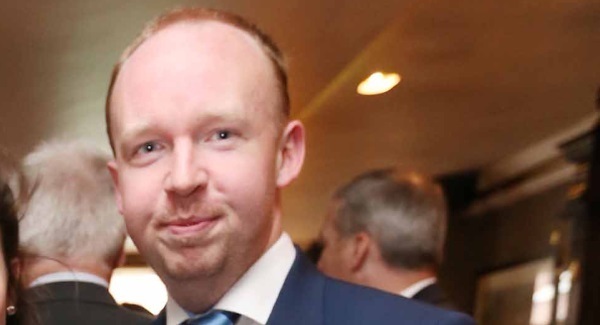
Dublin North West TD Noel Rock yesterday said he would not be accepting the increase which is part of the civil servants’ pay restoration under the Haddington Road Agreement.
However, a number of Fine Gael politicians said it would not be a good idea to sever the linking of TDs wages to the civil service pay scale as it would make their salary a political issue.
Education Minister Richard Bruton said: “There was a time when politicians decided what their pay was and that was scrapped which was right and, instead, a link was put to a position in the public service.”
As a result, TDs are due to see a bump in their pay when wages are restored to principal officer level in the civil service.
Chair of the Fine Gael parliamentary party Martin Hayden said: “I do feel that we need to be careful not to undervalue the job, and I am mindful of people who may come after us.
“It is very expensive to run for the Dáil. If the structure changes too much, the only people who would be able to run would be people with the means to back them up or people with secure jobs in the civil service they can go back to.”
He said TDs were one of the first group to experience a pay cut after the crash.
A number of other Fine Gael TDs did not wish to comment on the issue, including Bernard Durkan who said: “I don’t think it would be fair that I would suggest to other TDs what to do.”
Although Mr Rock, made it clear he will not be taking any additional wages, he said he would not be putting pressure on any other party members to do the same.
“The genesis of my political career was my refusal to take unvouched expenses as a councillor.
“This pay rise came up and I am of a generation where a lot of my peers are teachers and nurses and are fighting for a partial restoration. For me, such a large pay rise would be unacceptable.”
Speaking on RTÉ radio, Mr Bruton said it would be a matter for the Dáil: “I believe that politicians should take a lead and I think we have, throughout this.”
Meanwhile, 86 TDs and Senators who lost their seats or didn’t seek re-election are currently receiving average ‘termination payments’ of over €40,000.
It follows the Oireachtas setting aside €3.5 million in ‘termination payments’ or redundancy payments for this year and next year for the eligible 86 TDs and Senators who lost their seats in this year’s elections.
New documentation published by the Houses of the Oireachtas concerning its 2017 Estimates of Expenditure confirms that this year it is projecting to spend €3.388 million in ‘termination payments’ and a further €109,000 under the same heading next year.
In addition, the Oireachtas has set aside €15.4m for a pension fund and annual pensions are usually paid out after termination payments have been made.
However, the vast bulk of the pension payments would be paid out to former TDs and Senators who vacated their seats in prior elections.
The annual spend on pensions is one of the Oireachtas’s biggest annual single outlays and the spend on pensions this year is expected to be more than the Oireachtas’s combined €14.6m spend on office equipment and external IT (€9.2m); office premises expenses (€2.9m); and consultancy services (€2.5m).