'We need to stay strong and believe in the happy future of Ukraine'
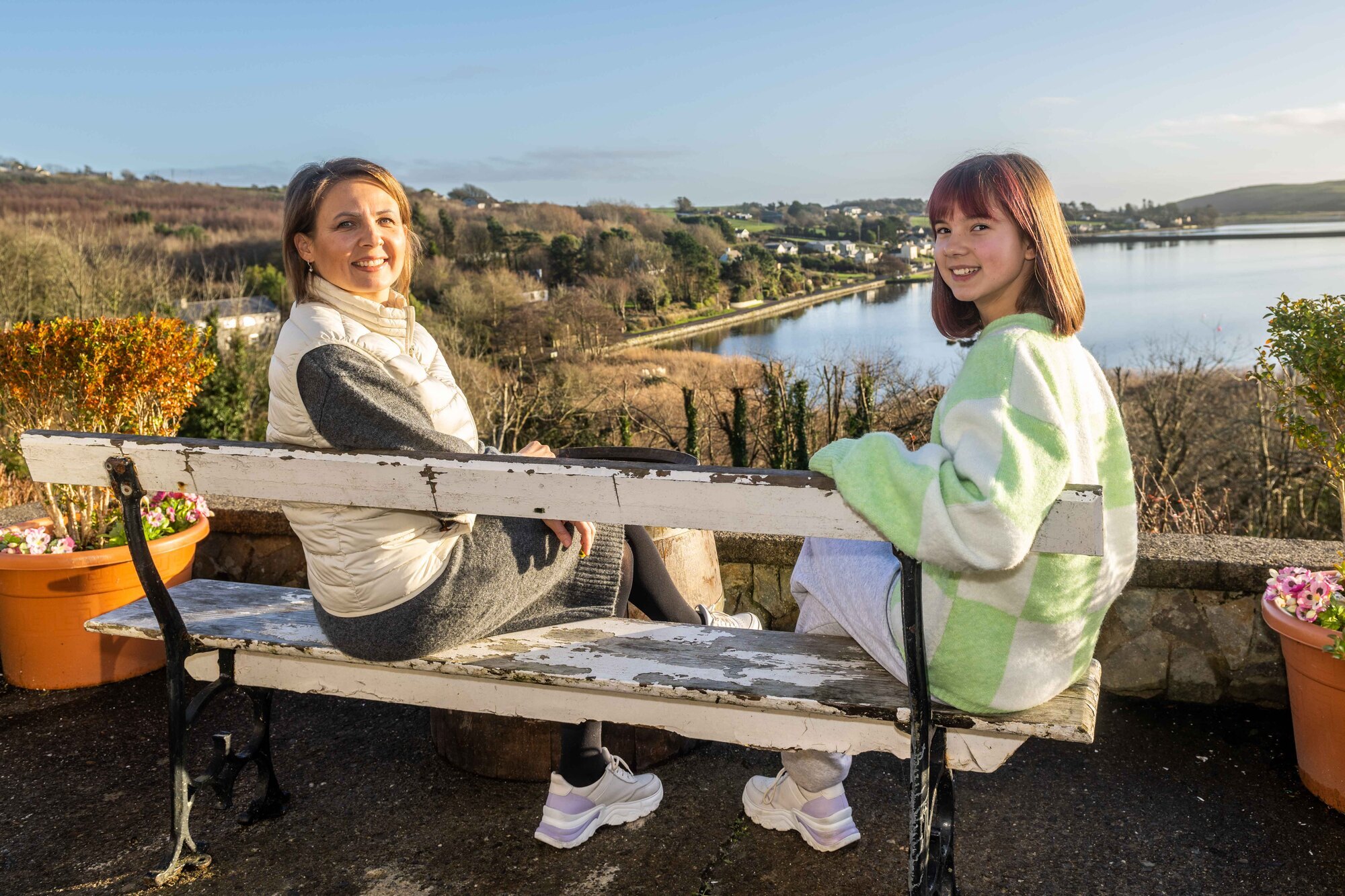
Victoriia Pavlyk and daughter Anastasia, 12, now live at the Convent of Mercy in Rosscarbery, West Cork. Picture: Andy Gibson
In towns and villages, suburbs and city centres all around Ireland, this
Christmas will have a Ukrainian flavour.
The latest figures show that this country is now accommodating more than 67,000 people, between those fleeing Ukraine and International Protection applicants. This includes 49,660 Ukrainian people who have sought accommodation from the State and 17,835 applicants currently in International Protection Accommodation Services
(IPAS) accommodation.
The geographical spread of Ukrainian refugees has been immense, from Tory Island off the coast of Donegal to Westport and Dingle.
There are 68 people from Ukraine currently staying on Sherkin Island, signifying a huge jump in the overall population of the West Cork island. There are now 170 Ukrainians in the West Lodge Hotel in Bantry, with 24 having arrived in the first two weeks of December.
With the continuing arrival of such huge numbers of people, the pressure to find suitable accommodation has been enormous and not without its challenges.
While the Department of Equality, which is managing the response to the refugee situation, stressed that the Citywest transit hub does not provide accommodation, with most people passing through within a very short period of time, the Irish Refugee Council voiced its concerns about the Citywest Convention Centre hall. In a letter to Minister Roderic O’Gorman it said the conditions there were hazardous and suggested the phased closure of the facility.
The Ombudsman for Children, Dr Niall Muldoon, said the needs of children there need to be prioritised. According to the department, entry to Citywest is being managed on a day-by-day basis, dependent on numbers arriving and availability of accommodation.
Such pressure points reinforce the need for alternative solutions, which the Department of Equality has said it is progressing.
"The Government is rolling out a rapid-build modular housing programme to provide accommodation for Ukrainian families fleeing the war in their country," said a department spokesperson.
"The rapid-build modular homes will be highly energy-efficient, durable units with a 60-year lifespan and the development of the sites will be conducted in an environmentally-sustainable way.
"The HSE has been notified of the proposed number of residents for each site and associated potential healthcare needs. The Department of Education is planning for the extra school places that may be needed.
Pledges from the public were the initial and most immediate response when the war began last February, but the stories are legion of people offering accommodation but not receiving a response in time.
Latest figures show that as of mid-December, just over 6,050 beneficiaries have been housed in pledged accommodation and according to the department, "this number increases every day through work of various implementing partners working on the ground".
"Every effort is being made to activate suitable pledge offers and necessary vetting and inspection procedures are completed," it said.
People working on the ground with refugees do not have such a positive view. Short-term or holiday-type accommodation is thin on the ground, even during winter, although the doubling of the monthly Government assistance payment, from 400 to 800, may entice some who were initially reluctant to become involved.
The latest Government data shows that a total of 25,000 pledges were received. 15,000 either withdrew, were uncontactable, or were duplicates, while according to the department, "10,000 potential pledges remained to be explored by implementing partners and for various valid reasons not all of them will be activated — pledges withdrawn, uncontactable, too rural, refused".
The department is still working with implementing partners activating pledges on the ground, including local authorities, NGOs such as the Peter McVerry Trust, International Organisation of Migration, and the Irish Red Cross, while the options for new arrivals have been reduced.
Now, one offer of accommodation is made and if this is refused, there are no further offers.
The department said is developing potential ways to record and report on refusals, but said: "There are very few refusals as Ukrainians are grateful for what the department are offering.”
We are very much not in the tourist season, but come St Patrick’s Day that will change, meaning more issues around accommodation when there has already been criticism that some Ukrainians, relatively settled in one part of the country, have then had to be moved elsewhere.
The department said it has had strong support from the hotel sector in 2022, even during the tourist season, and will continue to engage with stakeholders across this sector.
"While managing the current challenges in accommodating so many people, the department is also working hard on other solutions that will allow us to shelter people from Ukraine in the time ahead,” the spokesperson said.
"On its meeting of October 28th, the Government focused on how to continue the sustained support for those fleeing the war, including those already here, as well as those likely to be further displaced by the ongoing conflict.
"As part of this, the Government agreed that a move from an emergency response to a more mainstreamed approach is appropriate, including a reduced reliance on serviced accommodation. This includes an increased focus on rapid-build housing and a new call for vacant homes, led by local authorities."
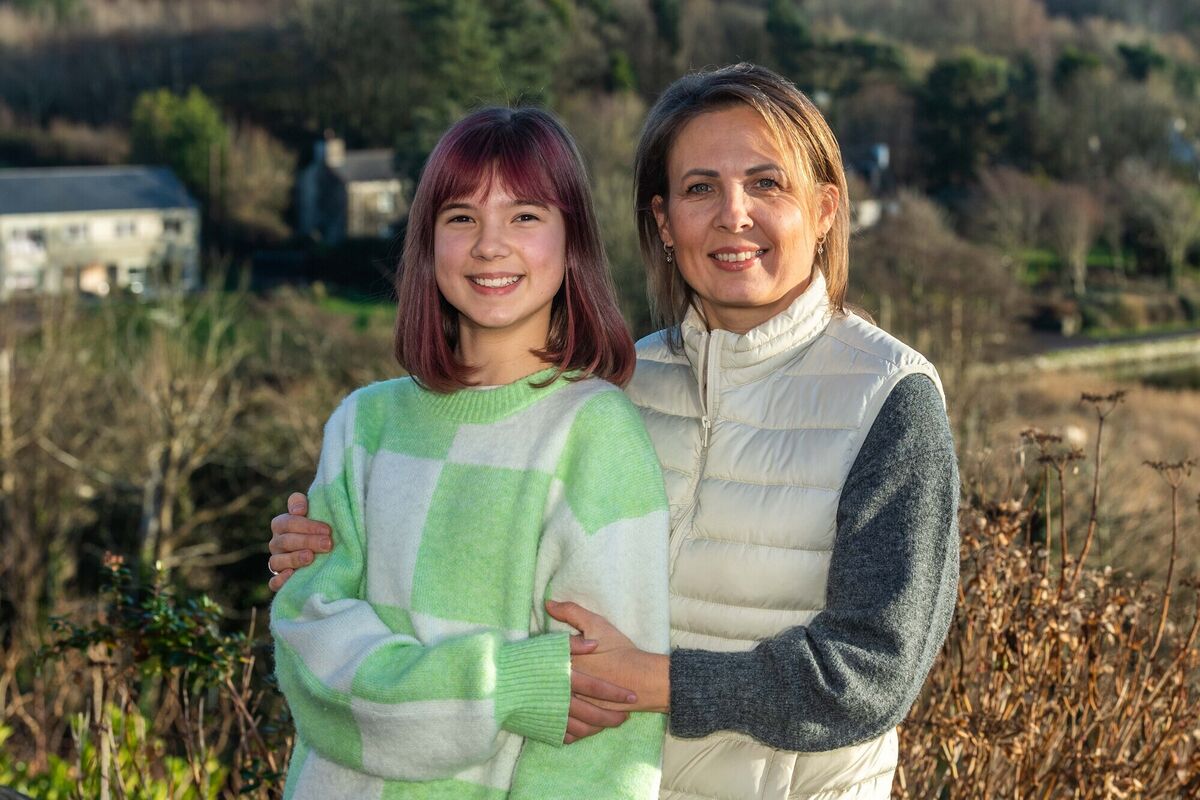
One of those who will be spending the Christmas period in a very different place from where she celebrated it last year is Victoriia Pavlyk, who now lives in Rosscarbery in West Cork.
“My daughter and sister and I came to Ireland from Kharkiv in May this year," she said. “We were two days in Citywest and in the evening time, 10 o'clock, we and about 20 other people from different parts of Ukraine arrived to Rosscarbery. We were warmly welcomed here, offered tea, and settled around the rooms. Rosscarbery is a beautiful place with helpful people.”
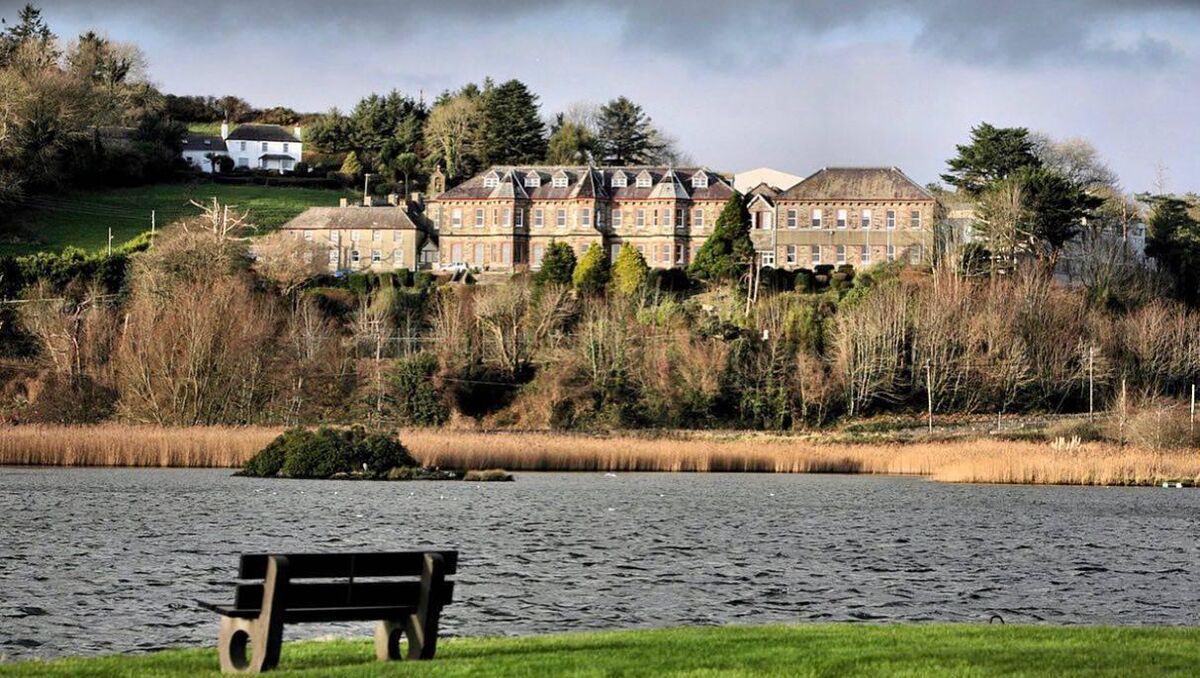
Victoriia is extremely grateful to all those who have helped her since she arrived, among them wedding planner and TV presenter Peter Kelly and his wife Éadaoin Morrish, who some years ago bought the 130-year-old convent in Rosscarbery which this year became home to Ukrainians.
“Already on the third day, all the children went to school thanks to Éadaoin Morrish,” Victoriia said.
“Our children can learn and we can work with the same rights as people living in Ireland. My daughter goes to St Mary's Primary School. Children and teachers, Mrs O'Brien, Mrs Murphy, welcomed us very warmly. There are very responsive people here, very nice, caring and friendly classmates of the sixth grade, especially her friend Bonnie, who supports her every minute.
"My daughter attends the birthdays of all her classmates. Teacher Ms Murphy is very helpful and supportive of Anastasia. The school has additional English lessons. Mr Lynch and Mrs Colette teach my daughter diligently.
"Parents of classmates are also very kind and sympathetic, especially the mother of Bonnie's friend, Orla, who invites Anastasia to visit her and to all possible active events. My daughter has the opportunity to go in for rowing, tennis, swimming.”
English classes and, for those who requested it, Covid vaccinations were also arranged.
Now, as she considers a very different Christmas and new year to that of previous years, Victoriia said: “In Ukraine, I worked as a financial director, now I am actively learning English and helping my daughter, who not only studies offline in Ireland, but also manages to attend an online school in Ukraine.
“Of course I plan to return to my home in Ukraine, but while there is a war in Ukraine and it is not safe for my daughter, I plan to learn the language and find a job in my specialty here.
“Many Ukrainians now have to pack their whole lives, their children into one backpack and start their lives from scratch.”
Back in June, English teacher Tanya Rudenko was one of those on a coach full of Ukrainians travelling from Bandon to Dublin for the Ireland versus Ukraine match.
At that time she was acclimatising to life at the Munster Arms Hotel, alongside her two sons, Artem and Illia.
All these months later they are preparing a Christmas celebration at the hotel, an inclusive event for those who are Christian and those who are Orthodox and for whom other dates on the calendar, such as January 6 and 7, are more significant.
"The year of 2022 has been extremely difficult for all Ukrainians. My life has turned upside down and I still [just] vaguely understand what is going to happen next," Tanya said. "All Ukrainians cannot make any plans for their future lives and we all live just here and now.
"I have always been a person that makes plans for the future and pursues my career goals but with the war everything has changed.
"Every morning I wake up and check the news, call my next of kin to know how they are. It has become extremely tough to stay in touch with my family as there is no electricity and internet connection so we just grab a chance to chat wherever it’s possible, either early in the morning or late at night.
"I hoped the situation would get better and didn’t think my staying in Ireland would be so long but there’s no chance to come back home right now as I’m staying here together with my two children who go to primary school and seem to be doing really great. We don’t speak so much about the war with them, though they are pretty aware of what is happening in their native country.
"Every child should have a normal childhood, go to school, get education and communicate with his friends and peers.
"Due to my English I have managed to find work pretty fast. I’ve been working for West Cork Development Partnership, which gives me the opportunity to help my compatriots in West Cork who struggle with the understanding of the social and tax system, health service, employment, education, integration into the Irish society, which helps me keep going and stay independent and be helpful for the Government. A lot of people still struggle with all those issues because of the lack of English and a totally different social system.
"We’ve been deprived of our homes, the opportunity to celebrate holidays with our families and friends, stay together, and be as happy as we used to be but we need to stay strong and believe in the happy future of Ukraine."
Finally, out on Skerkin Island, Olya Nikitiuk, is preparing for a Christmas surrounded by the sea, far from his home place of Sergeevka, in the Odesa Region.
"We came to Ireland because something terrible happened in our city and in Ukraine," he said.
"We arrived here on August 9 before arriving on the island. We were in City West in Dublin - honestly, we did not expect that we would be on the island, it seems to me that it is a dream to visit the island, I never thought that I could live it is on the island.
"Our life is very interesting."
Olya attends school, along with his brother and their friends, in Skibbereen, his mother goes to work, and they have visited Cape Clear. They regularly walk the beaches and according to Olya, "the island is very beautiful".
Hopes for the future include that his father, who is in the Ukrainian military, will come to Ireland. "Here we will buy a house, a car and build the future and learn English well," he said.
"I think this year Christmas will be great, fun and interesting with new friends and new views."
Read More
CONNECT WITH US TODAY



Be the first to know the latest news and updates