Rural dwellers will be allowed build a second one-off home under new rules

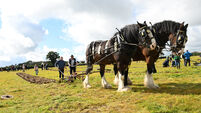
A second one-off home will be limited to 90sq m and must be located within the site’s curtilage, according to the new guidelines coming before Cabinet on Tuesday. Picture: iStock
Rural homeowners will be permitted to build a second one-off house on their land to facilitate downsizing under new guidelines for rural and Gaeltacht housing.
Government proposals aim to ease strict rules for building one-off homes in rural areas, with planning minister John Cummins describing the approach as a “fundamental shift”.
Cabinet is set to formally agree the draft rural and Gaeltacht housing planning statement on Tuesday.
It also includes provisions to allow people to build a second, accessible home, close to their original one-off house, under exceptional health or personal circumstances, to facilitate housing for people with a disability or health needs.
The second one-off home will be limited to 90sq m and must be located within the site’s curtilage.
There will be a requirement for documentation, such as medical forms from a doctor, to be included in the planning application. The updated guidelines will also include an expansion of the ‘economic need criteria’ for building one-off homes, beyond traditional rural businesses, such as farming.
It means that people who provide services in a rural area, such as teachers, will now meet the economic need criteria and be entitled to build a home. There will also be a relaxation of ‘local need' criteria, where council planners examine an individual’s ties to the area.
Read More
This will allow people to demonstrate housing need in the rural location, even if they are currently living in a town or city. The rural house will then be required to be their principal residence for at least 10 years.
Changes will also prevent local authorities from imposing rules about minimum road frontage and “no more than five houses in a row”, where such restrictions would prevent infill, backland, or ribbon development.
It is expected that the changes will come into effect later in 2026.
Mr Cummins said the Government wants to make it easier for people to live closer to their families and remain in their communities.
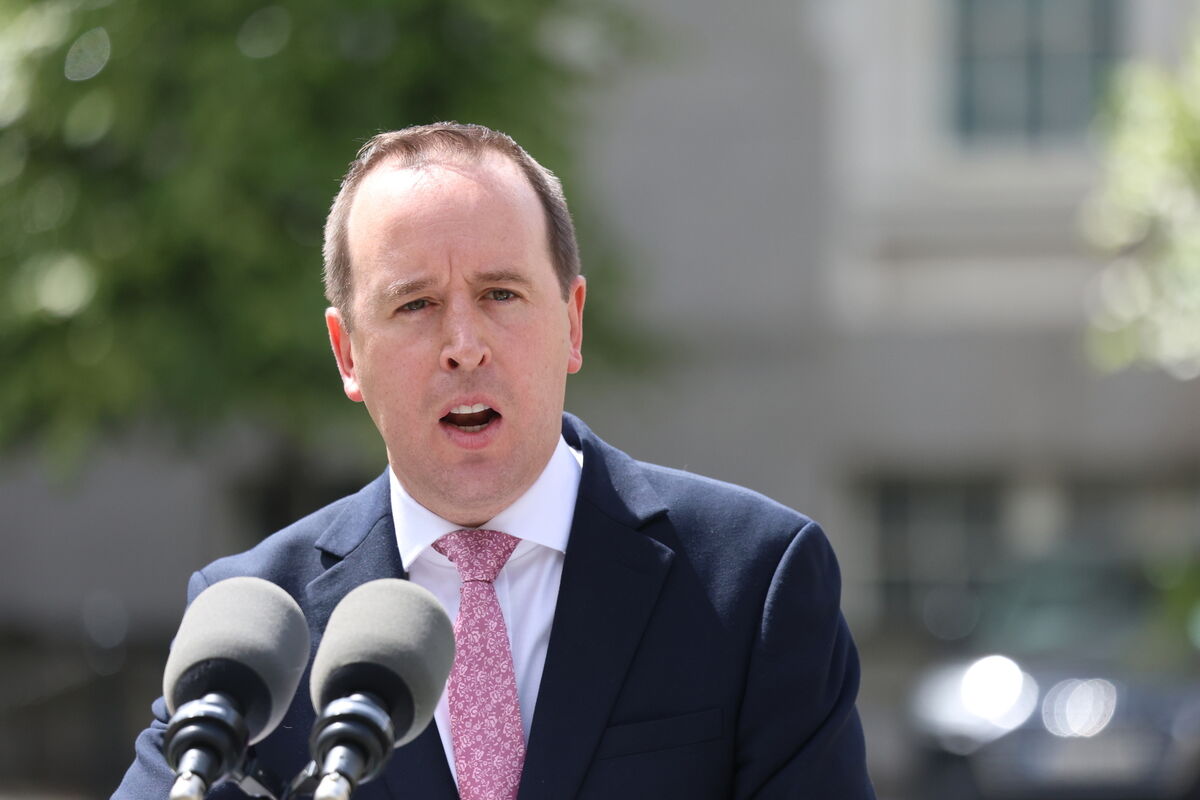
“Currently, rural housing policy varies significantly from county to county, and one of the primary aims of the draft National Planning Statement will be to ensure clarity and consistency across the country,” said Mr Cummins.
He said the current planning process for rural housing had “held rural communities back for too long”.
A Government source said the changes being introduced are not a “free for all”, but would make planning decisions more consistent across the country.
Reforms are also to be introduced for building one-off housing in Gaeltacht areas, where individuals must reside within 3km of their proposed site and have lived in the area for 10 years.
Under the proposals, if the individual speaks Irish and can demonstrate a local need, this can be relaxed to five years.
Gaeltacht housing group Bánú has criticised the changes, with chairman Donncha Ó hÉallaithe saying he was “disappointed”, describing the 3km rule as nonsense.
Alongside the revised rural approach, housing minister James Browne is due to update social housing rules, permitting domestic violence survivors to transfer between social housing waiting lists.
Time spent waiting on one council’s housing list will be taken into account if the person moves to a new local authority area. The proposal follows engagement with Ireland’s agency for tackling domestic, sexual and gender-based violence, Cuan.
“Women fleeing domestic abuse and violence need to be supported to transfer so that they can be safe and secure,” Mr Browne said. “We simply weren’t approaching this consistently across the country.
“There should never be any barrier to a household getting out and away from a domestic violence and abuse situation to receiving proper social housing and getting the security and stability they deserve and need.”
- Tadgh McNally, Political Reporter
CONNECT WITH US TODAY



Be the first to know the latest news and updates