Hiqa asks public for opinion on which groups should get free covid vaccines
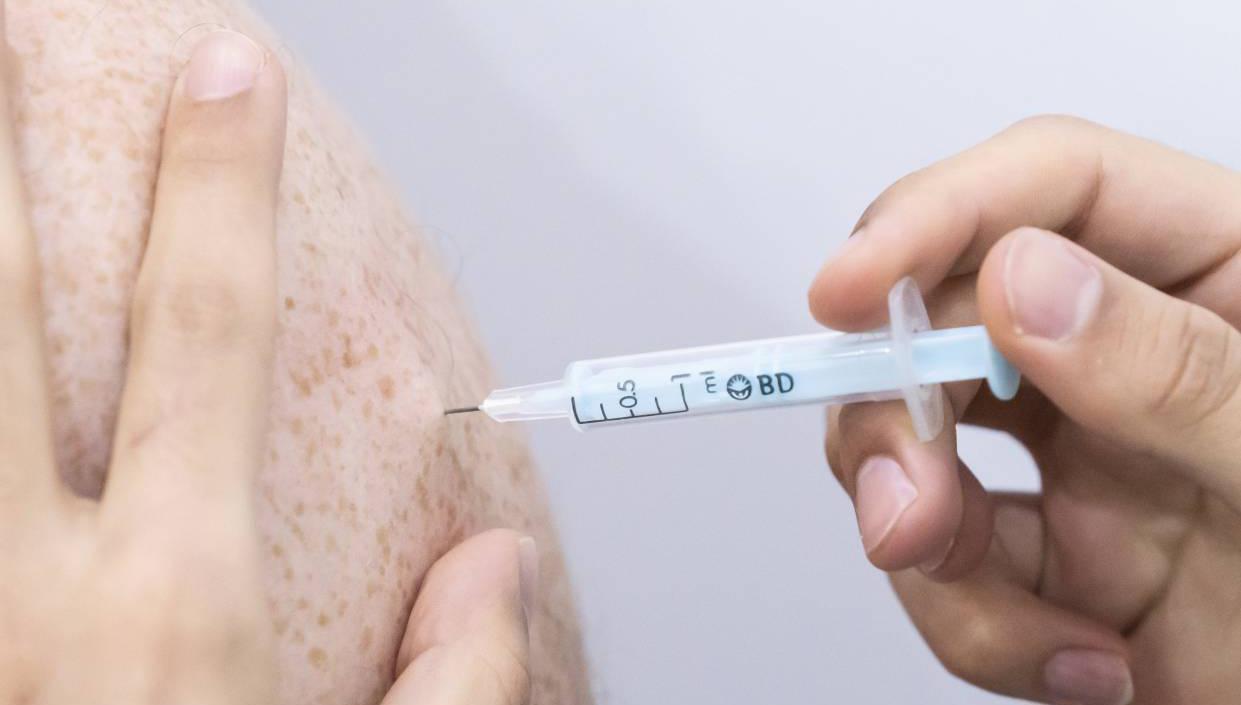
Hiqa estimated for an assumed vaccine price of €75 per dose, then 'offering twice-yearly covid-19 vaccination to adults aged 80 years and older would cost the HSE an additional €112m over five years'.
The Health Information and Quality Authority (Hiqa) has opened a public consultation on which groups should be funded for covid-19 vaccinations in light of their “substantial” costs from next year onwards.
Findings from the six-week consultation will inform Hiqa's assessment of the covid-19 vaccination policy. This will be shared with the health minister.
The health watchdog has now published its draft health technology assessment (HTA) on its website.
It found that “covid-19 vaccination is safe and effective" and "is associated with a significant reduction in severe disease". However, protection wanes over time, it added.
The number of covid-19 cases has been in decline since 2023, it said, including drops in deaths, emergency department visit rates, intensive care unit, and hospital admission rates.
The mortality rate dropped to 5.1 per 100,000 last year from 16.6 two years before.
Read More
However, it cautioned that “covid-19 continues to disproportionately affect those of older age, particularly those aged 80 years and older, resulting in an ongoing burden on patients and healthcare services".
The risk of people developing long covid also remains, with some people experiencing symptoms long after they were infected, Hiqa added. It found the cost of a national free vaccination programme is “substantial”.
In one example, Hiqa estimated for an assumed vaccine price of €75 per dose, then “offering twice-yearly covid-19 vaccination to adults aged 80 years and older would cost the HSE an additional €112m over five years".
Hiqa deputy director of health technology assessment, Dr Patricia Harrington, stressed the “disproportionate impact on some groups”, saying this includes older people.
Despite this, she said: “Its severity has declined over time due to changes in the virus and the establishment of population-level immunity through vaccination and prior infection.”
The public consultation is part of Hiqa’s assessment of the broader campaign.
“These decisions require careful consideration to ensure that the programme offered continues to protect those at the highest risk of severe disease,” she said.
Since last year, the jabs are recommended twice-yearly for people aged 80 and older. The advice also covers adults aged 18 to 79 who live in nursing homes and anyone aged from six months upwards who is immunocompromised.
A once-a-year programme is recommended for people aged 60 to 79 years old. It is also recommended for anyone aged six months to 59 years old with health conditions making them more likely to be severely ill.
Other people who can be offered the vaccine include healthcare workers, pregnant women, and other adults who opt for this after speaking with a healthcare worker.
Ms Harrington added that some European countries are now looking at the evidence of cost-effectiveness for future campaigns. In England, since last year, the national programme is limited to certain groups for cost-effectiveness reasons.
The Hiqa survey is now on Hiqa.ie. Anyone can give feedback to the public consultation. This can be completed online or downloaded and posted to Hiqa. The deadline is August 9 this year.


CONNECT WITH US TODAY



Be the first to know the latest news and updates