Davy Fitzgerald: I love the stories of families watching Ireland's Fittest Family together
The Ireland’s Fittest Family coach reflects on family, ambition and changing his approach to management as he considers life beyond hurling
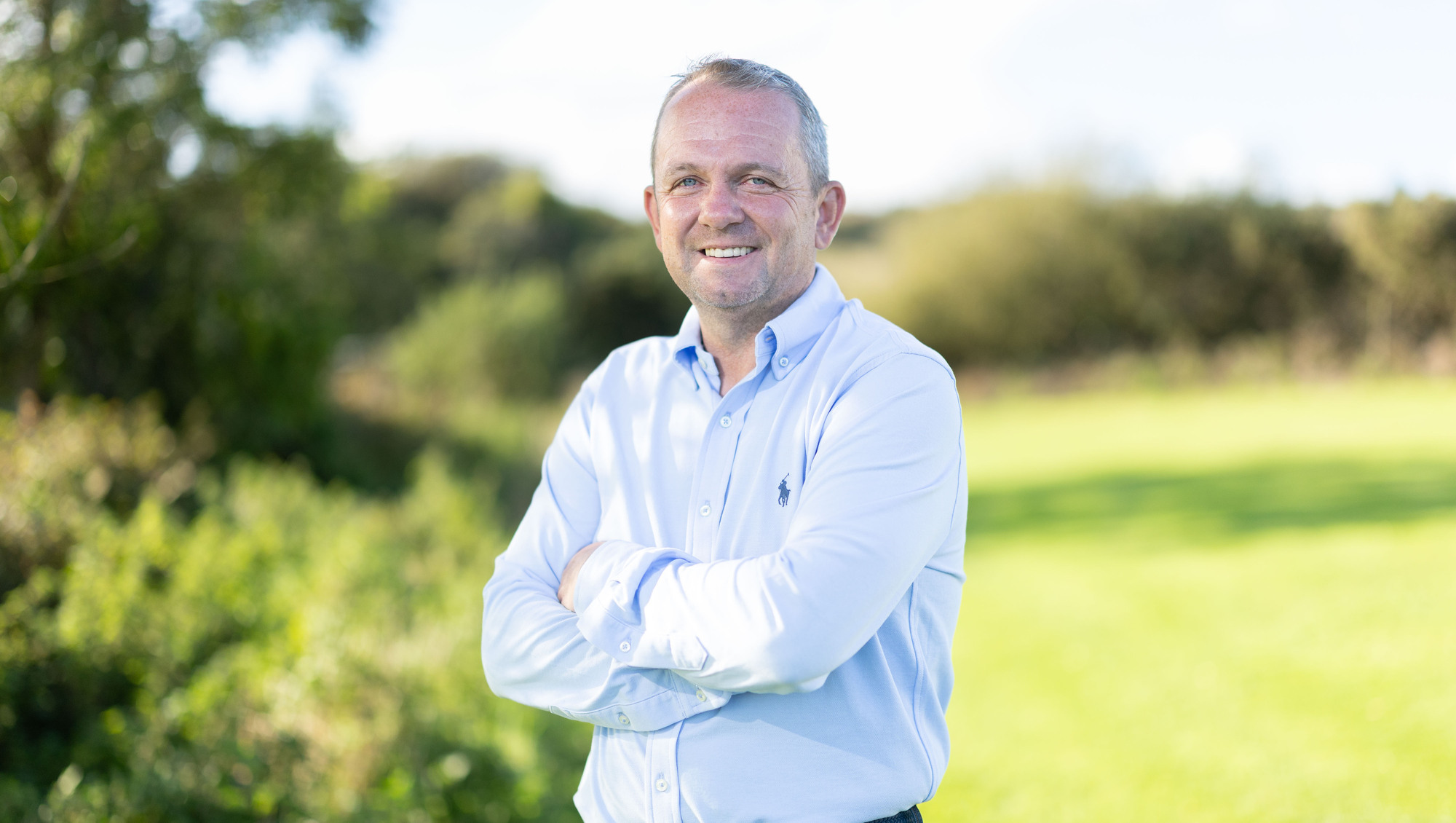
Davy Fitzgerald at home near Sixmilebridge, Co Clare this week. Picture: Eamon Ward
Davy Fitzgerald at home near Sixmilebridge, Co Clare this week. Picture: Eamon Ward
Davy Fitzgerald carries a little black notebook around with him. There are ideas in it for television programmes, ideas for businesses, ideas that might amount to something, and some that probably won’t. The notebook is a concession to a mind that refuses to clock off. Whatever else he is taking a break from, thinking appears unlikely to feature on the list.

“My head never stops,” he says. “Like, I carry a notebook around with me all the time.”

For somebody whose public life has involved so much movement, noise, and commitment, the most unusual thing he tells me is also the shortest. No. After decades of playing and managing at intercounty level, Fitzgerald is learning to say it. He is determined to give himself a year or two in which family and business get more of the attention previously swallowed by hurling.

Whether his imagination will respect the arrangement is another matter. We are talking about Ireland’s Fittest Family, the television programme he helped conceive, and there is little suggestion that the man behind it has exhausted his supply of possibilities. His enthusiasm gathers speed whenever the conversation moves towards something that might be made, changed or improved.

“I love just coming up with different concepts or different ideas, and it just never stops,” he says. That is a useful starting point for understanding Fitzgerald. The familiar image is of a man responding: To a referee, a result, a player, a family clinging to an obstacle. Less visible is the time spent thinking before the response. The notebook belongs to that part of him.

Ireland’s Fittest Family is good evidence of what can happen when he follows an idea beyond the dressing room. It combines sporting endeavour with something almost every viewer understands: The complicated business of being part of a family. Athletic ability matters. So do patience, encouragement, and knowing when somebody needs help rather than another instruction.

As a parent of a 10-year-old and a 12-year-old, I appreciate another quality. It is a programme we can watch together. Here is an hour with a shared purpose, a team to support and the possibility of a reasonably civil argument about which parent would survive longest.

The inevitable question is how your own family would get on. Children assess their parents with startling confidence. Parents begin quietly calculating which relative might make up for their shortcomings. Before anybody has entered a competition, the programme has prompted a conversation.

Fitzgerald understood early that its appeal extended beyond people who were interested in fitness. Participants span generations. Viewers can find somebody whose age or circumstances give them a reason to care. The entertainment comes from recognising something of yourself in people attempting something you suspect would finish you.

“I love hearing the stories of families that sit down and watch it together,” he says.

There is pleasure, too, in watching people work out what they can do. A family’s strongest competitor has to account for its most exhausted member. Somebody who seems unlikely to finish finds a little more. The finish line is important, but getting there together gives it meaning. Fitzgerald’s contribution is to recognise when determination needs another push and when the people in front of him require a different approach. That is a more interesting coaching assignment than simply telling everybody to try harder.

He also hears about communities gathering in pubs or clubhouses to follow a local family’s progress. A television competition becomes a parish occasion. For a man whose sporting life has been conducted in the GAA, that extension of belonging makes particular sense.

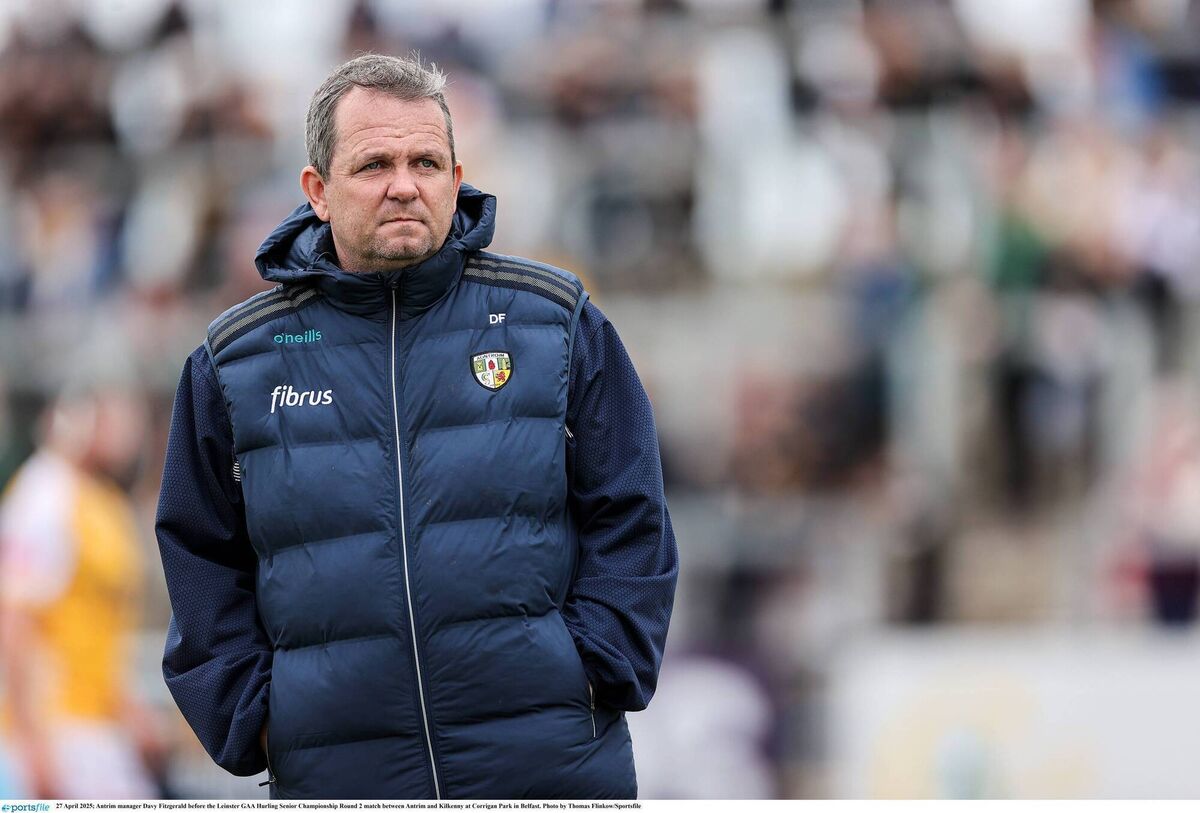
Davy Fitzgerald managed the Antrim senior hurling team in 2025. Picture: Flinkow/Sportsfile

“I love when it affects more than the family itself, when it affects the community, everybody in it,” he says.

The idea began over coffee in Shannon in 2012, when Fitzgerald and his friend James Sexton were discussing possible projects. He credits Sexton’s entrepreneurial imagination as readily as his own. An initial meeting with RTÉ ran well beyond the brief conversation they had expected. They left excited. The programme followed.

The origin story is familiar now. What remains interesting is that Fitzgerald was already managing when he embarked on it. Asked where he expected to find the time, he offers an explanation that is both convincing and faintly alarming.

“But that’s me. I just never stop,” he says.

It is easy to see the initiative in that instinct. The cost takes longer to reveal itself. Fitzgerald describes finding it difficult to refuse a request as one of his biggest faults. When he left Waterford, he had intended to take a breather. Then somebody close to him asked him to take on Antrim, and the planned pause disappeared into another challenge.

The attraction was understandable. He likes working with teams for whom success is not presumed. There is satisfaction in trying something difficult, especially when the alternative is to stand at a safe distance and explain why it cannot be done. But appetite is not an unlimited resource.

You can’t keep going at the level I’ve been going at

Playing, managing and, for some of that time, doing both have occupied the greater part of his adult life. When he weighs the attention he devoted to the GAA against what his own business received, the arithmetic looks uncomfortable.

“It just doesn’t make sense,” he says. Online speculation about his next job amuses him. He mentions the suggestion that he might take over Celtic. The rumours testify, if nothing else, to how difficult people find it to imagine him without a team to run. This time, he insists, the answer will hold whoever comes asking.

The break also offers a chance to reconsider how he works. Fitzgerald is frank about the difference between managing people now and doing so 10 or 15 years ago. He once had a particular way of training and expected the group to follow it. Today, he says, understanding individuals requires much more work.

“Now you have to try and understand people way more to get the best out of them. Now you have to be open to way different ideas.”

The families on the programme have contributed to that education. A coach arriving with sporting authority enters relationships that existed long before he appeared. There are parents who know best, children who disagree, and habits no training plan can instantly undo. Getting everyone through an obstacle involves negotiating all of that.

“My way might not be the best way, and I always thought it was,” Fitzgerald says. Sometimes a family member is convinced of a particular approach. Sometimes he lets the attempt happen, even if he suspects it will fail. Afterwards, there is a conversation about how to work together. Everybody needs a part in deciding the plan. Parents’ authority and the coach’s reputation can only carry it so far.

“Everyone has an input,” he explains. There is something appealing about hearing that from Fitzgerald. His intensity has never been difficult to detect. The willingness to examine its usefulness is less immediately obvious. He wants the next year or two to include further learning about management, whether he eventually returns to hurling or applies it elsewhere.

“Whether I go back into management or not, I want to understand more. I want to learn new things.”

The work on television can be demanding in its own right. His involvement with a family may stretch over three or four months, with filming days beginning at seven in the morning and running until nine or 10 at night. There is time in those days for personalities to emerge beyond the first impression.

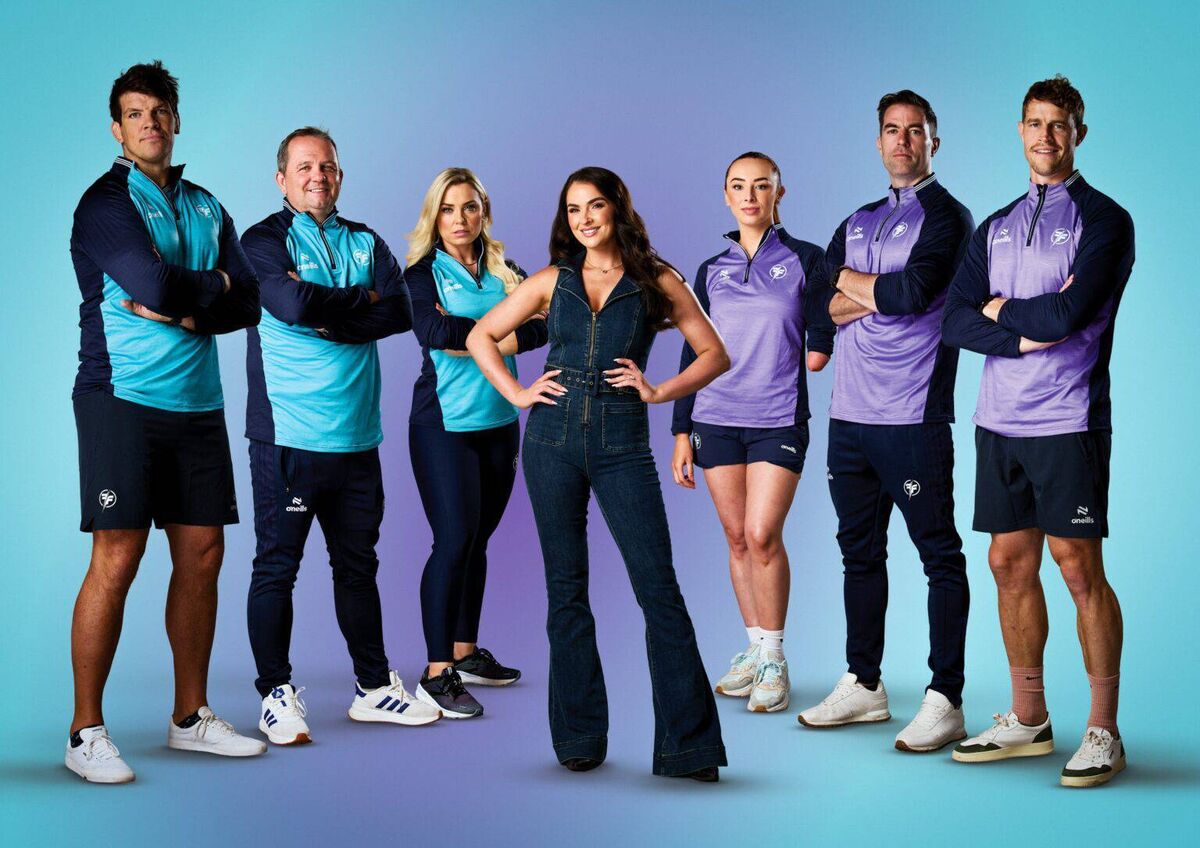
Ireland’s Fittest Family presenter Laura Fox with coaches Donncha O’Callaghan, Davy Fitzgerald, Anna Geary, Ellen Keane, Michael Darragh MacAuley, and Andrew Trimble

He is equally alert to the gap between how his fellow coaches appear and how they operate. Donncha O’Callaghan’s comic persona, he says, conceals an exceptionally sharp mind. The messing has a purpose: it makes people comfortable enough to participate and enjoy themselves.

He [Donncha O'Callaghan] is one of the smartest guys there is out there

Beneath the fun is fierce competitiveness. Fitzgerald’s respect for the other coaches rests on their achievements and intelligence. They have reached the top of their sports. They understand what trying to win demands. The lightness of the programme does not prevent the rivalry from becoming serious.

Fitzgerald has little interest in watching his own contribution. Other people’s appearances are fine. When he comes on, he will leave the room.

“Because I feel that I probably judge myself too much and I wouldn’t be natural,” he explains. It is a revealing admission from somebody whose recognisability owes so much to seeming unfiltered. Studying the performance might interfere with the instinct that makes it work. He would rather do the job than watch himself doing it.

There has, however, been a change in what he is prepared to say publicly. He believes he has become considerably more guarded in recent years. Previously, he says, he would voice whatever was in his head. It might have been controversial, but he considered it honest. The reaction could make that honesty feel expensive.

“When you’re so honest and so straight out there, you’re going to get absolutely hammered at times,” he says. “And do you know what? I just got enough of it.” People are entitled to their opinions, he adds. He was expressing his own. The difficulty is what follows a conversation once it moves beyond the people having it. He has pulled back because, in his assessment, some of those exchanges are no longer worth the consequences.

It does not make him a subdued interviewee. His language remains lively, the convictions readily available. But there is a discernible caution about how much of himself he puts into public circulation. Being authentic does not oblige a person to remain permanently available.

His affection for hurling is undiminished. He is open to discussing small changes to the game, particularly after football’s recent adjustments, but sees no reason to lose sight of what makes it extraordinary. Taking time away from management has not exhausted his interest in what happens on the field.

Television still offers work he finds worthwhile. He speaks warmly about his experience helping young people, and about the possibility of other programmes. There are concepts to revisit and ideas waiting in that notebook. What excites him is the prospect that something he helps create might give somebody else a start.

That feeling also connects the programme to hurling. Success is satisfying because of the people it reaches: participants, supporters, families, communities. The competition provides a reason to gather; achievement gives the gathering its emotion.

“I love being able to affect people and their mood.” He is nervous and excited about the time ahead. There is no certainty that he will manage again. There is curiosity about what he might learn and where it could lead. Making room for that curiosity requires him to practise the answer he has historically found hardest to give.

The notebook, meanwhile, remains in circulation. Ideas still arrive. He has no illusions about the value of every one. “Not always great ones, but they come.” One of them became a programme that families sit down to watch together. That seems a reasonable argument for keeping it close.

  • Ireland’s Fittest Family returns to RTÉ One and RTÉ Player on Sunday November 1, at 6.30pm

More in this section

Lifestyle

Newsletter

Eat better, live well and stay inspired with the Irish Examiner’s food, health, entertainment, travel and lifestyle coverage. Delivered to your inbox every Friday morning.

Cookie Policy Privacy Policy Brand Safety FAQ Help Contact Us Terms and Conditions

© Examiner Echo Group Limited