Joanna Fortune: My son wants to hang out in the village — I don't think he's ready
My instinct was to say no, as I feel he’s a bit young to be ‘hanging out’... I’m worried I’m being overprotective.
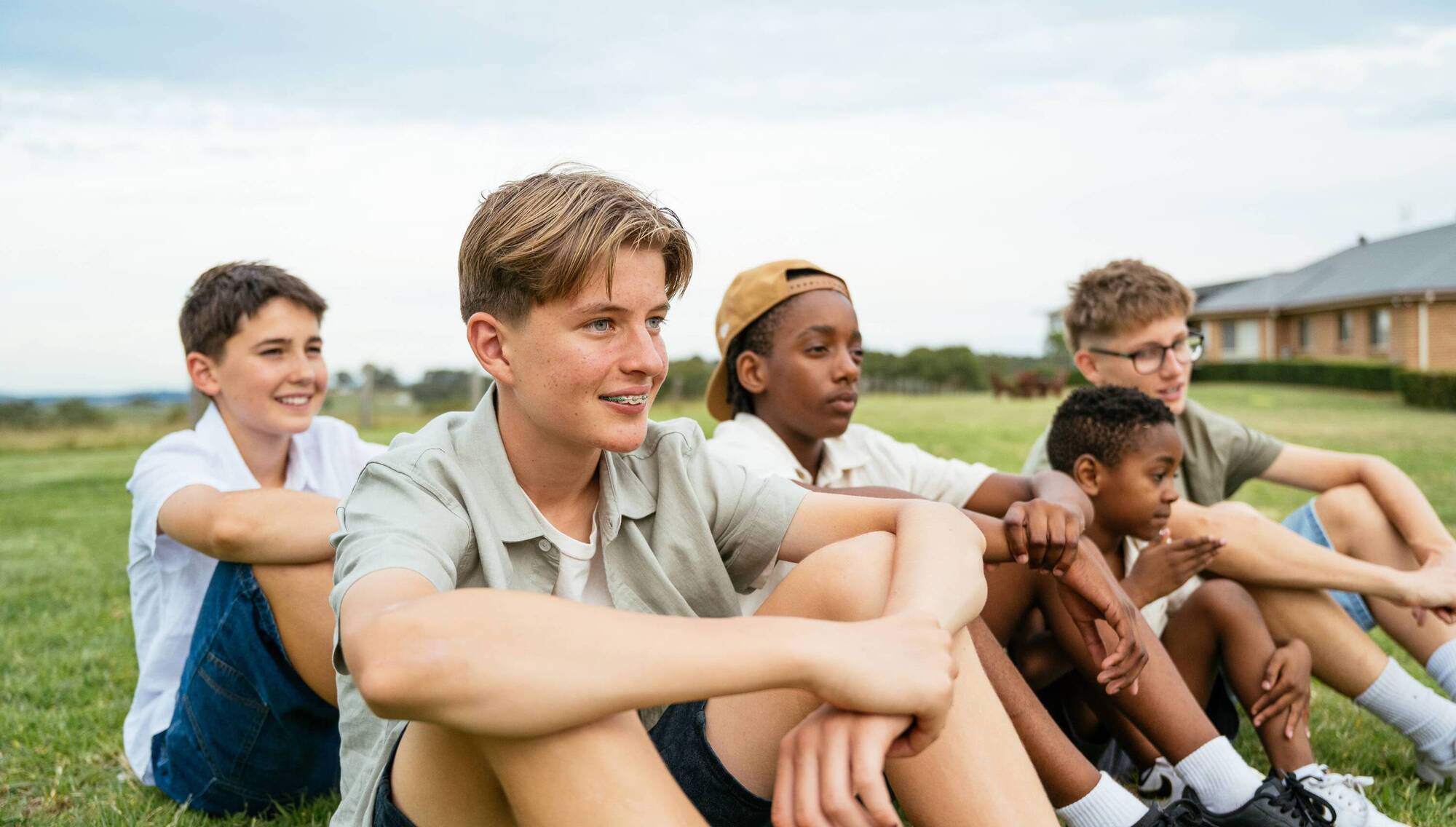
“Hanging out” offers young people the opportunity and space to engage in unstructured time with friends without any of their usual adult-influenced organisation, says Joanna. 

“Hanging out” offers young people the opportunity and space to engage in unstructured time with friends without any of their usual adult-influenced organisation, says Joanna. 

My son has just gone into sixth class and recently turned 12. He’s typically quite shy, and I would say he is naive when compared to his friends. He’s recently started asking if he can hang out with his friends after school in the local village. There’s no particular place they would be going to. My instinct was to say no, as I feel he’s a bit young to be ‘hanging out’. He doesn’t have a phone, so he wouldn’t have a way of getting in touch with us if he was uncomfortable. I’m worried I’m being overprotective. Could I be preventing him from developing more confidence?

“Hanging out” with pals is a really important social activity for teenagers. Yes, even something as seemingly passive as doing nothing is an activity because a lot more is happening during “hanging out” than we might initially consider.

“Hanging out” offers young people the opportunity and space to engage in unstructured time with friends without any of their usual adult-influenced organisation. This means that young people learn how to set and negotiate boundaries with peers, initiate social connections, respond to challenges to their boundaries in a solution-focused way, and make independent choices and decisions.

Now, all of this said, just because adults are not there to structure their gathering or time together doesn’t mean adult influence is totally absent.

As our children grow up, our parenting must also grow. We have to trust that all of the work we have put in to shape and nurture their moral compass and understanding of right/wrong and rules and awareness of themselves and other people will now be what they draw on to guide them in social situations when away from us.

Time with friends, away from adults, enables him to engage with all of this so that he learns how to properly manage his own safety, sense of time, and awareness of personal boundaries, and how these might differ from those of our friends.

Your son is still just 12 years old and in primary school, so this is a good opportunity for you to explore ways in which you can support unstructured time for him without fully letting go. I want you to see yourself as backstage in this regard rather than micro-managing his time with friends. Start by providing an open-door policy so that he knows his friends are welcome to hang out in your home (ensure you have snacks, drinks and that they can watch TV together in a room other than the bedroom). When they’re there, say hello, but avoid hanging around them; creating space for them to spend time together outside of his bedroom does afford you more awareness of how they are when together in this way.

When your son is at another friend’s house, agree a time that you will collect him, as this way you can boundary the duration of the “hang out” without encroaching. You can set limits around this. For example, general locations he can/cannot be. The time he must be back at home/at your agreed collection point. Reminders about not causing disruption to others are always useful. And I think it can be helpful to gently remind them that when they are hanging out in public, they can be seen by anyone and, as such, you’ll hear back if there’s anything inappropriate going on.

The boredom-balance is another challenge for many parents during “hang out” time. When you see them lounging around, scrolling, or not really “doing” anything, resist the urge to suggest an activity or jump in to get conversation going. Boredom is an important and undervalued part of life, and for this age group is often the catalyst for ideas and developing a rhythm for their “hanging out” time together.

Avoid overscheduling children (in general, but particularly) at this age. An overscheduled child does not have the flexibility to spontaneously “hang out” with their pals and may be missing out on the potential pro-social gains this time affords them.

If you feel he’s not fully ready, maybe start with at-home hang outs and build up to the village.

  • If you have a question for child psychotherapist Dr Joanna Fortune, please send it to parenting@examiner.ie or use the form below.

x

More in this section

Cookie Policy Privacy Policy Brand Safety FAQ Help Contact Us Terms and Conditions

© Examiner Echo Group Limited