Joanna Fortune: Our four-year-old still sucks her thumb and won't leave the house without her toy
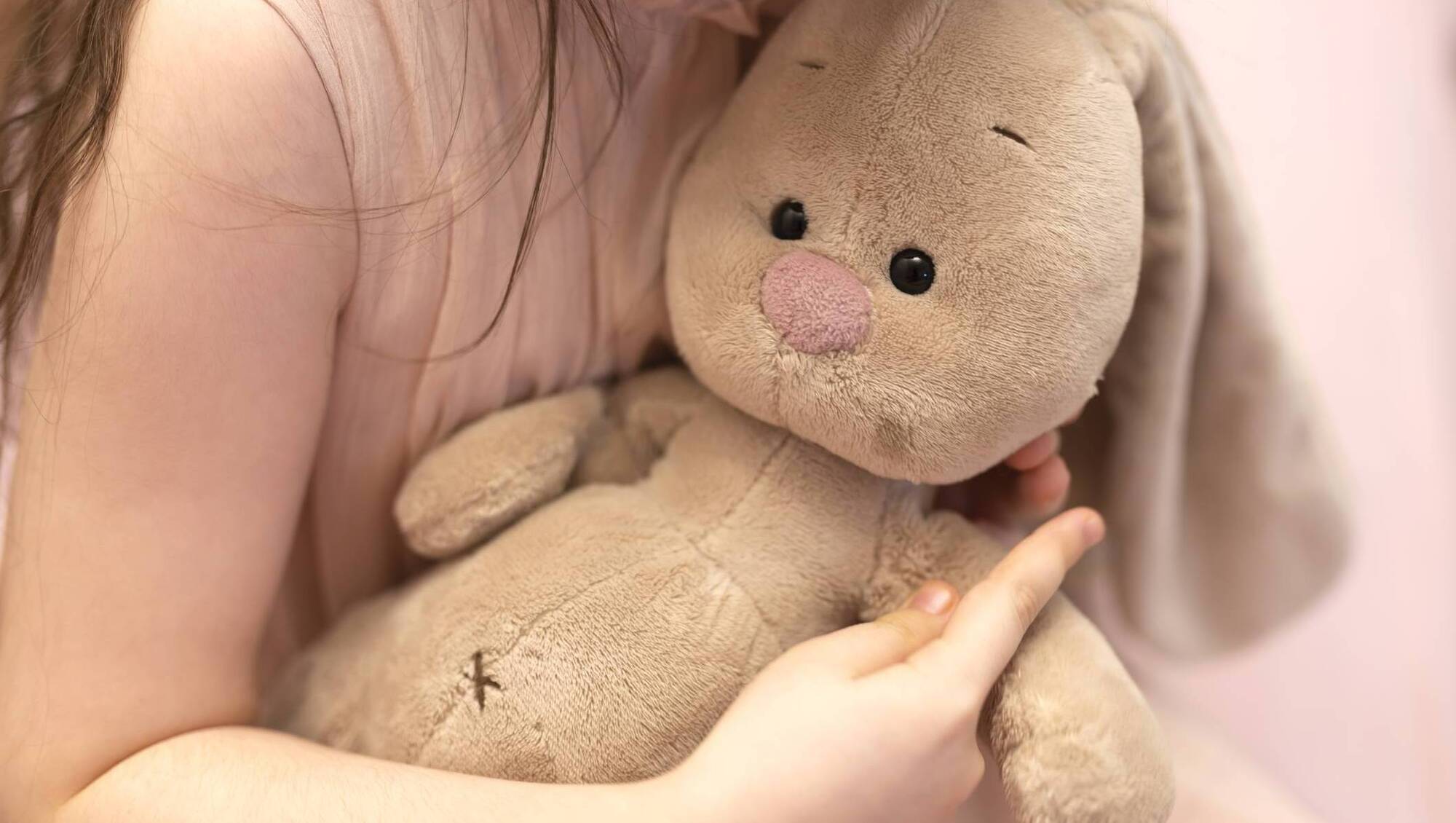
It is important not to push too hard during this transition period, as starting school is a huge adjustment. Picture: iStock

Dentists advise that children phase out thumb-sucking by age four, because of the risks it poses to the shape of the palate and the alignment of the teeth. Similarly, speech-and-language professionals may urge caution at this age, as ongoing thumb-sucking can contribute to speech sound difficulties. So, for these reasons as much as any other, you should consider a gentle weaning from the thumb-sucking.
- — offer lots of validation when she can relax without sucking her thumb;
- — I lean into this strategy most. When you see her sucking her thumb, rather than saying ‘no’ or ‘stop’, call her to help you with something that would require her to keep her hands busy and occupied, such as finding you a tin in the cupboard, counting something out for you, washing veggies at the sink, etc;
- — treat her to a mini-manicure at home. Soak her hands in warm, soapy water, dry them with a soft towel, and rub lotion into her hands while you notice any special marks, like freckles, paper cuts, bumps, and trace the lines on her palms, doing some positive fortune-telling. For example, you could trace each line with your finger, naming them her play line, her friend line, her clever line, and her kind line, and give an example of how she is good at each.
I wouldn’t push her too hard during this transition, because starting school is a huge adjustment. It is a time of intense change, and she has to find her way. She will likely lean further into her established comfort strategies. If she needs her bunny with her, so be it, though bunny will likely have to stay in her bag during class time, and you will need to prepare her for that by saying bunny can have a snooze in her backpack and it will be there if she needs to reach her hand in for a little rub during the day.
Give her time to transition into school and you should see her settle and become less reliant on these external factors for regulation.
Children grow up significantly over the first term of junior infants. It is an extended period of separation from their parents and they develop independence and grow in confidence and capacity. They also learn through their peers. You will see her starting to express herself differently; her emotional expressive language will build, and her reliance on thumb-sucking and rubbing her face with bunny may decrease organically.
That said, I wouldn’t be concerned about reducing her dependence on her beloved bunny — that will evolve naturally and having the toy as a familiar, safe object can serve as a transitional object for her during this time of big change.
- If you have a question for child psychotherapist Dr Joanna Fortune, please send it to parenting@examiner.ie or use the form below
CONNECT WITH US TODAY



Be the first to know the latest news and updates