Sky Matters: Get ready for the biggest celestial event of the year
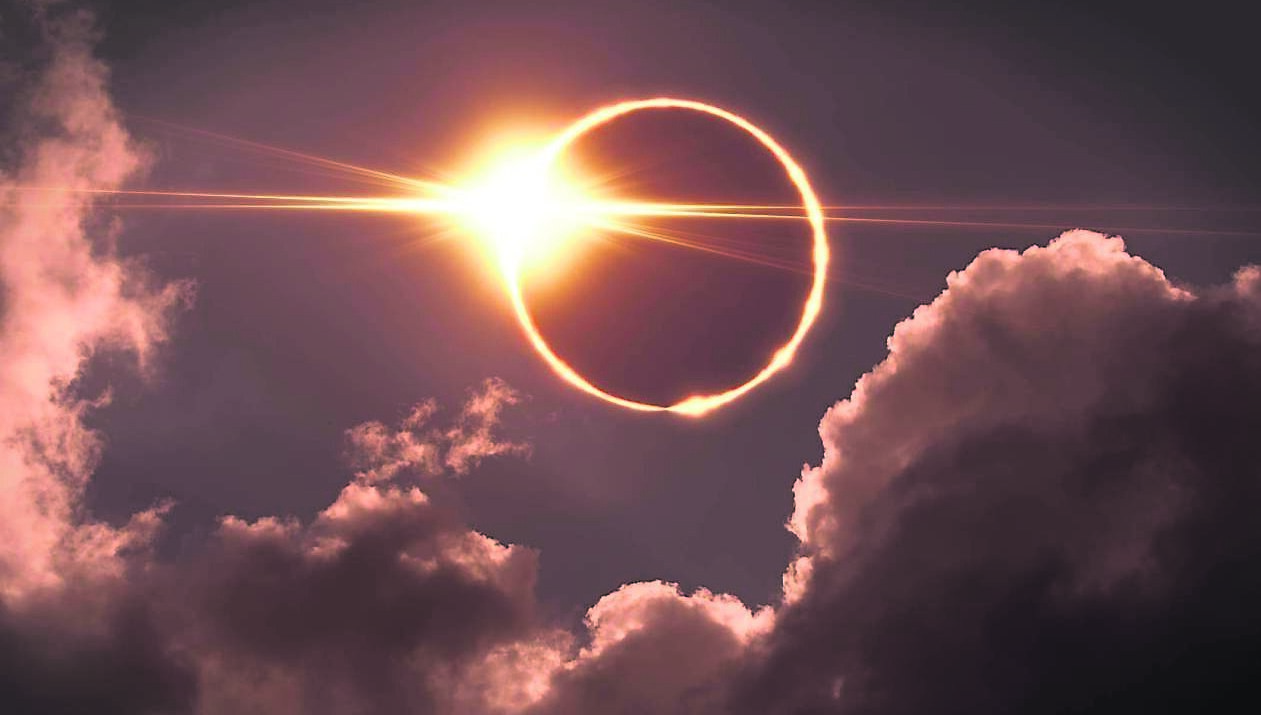
The event will occur between approximately 6pm and 8pm, with the exact timing being dependent on your location.
We’re now just over a month away from the biggest celestial event of 2026, and indeed the biggest that many of us will experience in our lifetime from Ireland. An incredibly impressive eclipse of the Sun will occur on August 12, with around 95-97% of the sun eclipsed by the Moon. The event will occur between approximately 6pm and 8pm, with the exact timing being dependent on your location – but only by a few minutes if you’re watching from anywhere in Ireland.
The Sun will be about 15 degrees above the western horizon at the time of eclipse maximum. To get a sense of this, you can generate an angle of approximately 15 degrees by spreading your index finger and you little finger at arms length. You can then check whether your horizon is obscured, for example by nearby houses or trees. If so, now is the time to start planning where to go to get a clear view. The fact that the Sun will be close to the horizon will provide outstanding opportunities to view the eclipse against the backdrop of your local horizon. Perhaps that includes a beautiful rural scene or a church building or a local landmark. Now is the time to start scouting out locations!

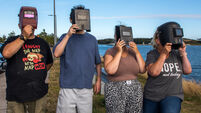
At MTU Blackrock Castle Observatory we will be providing updates on how best to observe the eclipse and will be distributing 6500 free solar glasses which can be used to view the eclipse safely. This represents the largest free distribution of solar glasses ever in Ireland and it underlines how rare this event is and how accessible it will be, unless the dreaded Irish weather has other ideas. We can but hope on that score! MTU Blackrock Castle Observatory will also be organising a number of local events with ambassadors to explain what’s happening and to answer all your queries. Keep an eye on https://www.bco.ie/solar-eclipse/ for updates on how to get your free solar glasses and for further information on those local events. And since June 12 we have been running a solar eclipse art exhibit in the lead up to the August 12 eclipse itself. See https://www.bco.ie/solar-eclipse-an-exhibition-at-blackrock-castle-observatory/ for further details.
Remember, safety must be your first priority and NEVER look at the Sun directly even during the maximum of the eclipse unless you have certified solar glasses or are using other safe methods such as projecting the eclipse through a pinhole in a piece of card. This applies right up and including the time of solar eclipse maximum. Although the Sun will be heavily covered, even a few percent of the Sun’s brightness is enough to be dangerous with the possibility of lasting sight damage.
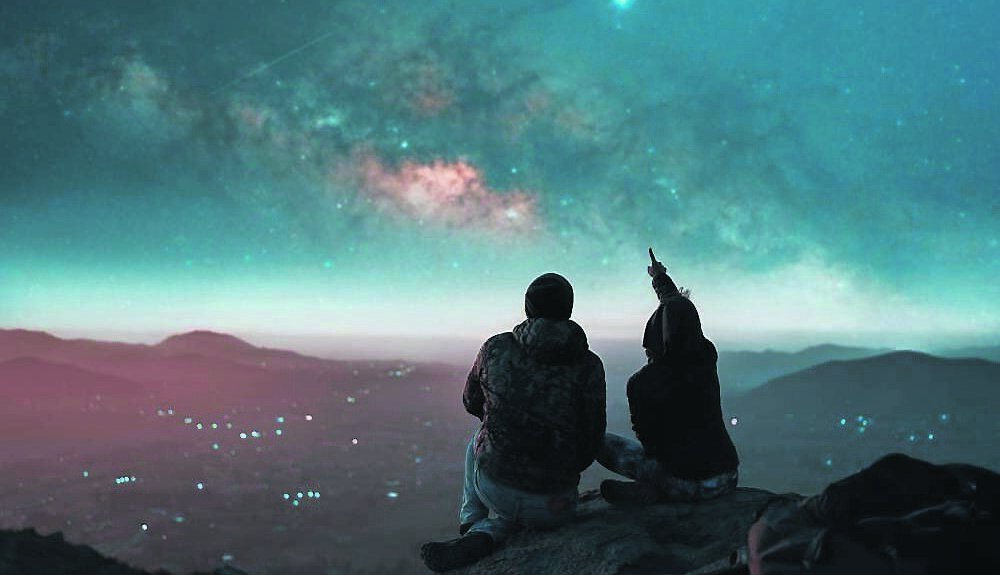
By comparison to August this year, the month of July is a quieter one for skywatchers. The evenings are still very bright, but July is also one of the warmest nighttime months of the year. That makes it a great month for casual nighttime viewing. It’s a great time to imagine yourself being transported back in time before telescopes and binoculars and before we knew what the planets or stars were. Without that knowledge, what would your conversations sound like? What would you notice with just your naked eyes? What speculations would drive animated debates? Would you notice that stars are of different brightness, that they differ in colour, that some twinkle more than others, that under a dark sky there’s a haze of brightness that stretches from horizon to horizon, that the stillness of the darkness is punctuated by random “shooting stars”, that the stars slowly move across the sky during a night, that the same stars visible in July are different to those you would have seen in December? And would the disappearance of much of the Sun on August 12 come as a complete shock and a terrifying spectacle?
CONNECT WITH US TODAY



Be the first to know the latest news and updates