Sky Matters: Artificial light at night is adversely affecting our planet
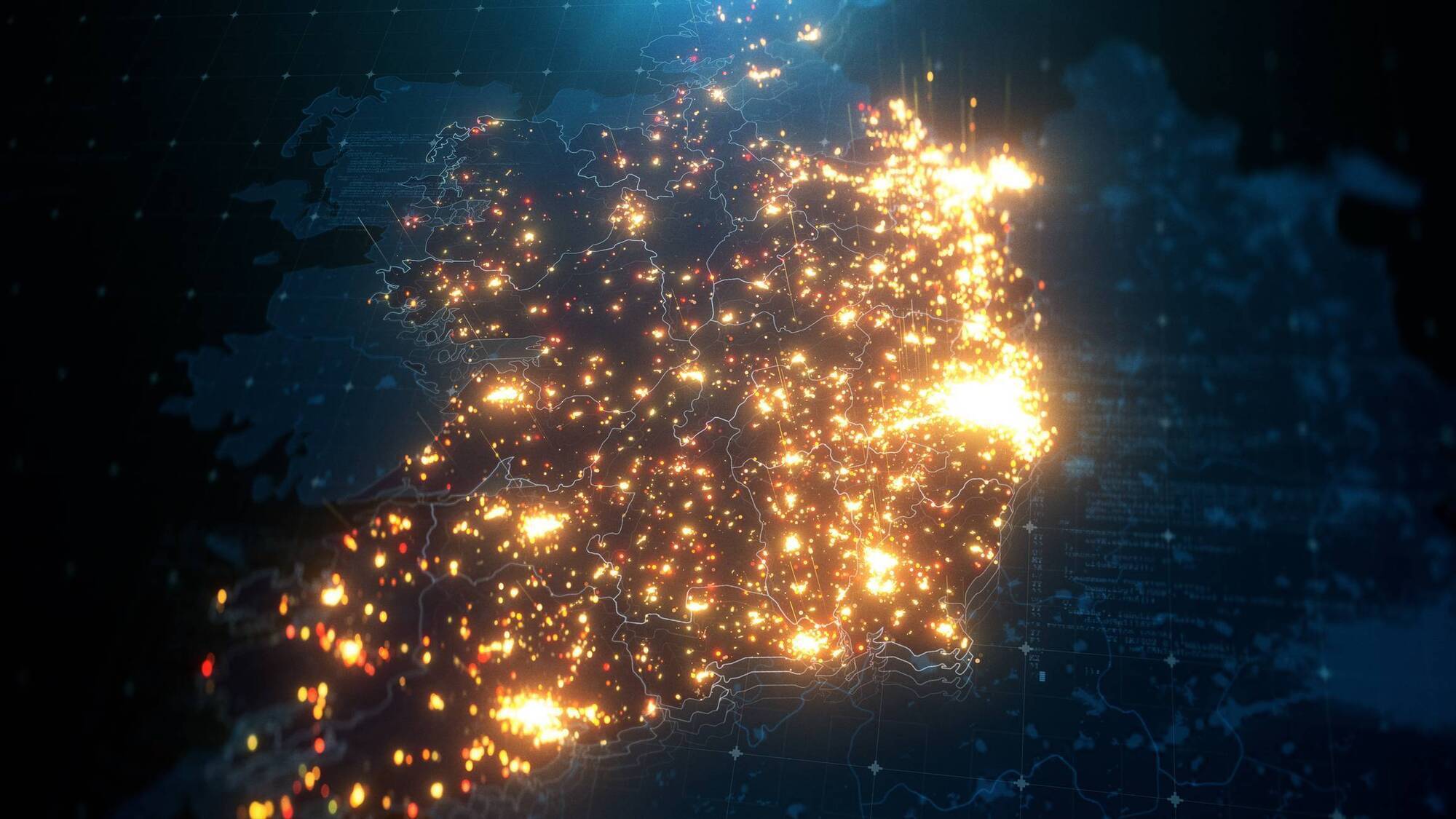
Artificial light which replicated the change from night to day in a fraction of a second, transformed our planet in a mere 100 years. Picture: iStock
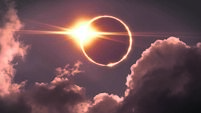
During April we celebrate International Dark Sky Week from 13th – 20th of the month. It is a reminder that for most of our existence we have lived and evolved on a planet in which the rhythms of night and day were almost exclusively controlled by the spin of the Earth on its axis. The seasonal variations in brightness, from the long dark winter months to the long bright summer days, provided a reliable anchor against which flowers grew and insects flourished, simultaneously providing the foundations for the behaviour of all other life. From one day to the next the changes in the duration of light and dark were imperceptible. Within a day, the changes from light to dark were moderated only by passing clouds and perhaps the odd eclipse here and there lasting but a few minutes.
For 4 billion years our planet’s rhythm was unquestionable. Each day as the Sun descended lower towards the horizon before disappearing in the evening, or rose higher in the mornings, the enveloping darkening or brightening was unhurried. Our eyes evolved to this slow pace of change. Over periods of perhaps 20 minutes our eyes could easily and naturally switch from seeing bright colours in daylight to seeing much fainter structures at night, in black-and-white. This perfect adaptation was a natural consequence of the planet we live on and it was highly tuned to keeping us safe from predators lurking in the enveloping darkness.
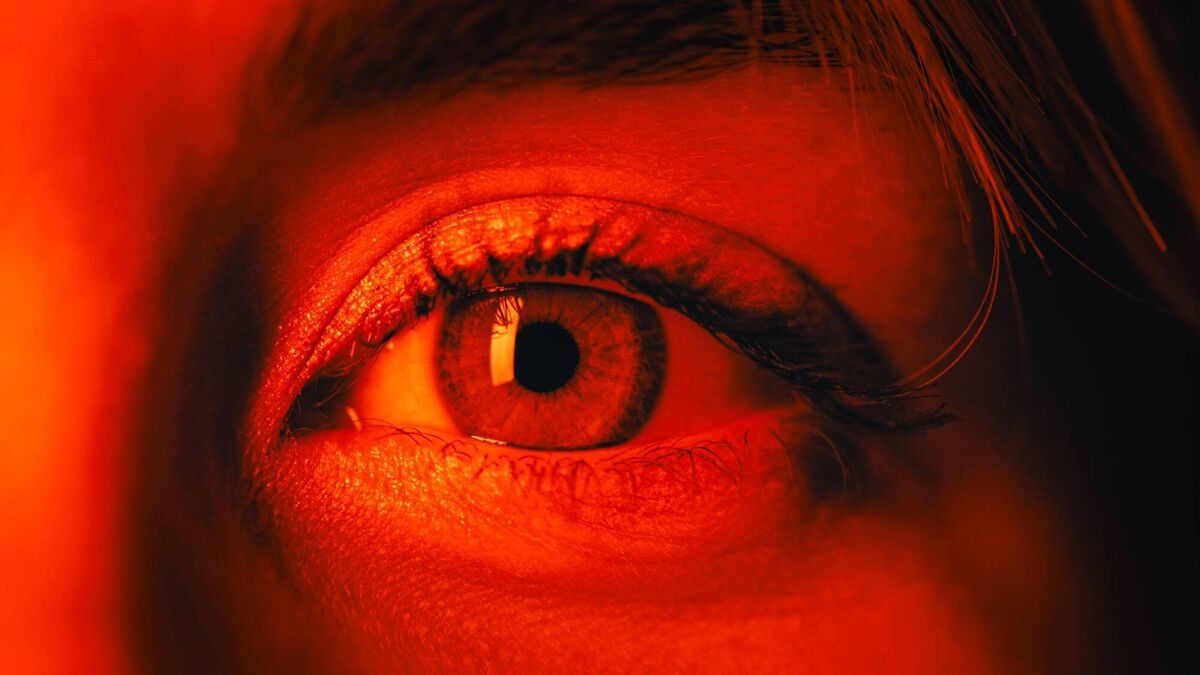
With the invention of artificial light, everything changed. Except that is, our eyes. Artificial light which replicated the gentle change from night to day in a fraction of a second, transformed our planet in a mere 100 years. Given biological evolution times for something as complex as the eye is measured in perhaps millions of years, the ability to literally turn nighttime into daytime in an instant was always going to be a problem.
Moving from brightly lit areas to fainter lit areas, a consequence of poor lighting design in many instances, challenges our eyes beyond breaking point. The consequence is that poorly lit areas appear dark, not because they are necessarily truly dark, but because our eyes cannot adapt to the change in brightness in seconds. They need the 20 minutes or so that was fit for purpose for millions of years. The common misconception that “brighter is better” misses the reality that the “contrast” between light and dark is often the real enemy of “being able to see in the dark”. Responsible and well planned lighting not only minimises the problem, it saves energy, it saves precious resources which are used to make the lights in the first instance, and it introduces a calmer landscape that was the de facto reality for well before humans arrived.
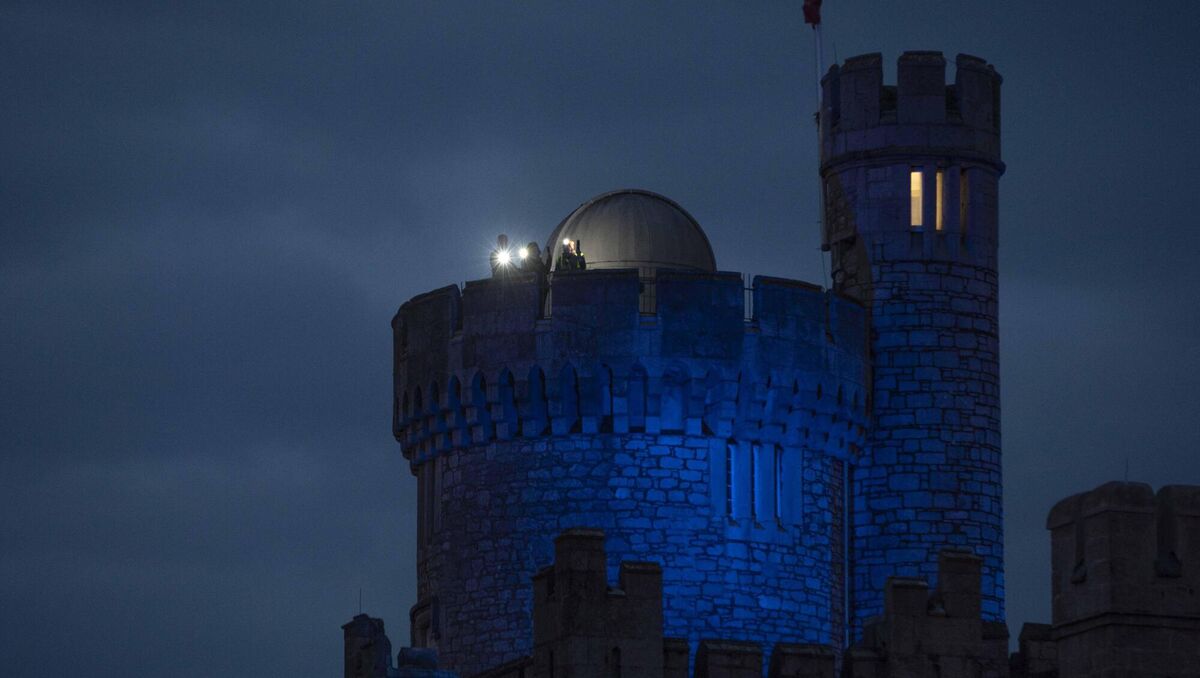
At Blackrock Castle Observatory and Dark Sky Ireland we are acutely aware of how artificial light at night is adversely affecting our planet in other ways too. It is not only human eyes which have not been able to evolve quickly enough to work with the changes to the illumination of our planet. Biodiversity loss is at an all time high, some of it driven by light-induced changes in the behaviour of insects and other animals which ultimately disrupt the established food chain and cause biodiversity collapse. At the same time, our own internal biological clocks, our so-called circadian rhythms, are stressed to the point where poor sleep quality adversely affects our mental and physical wellbeing.
And the sad fact is that despite a growing awareness of the issues around artificial lighting there is no sign that action is being taken on the scale at which it needs to occur. Even the skies above are festooned with artificial satellite trails. Everywhere we look we are reminded of our dominance over our (previously) exquisitely-balanced planet.
And dominance rarely ends well.

CONNECT WITH US TODAY



Be the first to know the latest news and updates